





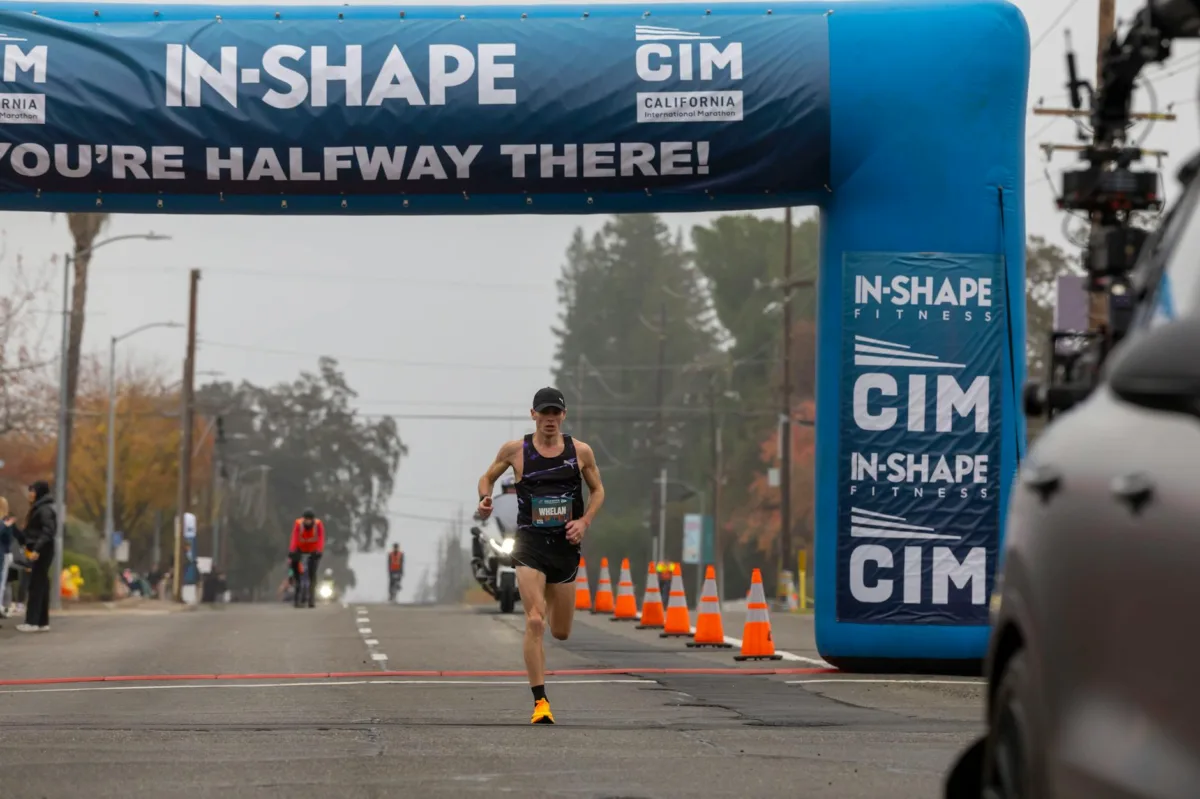
Kenyan long-distance runner Sabastian Sawe made history in London this Sunday, becoming the first athlete to complete a marathon in under two hours during official race conditions. The 31-year-old crossed the finish line at 1:59:48, shattering a barrier that was previously considered physiologically impossible for humans to achieve outside of controlled, non-competitive exhibitions.
The Evolution of Marathon Performance
For decades, the two-hour marathon was viewed as the ultimate frontier in human endurance. While Eliud Kipchoge famously ran 1:59:40 in Vienna in 2019, that event utilized rotating pacers and specialized timing, failing to meet the criteria for an official world record.
Sawe’s performance in London, however, occurred within the structure of a World Athletics label road race. This distinction places his time in the history books as the fastest marathon ever recorded under standard competitive rules.
Technological and Training Integration
Experts point to a combination of physiological optimization and advancements in footwear technology as the primary drivers of this record. Sawe’s training regimen utilized high-altitude camps in Iten, Kenya, paired with real-time biometric monitoring to manage recovery and lactate threshold.
The footwear industry has also played a pivotal role in these gains. Sawe wore the latest generation of carbon-plated super-shoes, which utilize high-rebound PEBA foams designed to maximize energy return with every stride. According to independent studies published in the *Journal of Sport and Health Science*, these advancements have improved running economy by an average of 4% over traditional racing flats.
The Fueling Factor
Modern marathon success is as much about digestion as it is about cardiovascular capacity. Sawe utilized a high-carbohydrate hydrogel fueling strategy, allowing him to ingest over 90 grams of carbohydrates per hour without the gastrointestinal distress that historically hampered elite runners.
Sports physiologist Dr. Elena Rossi noted that the ability to maintain such high speeds without glycogen depletion represents the new gold standard in endurance sports. “We are seeing the perfect intersection of human physiology and nutritional engineering,” Rossi stated.
Industry Implications and Future Outlook
For the running industry, Sawe’s milestone signals a shift in expectations for elite competition. Manufacturers are already pivoting toward even lighter, more reactive materials, while coaching staffs are increasingly integrating data analytics to refine stride mechanics.
Observers are now questioning if the sub-two-hour mark will become the new baseline for elite marathoners rather than the exception. As training methodologies continue to iterate, the focus will likely shift toward sub-1:59:00, with analysts predicting that the next decade could see consistent performances in the 1:58 range. The next major test for the elite field will arrive at the upcoming World Marathon Majors, where the pressure to replicate this performance will undoubtedly influence race tactics and pace-setting strategies.