




President Donald Trump’s approval ratings are experiencing a significant downturn as American consumers grapple with the persistent economic fallout from the ongoing conflict in Iran, which has driven up gas and grocery prices across the nation. This confluence of geopolitical uncertainty and domestic financial strain is pummeling household budgets and reshaping the political landscape in recent weeks, according to various polls and economic reports.
Context of Escalation
The current economic pressures stem directly from escalating tensions in the Middle East, particularly the prolonged military engagement in Iran. This conflict, which intensified over the past three months, has introduced significant instability into global oil markets. Key shipping lanes, crucial for crude oil transportation, have faced disruptions and increased security risks.
Prior to the recent escalation, the U.S. economy was experiencing steady growth, albeit with some inflationary pressures already noted by economists. The sudden and sustained shock to global energy supply chains has amplified these pre-existing conditions, creating a challenging environment for consumers and policymakers alike.
Economic Repercussions on Main Street
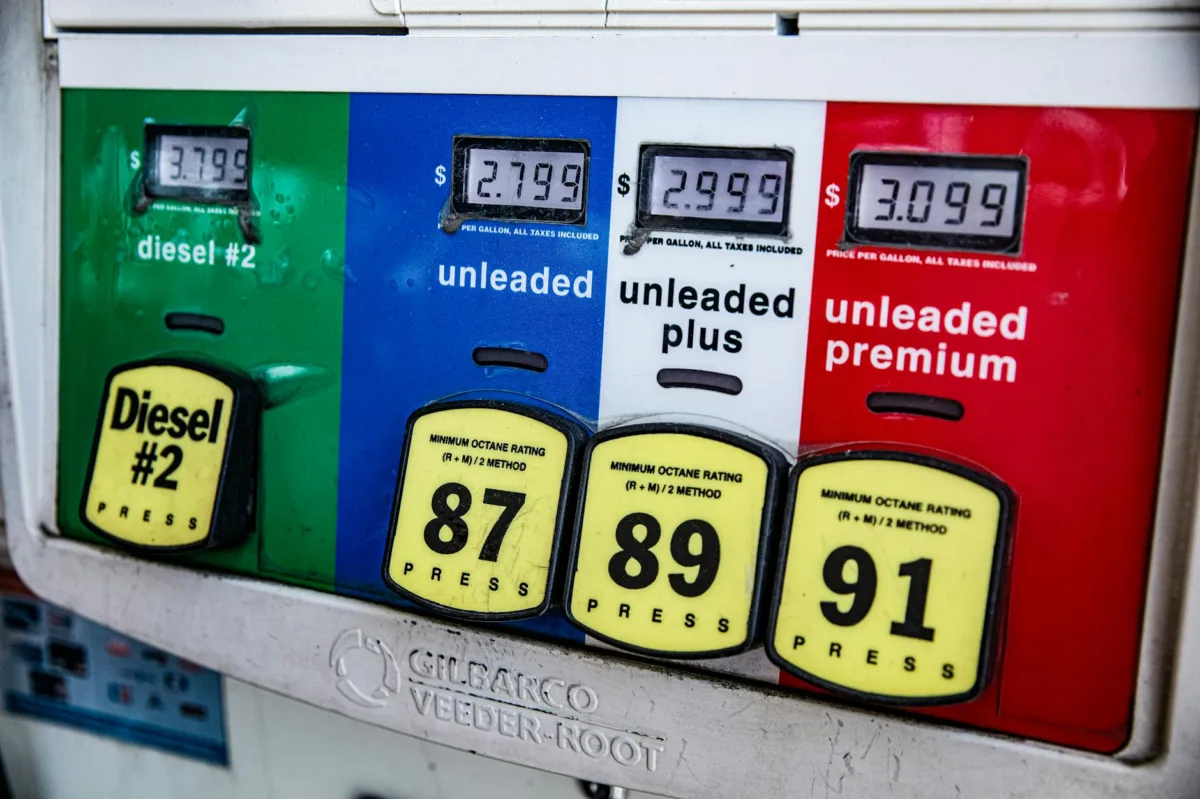
The most immediate and visible impact for many Americans has been the sharp increase at the gas pump. National average gas prices have surged by over 25% since the onset of the conflict, reaching levels not seen in over five years. This rise directly translates to higher transportation costs for businesses and individuals.
Beyond fuel, the ripple effect is evident in grocery stores. Supply chain disruptions, increased fuel surcharges for transportation, and higher energy costs for agricultural production have contributed to a noticeable uptick in food prices. Families are reporting tighter budgets and difficult choices at the checkout counter.