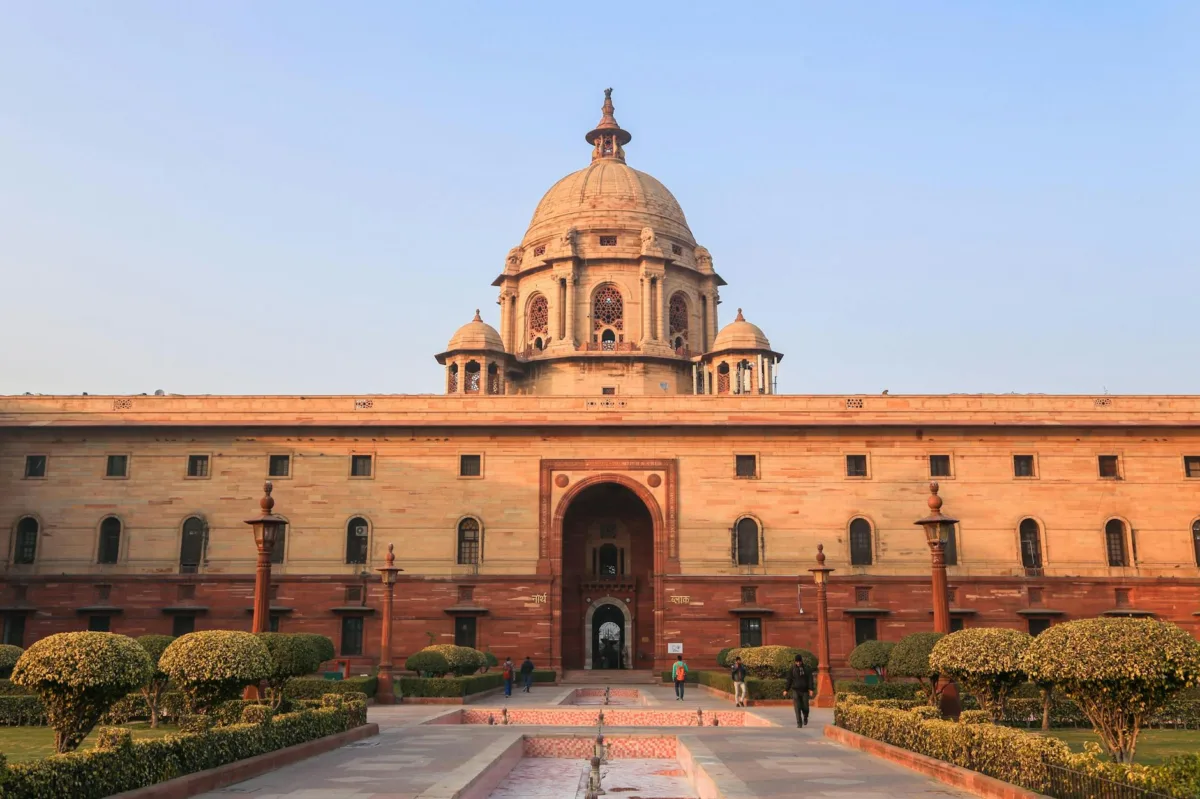




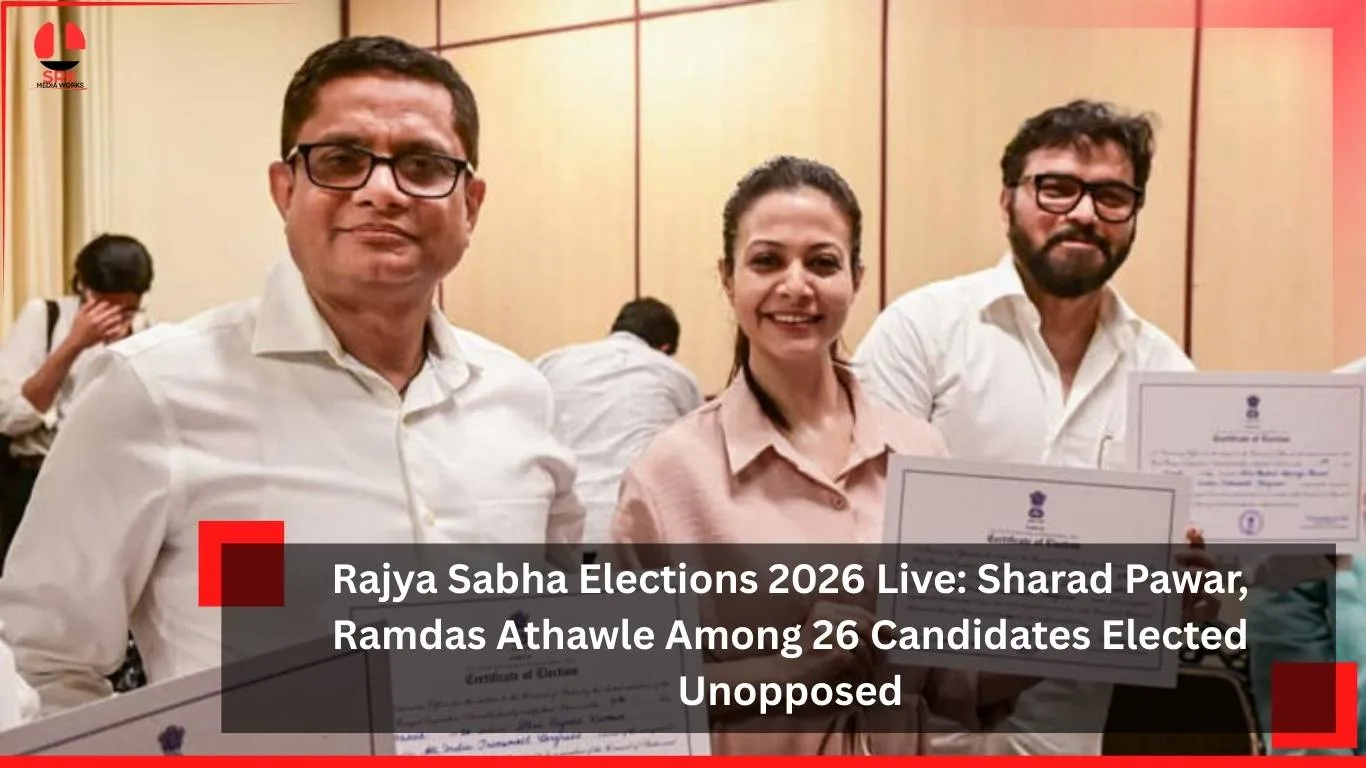
The Rajya Sabha elections of 2026 have once again highlighted the intricate balance of political power in India. In a significant development, 26 candidates, including veteran leaders Sharad Pawar and Ramdas Athawle, have been elected unopposed. This outcome underscores the deep negotiations, alliances, and consensus-building that characterize the upper house elections in India.
Understanding the Rajya Sabha Elections
The Rajya Sabha, or the Council of States, is the upper house of the Indian Parliament. Unlike the Lok Sabha, its members are not directly elected by the public. Instead, they are chosen by elected members of the State Legislative Assemblies through a system of proportional representation. This makes the Rajya Sabha elections a reflection of state-level political dynamics and coalition strategies.
In 2026, the unopposed election of 26 candidates demonstrates the ability of parties to avoid direct contests by arriving at pre-poll agreements. Such outcomes are not uncommon in Rajya Sabha elections, where consensus often prevents unnecessary electoral battles.
Key Leaders Elected Unopposed
Among the 26 leaders elected unopposed, two names stand out prominently:
- Sharad Pawar: The veteran leader and founder of the Nationalist Congress Party (NCP). His unopposed election reflects his enduring influence and the respect he commands across party lines.
- Ramdas Athawle: The Union Minister and leader of the Republican Party of India (Athawale). His re-election strengthens his position as a key ally in the ruling coalition.
Other candidates represent a mix of ruling party members, opposition leaders, and regional heavyweights, ensuring that the Rajya Sabha continues to be a diverse forum for debate and legislation.
Why Unopposed Elections Matter
Unopposed elections in the Rajya Sabha are significant for several reasons:
- Consensus Building: They reflect the ability of political parties to negotiate and avoid confrontations.
- Strategic Alliances: Parties often agree to support each other’s candidates to maintain balance in the house.
- Resource Management: Avoiding contests saves time, money, and political capital.
- Stability: It ensures smoother functioning of the Rajya Sabha, as members are elected without acrimony.
State-Wise Distribution of Elected Candidates
The following structured overview shows the distribution of the 26 unopposed winners across states:
| State/Region | Number of Candidates | Key Leaders Elected | Party Representation |
|---|---|---|---|
| Maharashtra | 4 | Sharad Pawar, Ramdas Athawle | NCP, RPI(A), Others |
| Uttar Pradesh | 5 | Senior BJP Leaders | BJP |
| Bihar | 3 | Regional Party Leaders | JD(U), RJD |
| Gujarat | 2 | BJP Leaders | BJP |
| Tamil Nadu | 3 | DMK Leaders | DMK |
| West Bengal | 2 | TMC Leaders | TMC |
| Rajasthan | 2 | Congress Leaders | INC |
| Other States | 5 | Mixed Representation | Various |
| Total | 26 |
This distribution highlights the balance between national parties like BJP and Congress, and regional forces like DMK, TMC, and NCP.
Political Implications
The unopposed election of these candidates has several implications for Indian politics:
- Strengthening Coalitions: Leaders like Athawle reinforce the ruling coalition’s numbers in the Rajya Sabha.
- Opposition Strategy: Sharad Pawar’s presence ensures that opposition voices remain strong and articulate.
- Regional Balance: The mix of leaders from different states ensures that regional issues continue to find representation at the national level.
- Legislative Agenda: With a smoother election process, the focus can shift to legislative priorities, including economic reforms, social justice measures, and foreign policy debates.
Historical Context
Unopposed elections are not new in the Rajya Sabha. Historically, many seats have been filled without contest due to political agreements. However, the number of unopposed candidates in 2026—26 in total—is noteworthy. It reflects a period of relative stability and cooperation among parties, even amid sharp differences in the Lok Sabha.
Future Outlook
The Rajya Sabha will play a crucial role in shaping India’s legislative future. With experienced leaders like Sharad Pawar and coalition allies like Ramdas Athawle, the house is expected to witness robust debates and negotiations. The presence of regional leaders ensures that the federal character of India remains strong.
Analytical Breakdown
To better understand the dynamics, let’s look at the party-wise representation among the 26 unopposed winners:
| Party/Alliance | Number of Candidates | Notable Names |
|---|---|---|
| Bharatiya Janata Party (BJP) | 9 | Senior BJP Leaders |
| Indian National Congress (INC) | 4 | Rajasthan, Other States |
| Nationalist Congress Party (NCP) | 2 | Sharad Pawar, Ally |
| Republican Party of India (Athawale) | 1 | Ramdas Athawle |
| Dravida Munnetra Kazhagam (DMK) | 3 | Tamil Nadu Leaders |
| Trinamool Congress (TMC) | 2 | West Bengal Leaders |
| Janata Dal (United) JD(U) | 2 | Bihar Leaders |
| Rashtriya Janata Dal (RJD) | 1 | Bihar Leader |
| Others/Independents | 2 | Regional Figures |
| Total | 26 |
This breakdown shows that while the BJP remains dominant, regional parties continue to hold significant sway.
Conclusion
The Rajya Sabha elections of 2026, with 26 candidates elected unopposed, mark a significant moment in Indian politics. Leaders like Sharad Pawar and Ramdas Athawle symbolize both continuity and coalition-building. The outcome reflects the complex interplay of national and regional forces, consensus politics, and the importance of the upper house in India’s parliamentary democracy.
Disclaimer
This article is intended for informational and analytical purposes only. While every effort has been made to ensure accuracy, readers are advised to verify details with official election commission updates and trusted news sources. The content does not project or predict election outcomes beyond officially certified results.