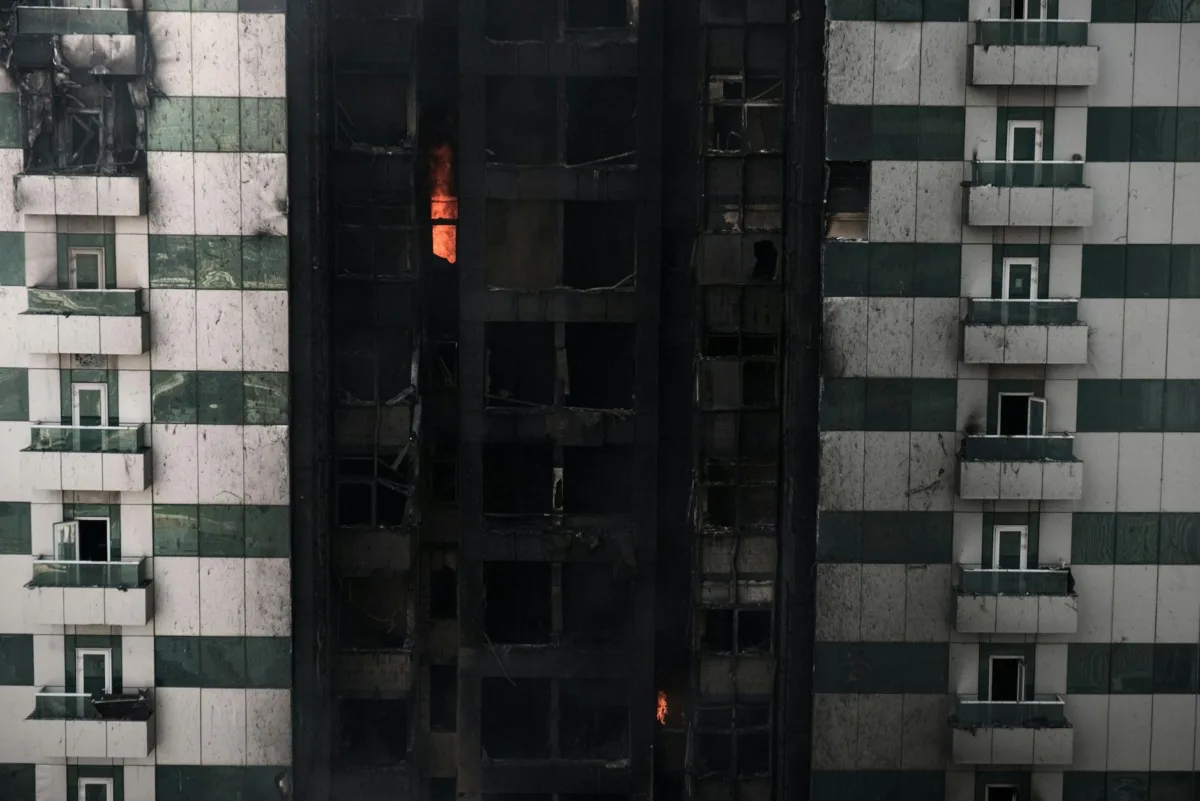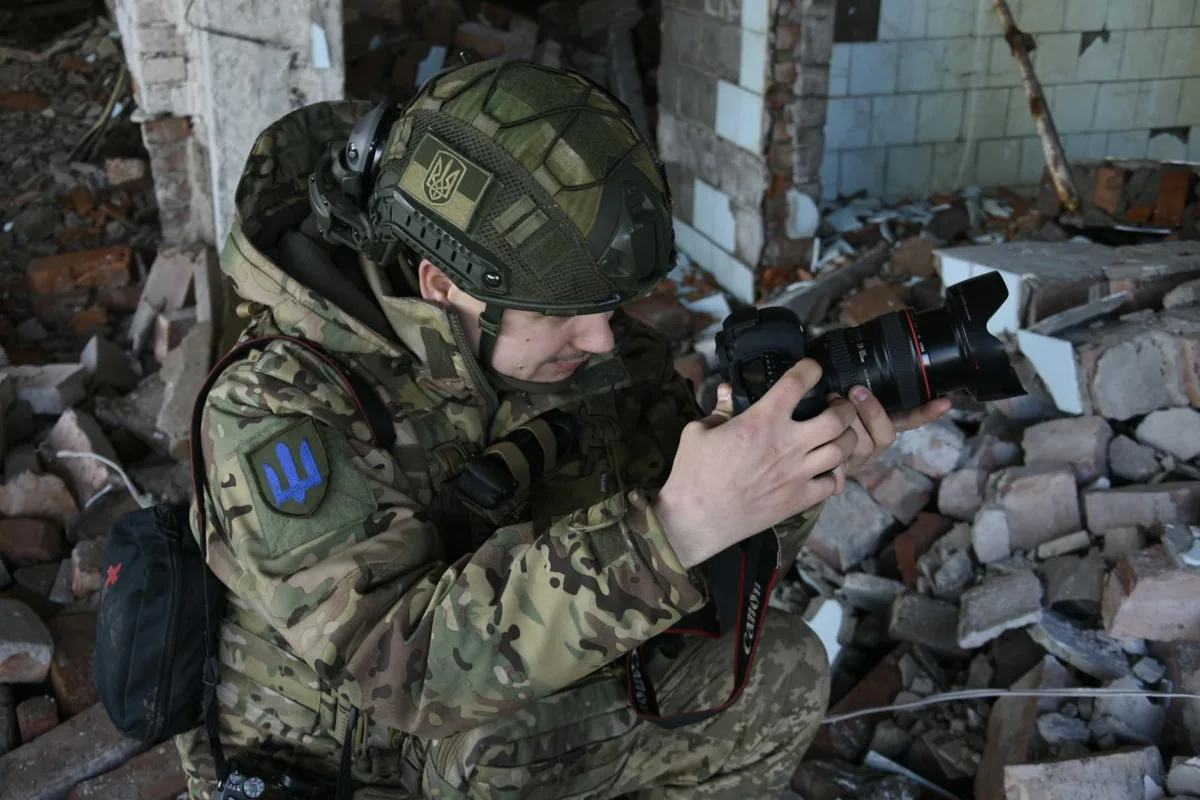



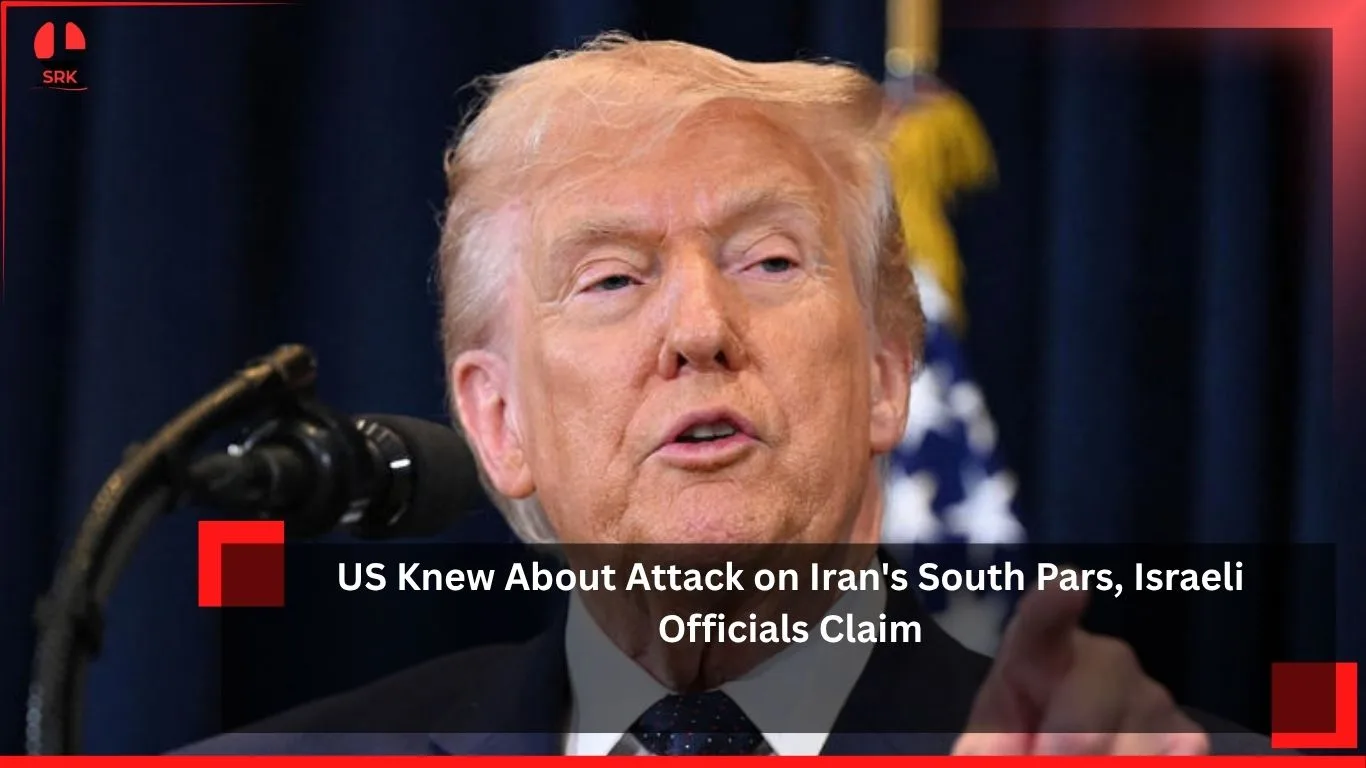
Reports emerging from Middle Eastern diplomatic circles suggest that the United States had prior knowledge of an attack on Iran’s South Pars gas field, one of the largest natural gas reserves in the world. According to Israeli officials, Washington was aware of the strike plans, raising questions about the extent of U.S. involvement and its implications for regional stability. This revelation has sparked intense debate across geopolitical and energy sectors, as the South Pars field is critical not only to Iran’s economy but also to global energy markets.
Background of the South Pars Gas Field
The South Pars gas field, located in the Persian Gulf, is shared between Iran and Qatar. It is the world’s largest natural gas field, accounting for a significant portion of Iran’s energy exports. Any disruption in its operations has far-reaching consequences for both regional economies and global energy supplies.
Allegations of U.S. Knowledge
Israeli officials claim that the United States was informed about the attack beforehand. While Washington has not confirmed these allegations, the suggestion of prior knowledge raises several critical questions:
- Was the U.S. complicit in the attack, or did it merely receive intelligence?
- Could this signal deeper coordination between Israel and the U.S. on Iran-related operations?
- What does this mean for ongoing negotiations over Iran’s nuclear program and sanctions relief?
Strategic Importance of South Pars
| Factor | Importance | Global Impact |
|---|---|---|
| Energy supply | Largest natural gas reserve | Influences global LNG prices |
| Iran’s economy | Major revenue source | Sanctions pressure increases |
| Regional politics | Shared with Qatar | Potential diplomatic fallout |
Multi-Front Crises for Iran
Iran is currently facing multiple challenges:
- Economic sanctions: Continued restrictions have weakened its economy.
- Domestic unrest: Protests over economic hardship and political repression.
- Regional tensions: Escalating confrontations with Israel and Gulf states.
- Energy vulnerability: Attacks on critical infrastructure undermine stability.
Comparative Analysis of Stakeholders
| Stakeholder | Position | Potential Gain | Potential Risk |
|---|---|---|---|
| United States | Alleged prior knowledge | Strategic leverage | Diplomatic backlash |
| Israel | Possible involvement | Weakening Iran | Escalation of conflict |
| Iran | Victim of attack | Sympathy from allies | Economic damage |
| Qatar | Shared field | Energy market stability | Spillover effects |
Implications for Global Energy Markets
The attack on South Pars could disrupt natural gas supplies, particularly liquefied natural gas (LNG) exports. This has implications for:
- Europe: Already seeking alternatives to Russian gas.
- Asia: Dependent on Gulf energy supplies.
- Global prices: Potential spikes in LNG costs.
Diplomatic Fallout
The allegations of U.S. knowledge may complicate diplomatic efforts:
- Iran-U.S. relations: Further mistrust in nuclear negotiations.
- Israel-U.S. ties: Reinforced strategic alignment.
- Regional diplomacy: Gulf states may reassess their positions.
Security Concerns
The attack highlights vulnerabilities in energy infrastructure. Iran may respond with:
- Retaliatory strikes against Israeli or U.S. interests.
- Cyberattacks targeting energy systems.
- Escalation in proxy conflicts across the Middle East.
Analytical Summary
The claim that the United States knew about the attack on Iran’s South Pars gas field underscores the complexity of Middle Eastern geopolitics. Whether Washington was complicit or merely informed, the incident raises serious questions about energy security, diplomatic trust, and regional stability. The fallout from this revelation could reshape alliances, fuel tensions, and impact global energy markets for months to come.
Disclaimer
This article is based on publicly available reports and analytical perspectives. It does not represent official statements from the United States, Israel, Iran, or other governments. The content is intended for informational purposes only and should not be construed as definitive or authoritative on sensitive geopolitical matters.