


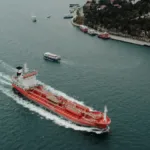



U.S. warships recently engaged and neutralized multiple missiles and drones targeting vessels under their escort through the strategically vital Strait of Hormuz, while authorities in the United Arab Emirates simultaneously attributed a separate drone attack to Iran, escalating fears of a renewed conflict in the volatile Gulf region.
Context of a Chokepoint
The Strait of Hormuz, a narrow waterway connecting the Persian Gulf with the Arabian Sea, is a critical global chokepoint through which approximately one-fifth of the world’s oil supply passes daily. This recent series of aggressive actions follows a long history of maritime incidents and geopolitical tensions between Iran, the United States, and its regional allies. The region has experienced periods of heightened instability, particularly concerning the safety of international shipping and energy infrastructure. Past incidents have included tanker attacks, drone incursions, and naval confrontations, often attributed to Iran or its proxies. The current climate is further complicated by ongoing conflicts and proxy wars across the Middle East, making any incident in this crucial waterway a potential trigger for broader escalation.
Escalating Maritime Incidents
The U.S. Navy’s Fifth Fleet confirmed the successful interception of several aerial threats, including both missiles and unmanned aerial vehicles (UAVs), by its guided-missile destroyers. These vessels were actively safeguarding commercial shipping transiting the Strait, a routine operation that has become increasingly fraught with danger. Military sources indicated that the incoming projectiles were launched from areas controlled by Iranian-backed groups, specifically mentioning Houthi rebels in Yemen, though direct attribution to Iran for command and control of these specific launches is still under investigation. The targets were reportedly commercial vessels under international flags, emphasizing the indiscriminate nature of the threat.
Concurrently, Emirati officials reported a drone attack on critical infrastructure within their territory, unequivocally pointing fingers at Tehran. This dual threat scenario underscores a concerning pattern of aggression, testing the resolve and defensive capabilities of international forces in the Gulf. The precise origin and intended targets of the intercepted threats remain subjects of intense scrutiny. Analysts suggest the attacks could be a show of force directed at the U.S. and its allies, a retaliatory measure for recent regional political developments, or an overt attempt to disrupt global oil markets.
The involvement of both missile and advanced drone technologies highlights a sophisticated and multi-faceted threat landscape that demands robust countermeasures. Shipping companies have expressed growing alarm over the safety of their crews and cargo, with several major operators reportedly rerouting vessels or increasing security measures. Insurance premiums for voyages through the Gulf have seen a sharp uptick, reflecting the increased risk assessment by the maritime industry. International shipping associations have called for immediate de-escalation and enhanced security protocols to protect the vital arteries of global commerce.
Expert Perspectives and Market Reactions
Dr. Sarah Khan, a senior analyst at the Gulf Security Institute, stated, ‘These incidents are not isolated; they are part of a calculated strategy to project power and test international boundaries. The Strait of Hormuz is Iran’s pressure point on the world, and they are not afraid to use it to achieve their geopolitical objectives.’ Data from Lloyd’s List Intelligence indicates a significant 15% increase in ‘high-risk’ declarations for voyages through the Strait over the past month, signaling heightened caution from insurers and shipping lines.
Energy market experts note a marginal but noticeable rise in crude oil futures following the reports, demonstrating the immediate sensitivity of global markets to Gulf stability. ‘Even minor disruptions or threats of disruption here can send ripples through the entire energy supply chain, impacting consumer prices globally,’ commented John Peterson, an independent oil market consultant. Diplomatic reactions have been swift, with the United States condemning the attacks and reaffirming its commitment to regional security. European Union officials have also urged restraint, while the United Nations Secretary-General called for an immediate de-escalation of tensions and emphasized the importance of upholding international law regarding freedom of navigation.
Forward-Looking Implications
The recent attacks in the Gulf pose significant implications for global energy security, regional stability, and international maritime law. Should such incidents persist or escalate, they could lead to substantial disruptions in oil and gas supplies, triggering price spikes and economic instability worldwide. The ongoing tensions demand a delicate balance of deterrence and diplomacy from global powers. Further military deployments or stricter enforcement of maritime security protocols might become necessary, potentially increasing the risk of miscalculation. The international community will be closely watching for any diplomatic overtures or, conversely, signs of further military posturing. The focus will remain on how regional actors and international partners navigate this precarious situation, aiming to prevent a full-blown conflict while ensuring the safety of vital shipping lanes. What comes next will define the immediate future of one of the world’s most critical geopolitical hotspots.