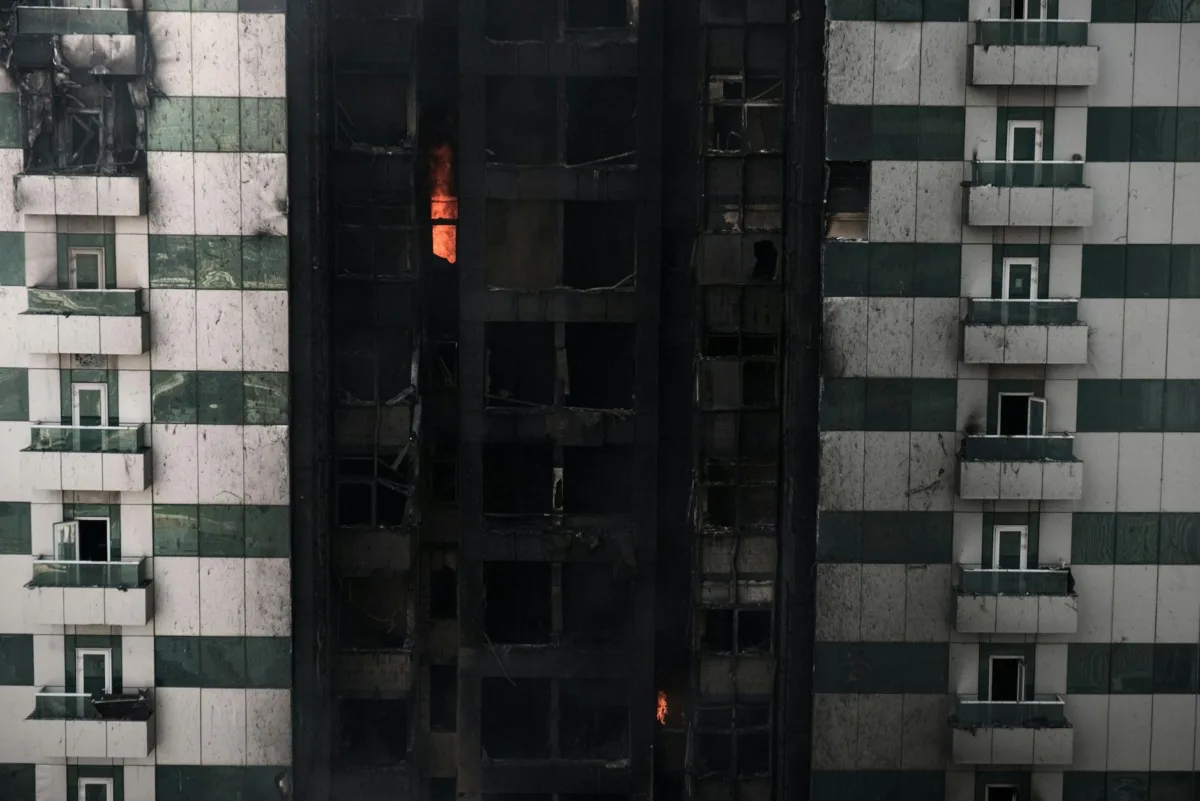




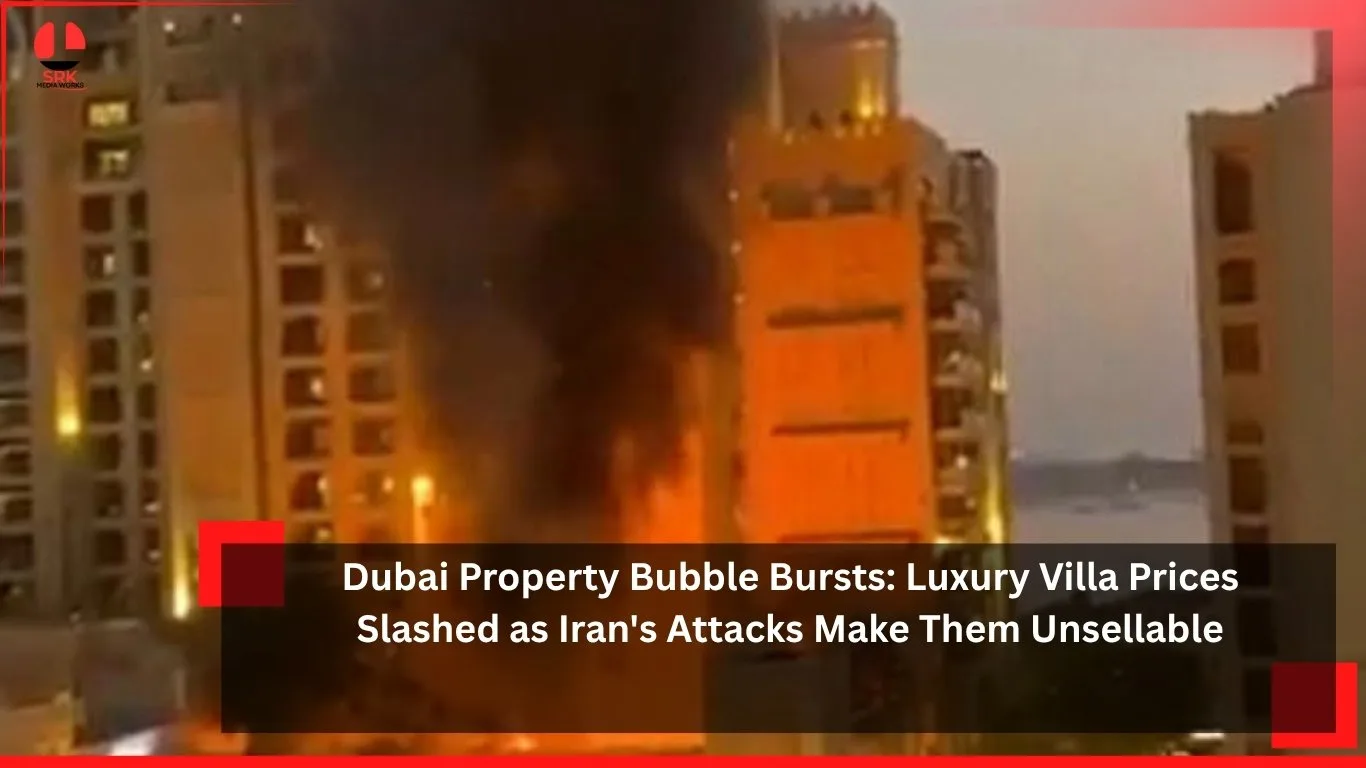
Dubai’s real estate market, long considered one of the most resilient in the world, is facing a dramatic downturn. Reports indicate that luxury villa prices have been slashed significantly, with many properties now deemed unsellable due to heightened geopolitical tensions and recent attacks attributed to Iran. This sudden shift has sent shockwaves through investors, developers, and homeowners who once viewed Dubai as a safe haven for property investment.
Background of Dubai’s Property Boom
Dubai’s property sector has historically thrived on foreign investment, tourism, and its reputation as a global business hub. Luxury villas, particularly in prime areas such as Palm Jumeirah, Emirates Hills, and Dubai Hills Estate, have attracted billionaires and celebrities. However, the recent geopolitical instability has disrupted this narrative, leading to fears of a property bubble collapse.
Impact of Iran’s Attacks
The alleged Iranian attacks in the region have created a climate of insecurity, directly affecting investor confidence. Buyers are hesitant to commit to high-value properties, fearing that instability could escalate further. As a result:
- Luxury villa prices have dropped sharply.
- Foreign investors are pulling back.
- Developers are struggling to offload premium properties.
Market Trends Analysis
| Property Type | Previous Price Range | Current Price Range | Change (%) |
|---|---|---|---|
| Luxury Villas | $5M – $20M | $3M – $12M | -40% |
| Mid-range Homes | $500K – $1.5M | $400K – $1M | -20% |
| Apartments | $200K – $800K | $180K – $700K | -10% |
Investor Sentiment
The downturn has shaken investor sentiment across the board. While some see this as a temporary dip, others fear a prolonged slump. The uncertainty surrounding regional security has made investors cautious, with many redirecting funds to safer markets in Europe and Asia.
Comparative Analysis of Global Property Markets
| City | Current Trend | Investor Confidence | Risk Factor |
|---|---|---|---|
| Dubai | Prices slashed | Low | High (geopolitical) |
| London | Stable | Moderate | Brexit aftershocks |
| Singapore | Rising | High | Low |
| New York | Fluctuating | Moderate | Economic cycles |
Developers’ Response
Developers in Dubai are attempting to mitigate losses by offering incentives such as:
- Flexible payment plans.
- Discounts on service charges.
- Luxury add-ons like free furnishings.
Despite these efforts, the luxury villa segment remains stagnant, with many properties sitting unsold for months.
Broader Economic Implications
The property slump has ripple effects across Dubai’s economy:
- Tourism: Decline in high-net-worth visitors.
- Retail: Reduced spending from wealthy residents.
- Banking: Increased risk of mortgage defaults.
- Construction: Slowdown in new projects.
Security Concerns and Investor Confidence
The link between regional security and property investment has never been clearer. Iran’s attacks have raised fears of instability spreading across the Gulf, undermining Dubai’s image as a secure investment destination. Investors are now demanding stronger assurances from the government regarding safety and stability.
Future Outlook
The future of Dubai’s property market hinges on several factors:
- Geopolitical stability: Resolution of tensions with Iran.
- Government intervention: Policies to restore investor confidence.
- Global economic trends: Demand for safe-haven investments.
- Market correction: Natural stabilization after speculative highs.
Analytical Summary
Dubai’s luxury property market, once a symbol of opulence and stability, is now facing its toughest challenge. The bursting of the property bubble, driven by geopolitical tensions and Iran’s attacks, has slashed villa prices and shaken investor confidence. While developers and policymakers are working to stabilize the market, the road ahead remains uncertain. The outcome will depend on regional security dynamics and Dubai’s ability to reassure global investors that it remains a safe and profitable destination.
Disclaimer
This article is based on publicly available reports and analytical perspectives. It does not represent official statements from Dubai authorities, developers, or governments. The content is intended for informational purposes only and should not be construed as definitive or authoritative on sensitive economic or geopolitical matters.