




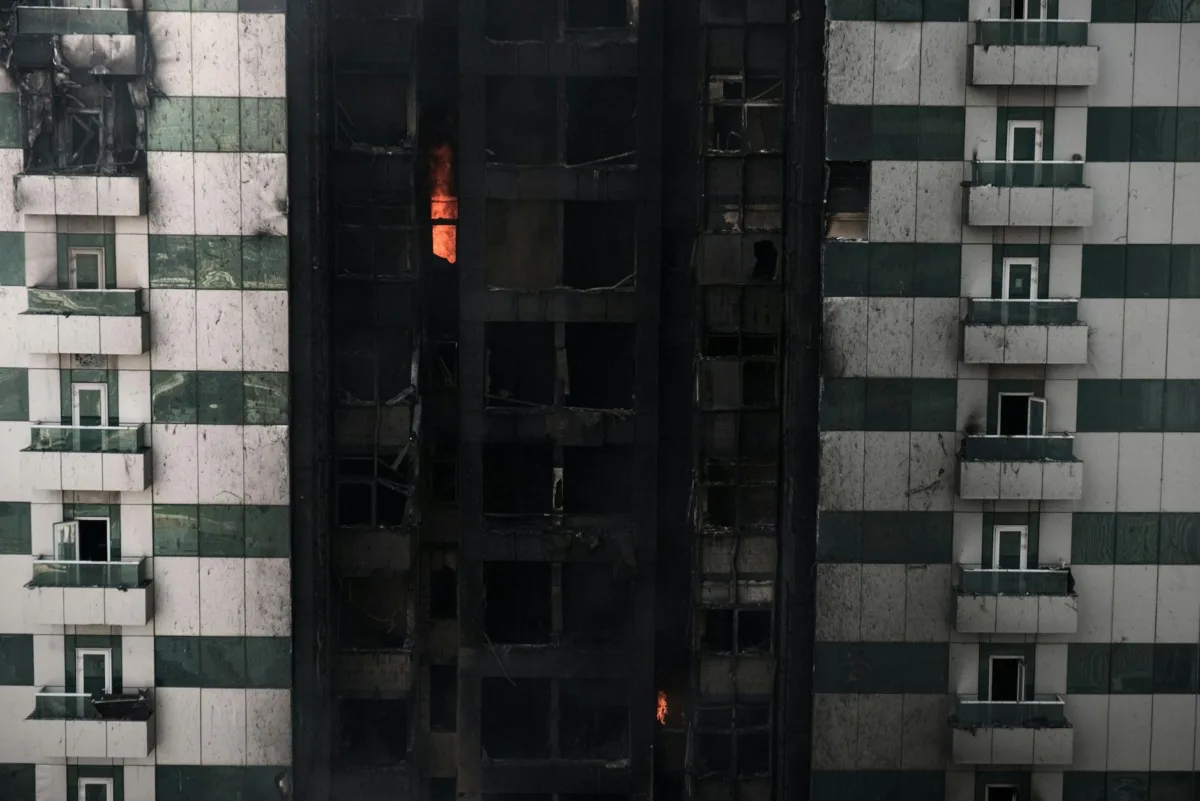
Last November, Lee Chun Ho tragically lost four members of his household, spanning three generations, in a devastating apartment-tower blaze in Hong Kong. He is now seeking justice, actively testifying before an investigative committee about alleged negligence and ignored safety protocols by contractors, aiming to uncover the truth behind the inferno that claimed his family.
Context of the Tragedy
The deadly fire, which occurred in a residential high-rise, sent shockwaves through the densely populated city, highlighting critical concerns about urban building safety. Hong Kong’s towering residential blocks are home to millions, and while strict building codes are ostensibly in place, incidents like this raise significant questions about enforcement and oversight. Initial reports from local fire services suggested a rapid spread due to potentially compromised fire barriers and flammable materials, intensifying scrutiny on construction and maintenance practices across the city’s vast housing stock.
Lee Chun Ho’s Pursuit of Accountability
Lee Chun Ho’s poignant testimony before the special investigative committee has painted a grim picture of systemic failures, revealing how alleged negligence may have turned a contained incident into a catastrophe. He recounted how post-renovation work, specifically mentioning ignored safety warnings and substandard materials, might have contributed to the fire’s rapid and fatal progression. His allegations focus on specific contractors involved in recent building upgrades, claiming critical fire safety features were either bypassed or improperly installed, creating a ‘domino effect’ that overwhelmed the building’s defenses.
The committee, tasked with a thorough inquiry, is meticulously examining structural integrity, the functionality of fire suppression systems, and the adherence to safety regulations during previous renovation projects within the building. Evidence presented includes photographic records and compelling witness statements supporting claims that fire doors were improperly sealed or propped open, ventilation shafts were left unprotected, and fire-resistant coatings in common areas were either absent or inadequately applied. This incident has reignited public debate over the responsibilities of building management, property developers, and government regulators in ensuring the safety of high-rise living, highlighting the devastating human cost when these responsibilities are shirked. Lee’s emotional account of his family’s final moments has resonated deeply, amplifying calls for accountability and reform.
Expert Perspectives and Data Insights
Building safety experts, like Dr. Emily Chan from the Hong Kong Institute of Architects, have weighed in, emphasizing the critical role of regular, independent fire safety audits and robust oversight. “Often, the gap lies between codified regulations and their practical implementation, especially in the complex ecosystem of urban construction,” Dr. Chan stated in a recent public forum. “Subcontracting chains can obscure accountability, making it exceptionally difficult to pinpoint responsibility when breaches occur, as the original contractor may outsource critical safety work to less qualified parties under economic pressure.”
Data from the Hong Kong Fire Services Department indicates a steady number of residential fires annually, but incidents with such high fatality counts are rarer, often pointing to specific, catastrophic failures rather than general causes. A recent government report on building safety identified a rising trend in minor safety violations across the city’s residential blocks, suggesting a potential erosion of vigilance and a ‘culture of complacency’ across the construction sector due to tight deadlines and budget constraints. Legal analysts anticipate that if contractor negligence is proven in this case, it could set a powerful precedent for stricter liability laws, significantly increased penalties for non-compliance, and potentially even corporate criminal charges for severe safety breaches.
Implications for Urban Safety
The outcome of Lee Chun Ho’s pursuit of justice carries profound implications for Hong Kong’s urban landscape. For residents, it underscores the vital importance of understanding their building’s fire safety measures and advocating for stringent maintenance. Property owners and management companies face increased pressure to ensure full compliance with fire codes and to conduct transparent, regular inspections. The construction industry, particularly contractors involved in renovation and maintenance, could see a significant tightening of regulatory oversight, potentially leading to more rigorous certification processes and harsher penalties for cutting corners. This tragedy serves as a stark reminder that urban density demands uncompromising safety standards, and any compromise can have devastating human costs.
As the investigative committee continues its hearings, all eyes will be on its final recommendations. These could range from overhauling building inspection protocols and increasing penalties for safety violations to establishing new accountability frameworks for contractors and building management. The push for smarter, more resilient building materials and advanced fire suppression technologies is also expected to gain momentum. Ultimately, this case could redefine the benchmarks for residential safety in Hong Kong, prompting a city-wide reassessment of how its towering homes protect their inhabitants from preventable tragedies.