



Violent Weather Strikes Meghalaya
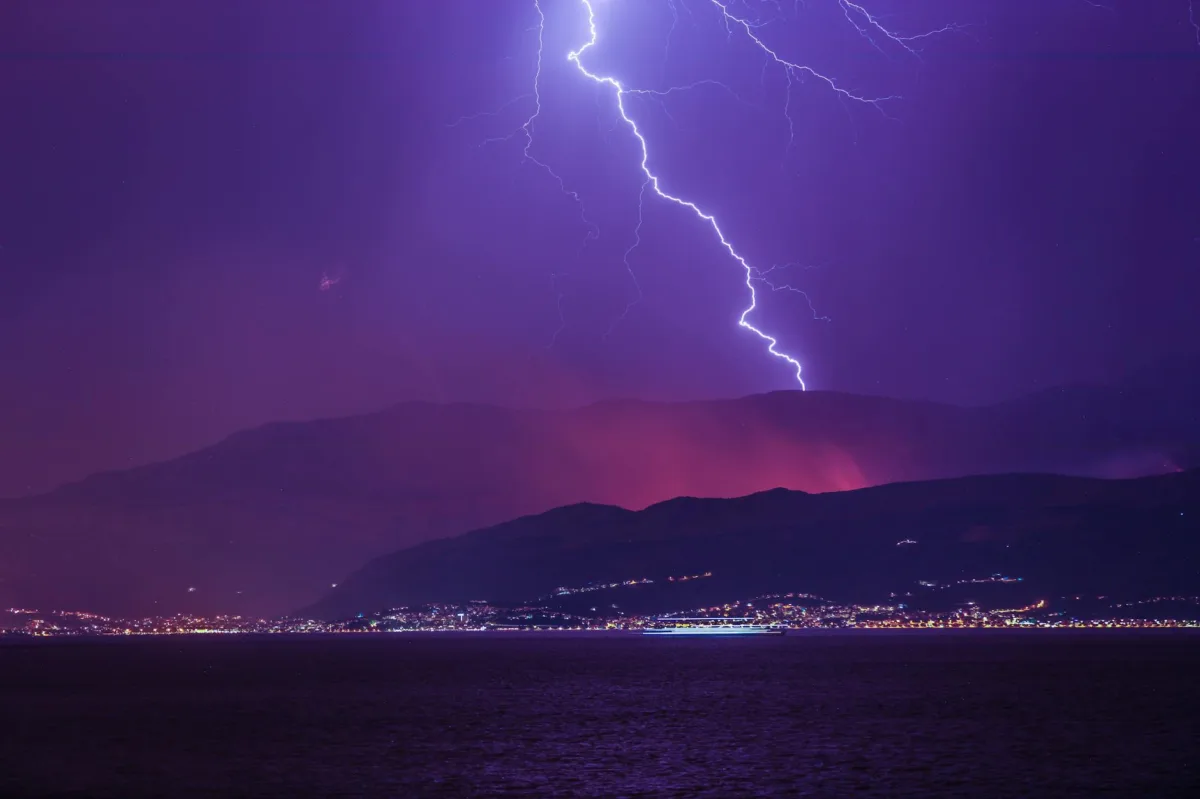
A series of intense thunderstorms, accompanied by heavy rainfall, localized hail, and high-velocity winds, struck Meghalaya and surrounding regions on Sunday afternoon, causing widespread disruption to critical power infrastructure. The sudden climatic shift paralyzed daily life in several districts, leaving thousands of residents without electricity as utility companies scrambled to address downed power lines and damaged transformers.
Understanding Regional Vulnerability
Meghalaya, known for receiving some of the highest rainfall in the world, frequently faces extreme weather challenges due to its unique topography. The state’s rugged terrain and dense forest cover make its power grid particularly susceptible to damage during cyclonic storms. Sunday’s event follows a pattern of increasing erratic weather events in Northeast India, which meteorologists often attribute to the complex interaction between localized heating and moisture-laden winds from the Bay of Bengal.
The Scope of the Disruption
The impact of the storm was felt most acutely in residential areas where falling trees snapped electrical poles, leading to a complete blackout in several neighborhoods. Local authorities have reported that the hail was significant enough to cause minor structural damage to residential roofing, further complicating the restoration efforts. Emergency response teams were dispatched immediately to clear debris from arterial roads and restore power to essential service providers, including hospitals and water treatment plants.
Expert Perspectives on Grid Resilience
Energy analysts note that the incident underscores a pressing need for grid modernization in mountainous regions. ‘The current infrastructure, while functional, struggles to withstand the increased frequency of extreme weather events,’ stated an independent energy consultant. According to the India Meteorological Department (IMD), such storms are becoming more frequent, necessitating a shift toward underground cabling and more robust, weather-resistant power distribution hardware to minimize future downtime.
Future Implications and Monitoring
For the residents of Meghalaya, the immediate aftermath involves assessing property damage and navigating intermittent service outages. Industry experts are now calling for a comprehensive audit of regional electrical distribution networks to identify high-risk zones. Moving forward, observers should monitor the state government’s budget allocations for climate-resilient infrastructure projects. The speed at which power is fully restored will likely serve as a benchmark for the efficacy of current disaster management protocols as the region prepares for the upcoming monsoon season.