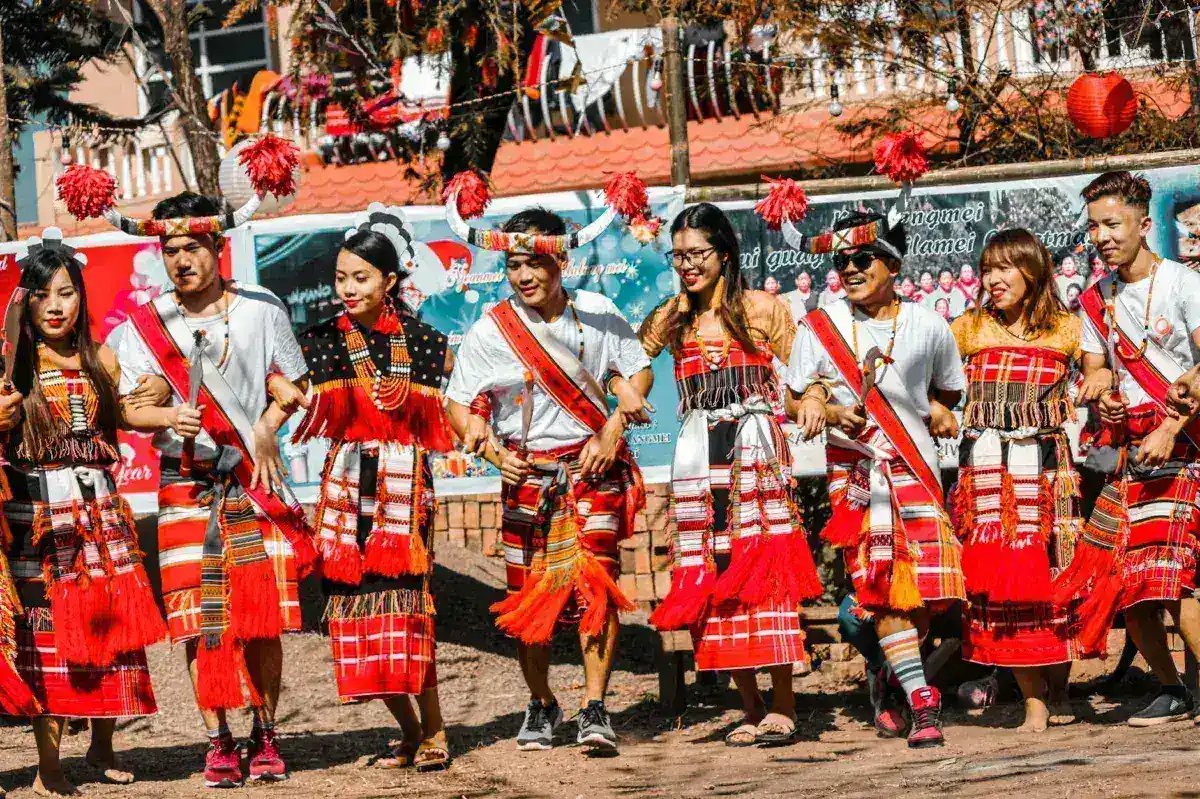



Northeast India is bracing for an influx of tourism as the region readies a diverse calendar of cultural festivals throughout the winter months. Across the states of Assam, Nagaland, and Meghalaya, local communities are finalizing preparations for traditional celebrations that highlight indigenous music, heritage, and communal gaiety, drawing travelers from across the globe to experience the unique cultural tapestry of the Seven Sisters.
A Cultural Awakening in the Winter Months
The winter season in Northeast India serves as a critical period for preserving and showcasing tribal heritage. Unlike the monsoon-heavy summer months, the crisp winter air provides the ideal climate for outdoor performances, night-long drumming sessions, and communal feasts that define these regional celebrations.
Historically, these festivals were rooted in agricultural cycles and rites of passage. Today, they have evolved into major tourism drivers that provide local artisans and performers a platform to reach international audiences while fostering regional unity.
Diverse Traditions and Regional Highlights
Each state in the Northeast offers a distinct flavor of celebration. In Nagaland, the Hornbill Festival stands as a flagship event, bringing together various Naga tribes to showcase their traditional weaponry, dance, and intricate weaving techniques.
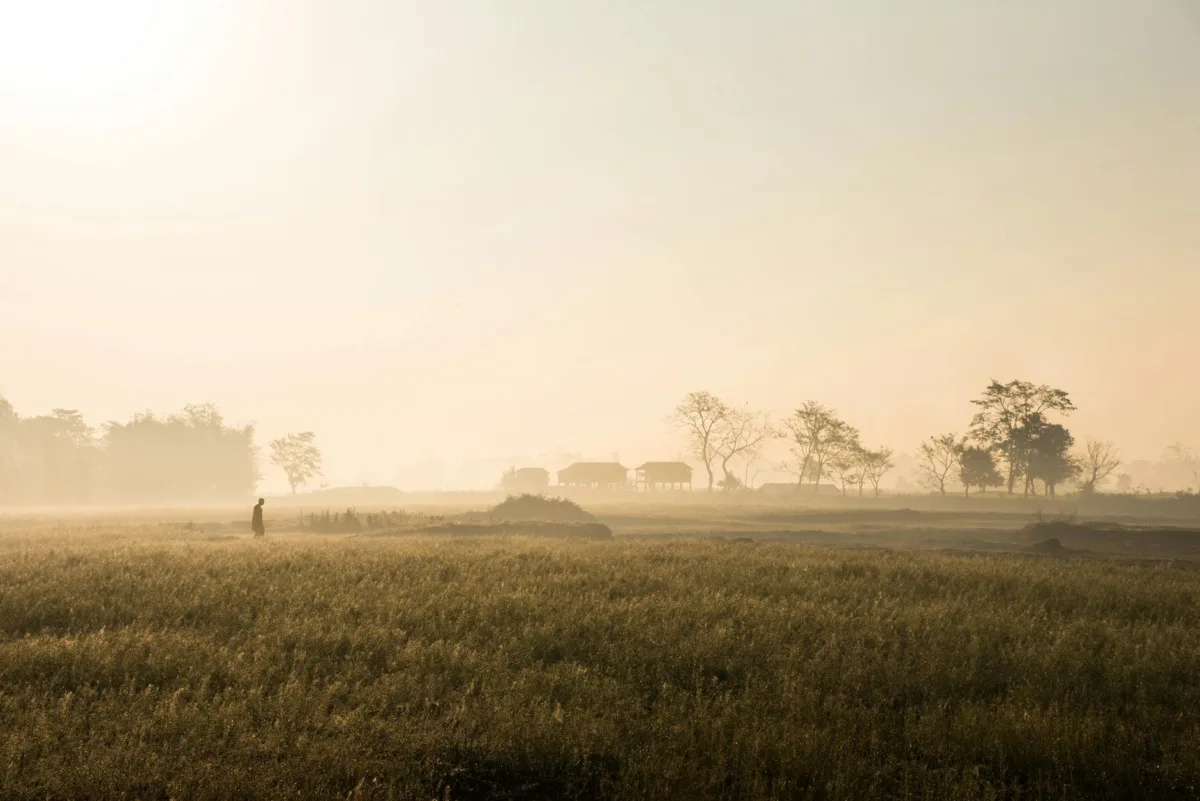
Meanwhile, the Brahmaputra Valley in Assam prepares for events centered around folk music and traditional arts. Experts note that these gatherings are more than just entertainment; they act as a vital economic engine for the region, supporting local hospitality and craft sectors during the peak travel window.
Economic and Social Impact
Data from the Ministry of Tourism suggests that cultural tourism in the Northeast has seen a steady uptick in interest over the last five years. The influx of visitors during winter months directly correlates with increased revenue for homestays, tour operators, and small-scale handicraft industries.
Sociologists point out that these festivals play a crucial role in intergenerational knowledge transfer. By participating in these elaborate rituals, younger generations engage with their ancestral roots, ensuring that specialized skills in instrument crafting and traditional choreography do not fade away.
The Future of Northeastern Tourism
As the region gains visibility on the global travel map, stakeholders are now shifting their focus toward sustainable tourism practices. The challenge lies in balancing the surge of visitors with the preservation of sensitive local ecosystems and the authenticity of the cultural experiences provided.
Observers should watch for increased investments in regional infrastructure, including better connectivity to remote festival sites, which will likely determine the scale of upcoming tourism seasons. As digital connectivity improves, the real-time sharing of these vibrant celebrations on social media is expected to further catalyze interest, making the winter festival circuit a permanent fixture in the Indian travel landscape.