




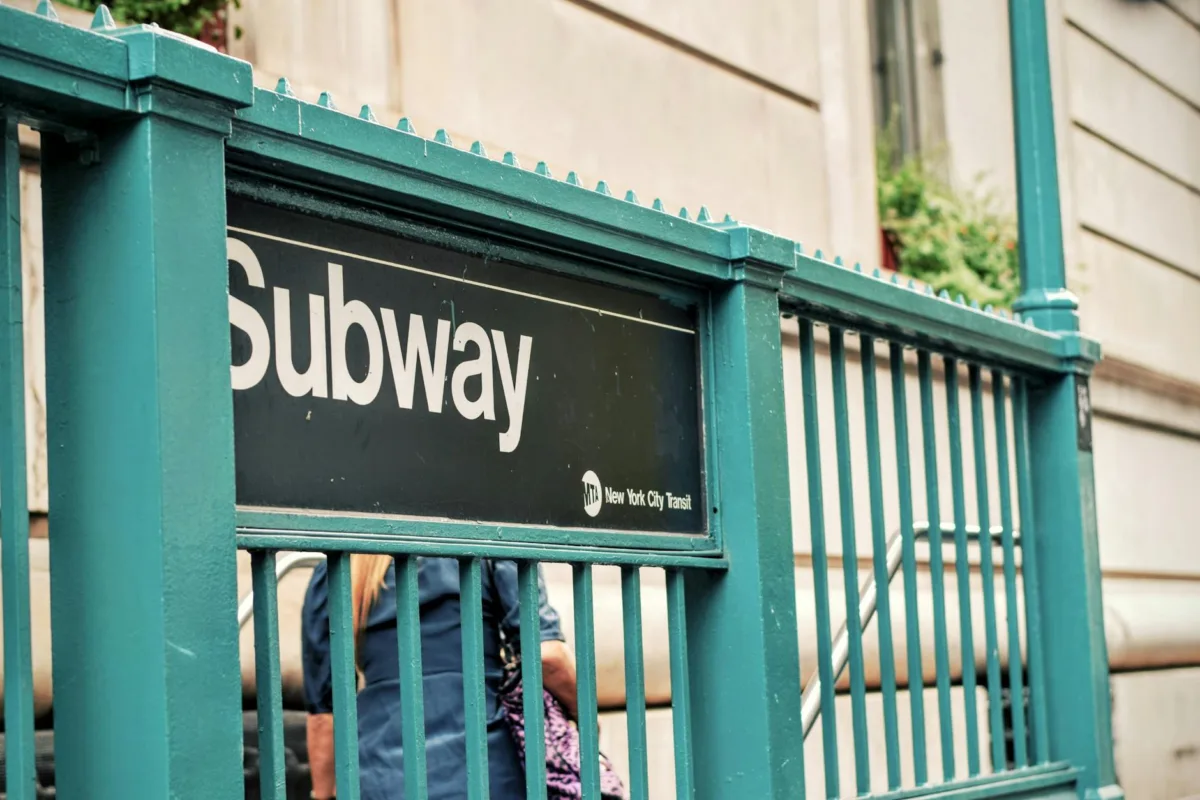
New York City Council Speaker Julie Menin today challenged Mayor Zohran Mamdani’s administration over the failing Fair Fares program, proposing a significant expansion to provide free bus and subway access to hundreds of thousands of low-income New Yorkers. During a Council hearing, Menin criticized the existing program’s low enrollment and bureaucratic hurdles, contrasting it with her plan to offer free transit for residents at or below 150 percent of the poverty level, directly testing Mamdani’s campaign pledge for universal free buses.
Understanding Fair Fares and the City’s Transit Challenge
Fair Fares offers half-price subway and bus fares to low-income residents, yet less than 40 percent of eligible New Yorkers currently participate. This leaves approximately half a million individuals paying full fare for rides they could receive at a discount. The program’s underutilization highlights a significant gap in transit equity, compounded by the city’s financial pressures and daily living costs for vulnerable residents.
Council Pushes for Transit Affordability Amidst Administrative Scrutiny
Speaker Menin called the current Fair Fares system “failing” and “broken,” blaming a cumbersome multi-step enrollment process. “There has to be a recognition that the system is broken,” Menin stated, also expressing disappointment over the Department of Social Services head’s absence from the hearing.
Rebecca Chew, a chief program officer from the Human Resources Administration (HRA), acknowledged efforts to streamline the process but admitted nearly half of the 380,000 annual enrollees fail to re-enroll. HRA officials offered no specific targets for improvement, prompting the Council to advocate for automatic enrollment.
Mayor Mamdani, who promised free buses, has not formally endorsed the Council’s expanded Fair Fares proposal. His spokesperson, Jeremy Edwards, stated the administration is “reviewing all Fair Fares proposals,” recognizing the program “does not reach enough” people. Mamdani faces a political dilemma: his universal free-bus plan is unlikely this year, yet he appears hesitant to fully support a “half-loaf solution” benefiting hundreds of thousands.
Navigating Other Fiscal and Policy Battlegrounds
The city is also exploring minor revenue streams, proposing to raise City Hall wedding fees from $25 to $55 and marriage license fees from $25 to $60. These fees, unchanged since the early 1990s, no longer cover the $126 administrative cost per ceremony. State Senator John Liu introduced the bill, aiming to reduce the city’s loss rather than significantly impact the budget, though Assembly Judiciary Committee Chair Charles Lavine anticipates criticism before the June 4 legislative session ends.
Concurrently, the Mamdani administration is auditing NYPD contracts with Vigilant Solutions, a surveillance company linked to federal immigration authorities. This is part of a broader review across six city agencies to strengthen sanctuary laws, prohibiting city resources from aiding federal civil immigration enforcement. Mayoral spokesperson Sam Raskin confirmed the administration’s engagement, with the NYPD’s final audit submission expected this week.
State lawmakers remain committed to stronger sanctuary protections despite White House border czar Tom Homan’s threats of an ICE surge. State Senator Pat Fahy declared she would “double down” on efforts to limit ICE coordination with local police and restrict civil deportation warrants in sensitive locations like schools.
Public Subsidies and Political Stances
Protests erupted this week over public subsidies for large development projects. Activists from New York Communities for Change interrupted an interview with Jeff Blau of Related Companies, decrying a tentative $2 billion public subsidy for Hudson Yards as a “boondoggle.” Mayor Mamdani’s administration has distanced itself, with spokesperson Matt Rauschenbach stating they are “not actively engaged in negotiations to move this project forward at this time.” Blau, however, remains optimistic about developing new office space and thousands of apartments, including affordable units.
On the gubernatorial campaign trail, Republican candidate Bruce Blakeman avoided directly stating his belief in climate change. Blakeman claimed he was “not a scientist or an engineer” and argued that New York’s “miniscule” carbon footprint means “drastic measures” to reduce it would have no “material effect” globally. These remarks come as Governor Kathy Hochul and state Democrats struggle with ambitious green policies, potentially weakening near-term emission reduction deadlines.
Forward Outlook: What to Watch Next
The coming weeks are pivotal for several New York policy areas. The Mamdani administration’s Fair Fares review and the Council’s push for automatic enrollment could redefine transit accessibility. The state Legislature will address wedding fee increases and contentious sanctuary bills before its June 4 session deadline. Outcomes from the NYPD audit into surveillance technology contracts will clarify the city’s commitment to sanctuary policies. Additionally, the fate of the Hudson Yards subsidy deal and ongoing climate change debates will continue to shape New York’s economic and environmental future.