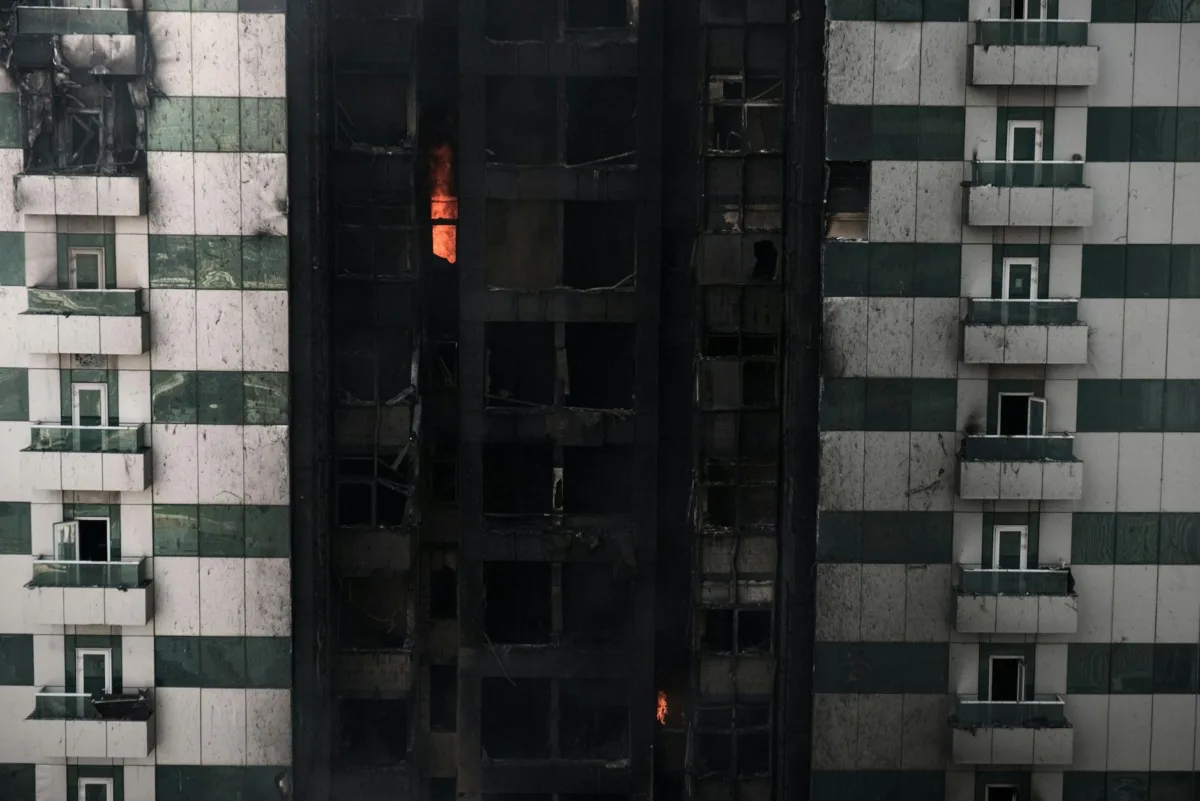





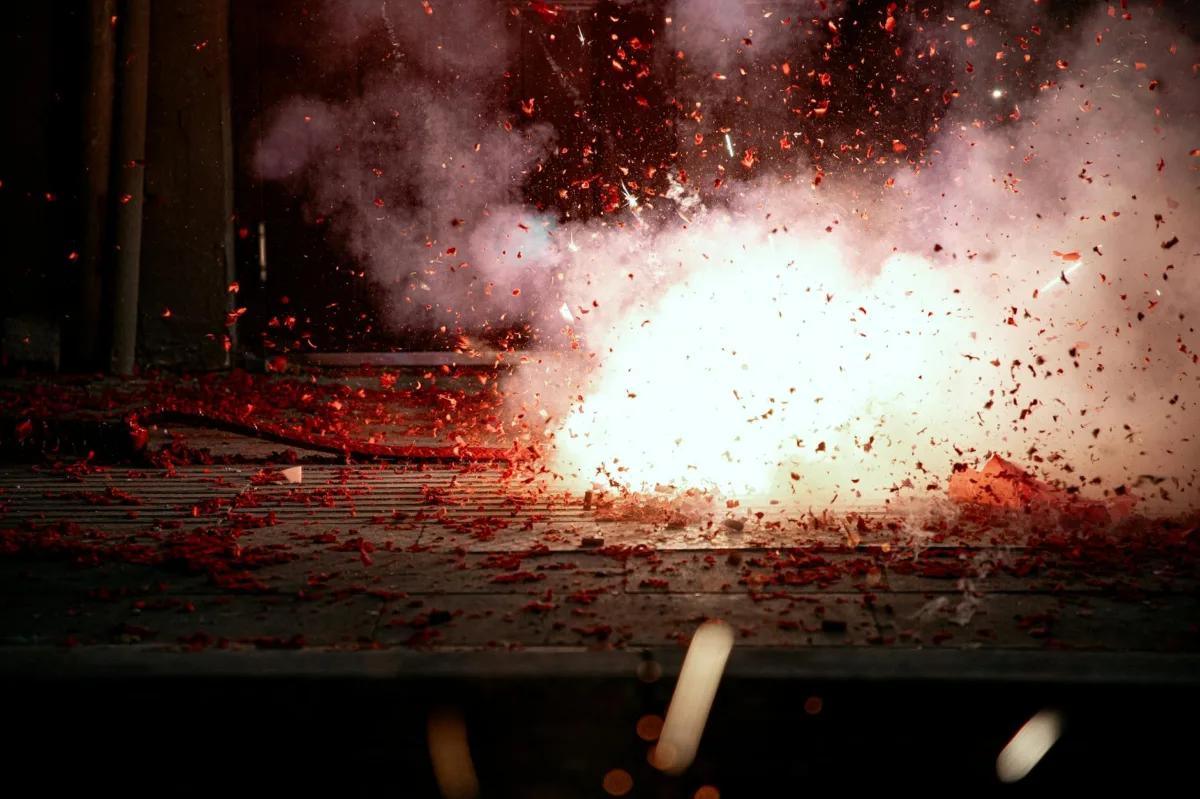
An explosion at a fireworks factory in China’s Hunan province earlier this week tragically killed 26 people and injured 61, according to state media reports, reigniting urgent concerns over industrial safety standards in the nation’s hazardous manufacturing sectors. The incident, which occurred on Tuesday, has prompted immediate rescue operations and a comprehensive investigation into its cause and adherence to safety protocols.
Context of China’s Fireworks Industry
Hunan province is a significant hub for China’s vast fireworks industry, which is the world’s largest producer and exporter of pyrotechnics. This industry, while economically vital, has a long history of safety challenges due to the volatile nature of its products. Factories, particularly smaller operations, often face immense pressure to meet production quotas, sometimes at the expense of stringent safety measures.
China has implemented various crackdowns and enhanced regulations on industrial safety over the past two decades. These efforts typically follow major accidents, aiming to improve oversight and prevent future tragedies. However, enforcement remains a persistent challenge, especially in remote or less-regulated areas where smaller facilities operate.
Details of the Disaster and Response
The blast ripped through the factory premises, causing widespread destruction and significant casualties. Emergency services, including fire brigades and medical teams, were dispatched immediately to the site to manage the crisis. Rescue workers faced a challenging environment, sifting through extensive debris to locate survivors and recover victims.
Local authorities have confirmed that all injured individuals are receiving medical treatment, with several in critical condition. The provincial government has launched a high-level investigation team to ascertain the exact cause of the explosion. This probe will examine everything from operational procedures to safety equipment maintenance and regulatory compliance.
Persistent Safety Challenges and Oversight
This incident underscores the ongoing battle against industrial accidents in China, particularly in high-risk sectors like mining, chemical production, and fireworks manufacturing. Despite government initiatives to improve workplace safety, such as the “Safety Production Law,” fatal accidents continue to occur with concerning regularity. Official data indicates that while the overall number of industrial accidents has decreased in recent years, serious incidents with high death tolls still pose a significant threat.
Safety analysts often point to a combination of factors contributing to these disasters. These include inadequate training for workers handling explosive materials, insufficient investment in modern safety infrastructure, and gaps in regulatory oversight. The sheer scale of China’s industrial base also presents an enormous challenge for comprehensive and consistent enforcement across all enterprises.
Industry watchdog groups have consistently highlighted the need for more transparent reporting and stricter accountability for factory owners and local officials. They argue that punitive measures must be strong enough to deter non-compliance with safety standards. The economic imperative to produce at low costs often clashes with the necessity for robust safety investments, creating a complex dilemma for policymakers.
Implications and What to Watch Next
The deadly explosion in Hunan is expected to trigger another round of intensified safety inspections across China’s fireworks industry. Authorities will likely implement stricter controls, potentially leading to the temporary closure of non-compliant factories. This could impact the global supply chain for fireworks, especially as major festive seasons approach.
For the affected communities in Hunan, the immediate future involves recovery and support for the victims’ families. Compensation mechanisms will be crucial, alongside psychological support for those traumatized by the event. The incident also puts renewed pressure on local governments to balance economic development with the paramount importance of worker safety.
Observers will be closely watching the outcome of the official investigation, particularly regarding accountability. Any findings of negligence or regulatory lapses could lead to severe penalties for individuals and companies involved. Furthermore, the incident serves as a stark reminder of the continuous need for vigilance and reform in hazardous industries across China and globally, pushing for a future where economic output does not come at the cost of human lives.