


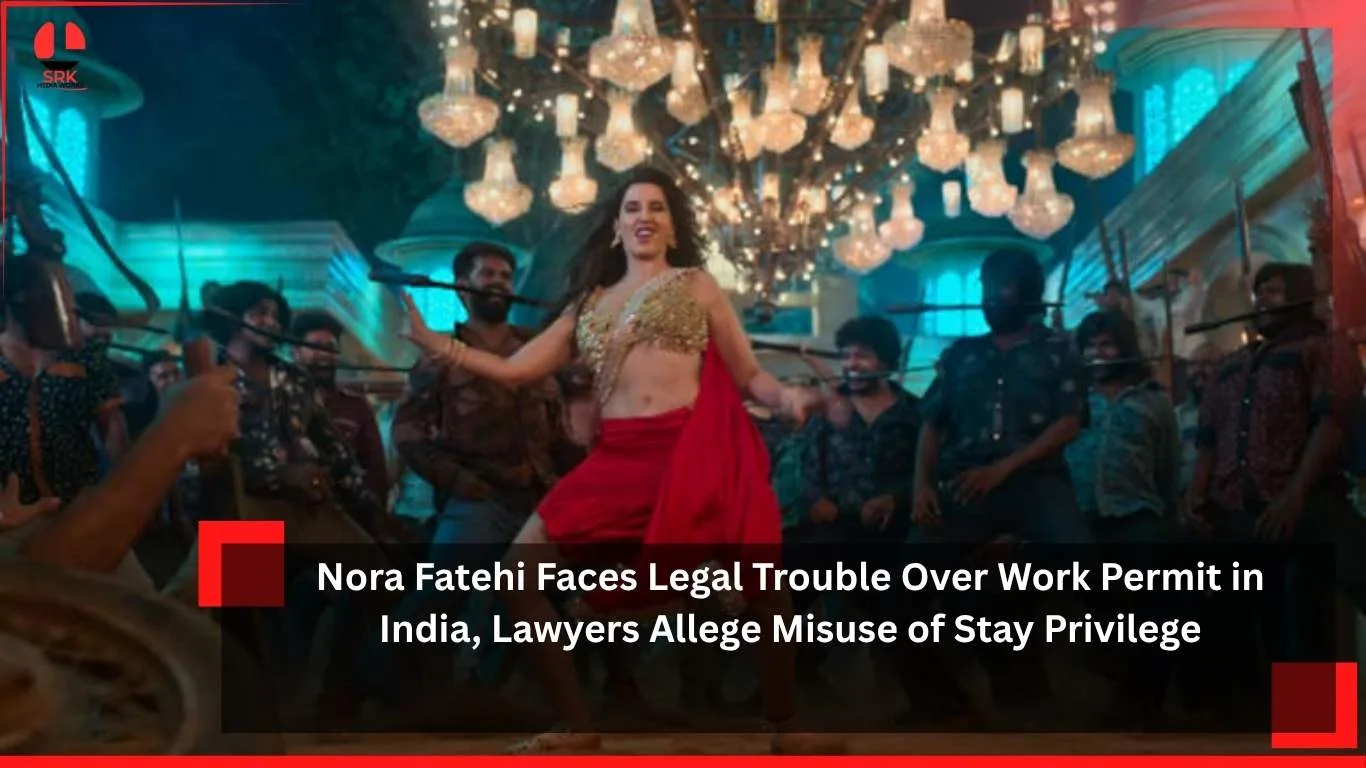
Bollywood’s popular dancer and actress Nora Fatehi has found herself at the center of a legal storm as lawyers have reportedly written to the Ministry of Home Affairs (MHA) raising concerns about her work permit and alleged misuse of stay privileges in India. The development has sparked widespread debate in entertainment and legal circles, highlighting the complexities of foreign artists working in India’s booming film industry.
Background of the Controversy
Nora Fatehi, originally from Canada with Moroccan roots, has become a household name in India through her dance performances and acting roles. However, her legal status in the country has now come under scrutiny. Lawyers have alleged that she may have misused the privileges granted under her work permit, raising questions about compliance with immigration and labor laws.
The complaint reportedly emphasizes that while India welcomes foreign talent, strict adherence to visa and work permit conditions is mandatory. Any violation could lead to penalties, cancellation of permits, or even deportation.
Legal Dimensions of the Case
The concerns raised against Nora Fatehi revolve around:
- Work permit compliance: Whether her activities strictly align with the conditions of her permit.
- Stay privilege misuse: Allegations that she may have extended her stay or engaged in activities beyond the scope of her visa.
- Industry practices: Broader questions about how foreign artists are managed in Bollywood.
Impact on Bollywood
Nora Fatehi’s case has triggered discussions about the role of foreign performers in Indian cinema. Bollywood has long embraced international talent, but controversies like this highlight the need for clearer regulations and enforcement.
| Aspect | Impact on Industry | Possible Outcome |
|---|---|---|
| Legal scrutiny | Increased monitoring of foreign artists | Stricter visa checks |
| Public perception | Mixed reactions from fans | Debate on fairness |
| Industry practices | Calls for transparency | Revised guidelines |
Comparative Analysis of Foreign Artists in Bollywood
| Artist | Origin | Legal Challenges Faced | Current Status |
|---|---|---|---|
| Katrina Kaif | UK | Early visa issues | Established star |
| Elli AvrRam | Sweden | Minor permit queries | Active in films |
| Nora Fatehi | Canada/Morocco | Current legal trouble | Under scrutiny |
Public Reaction
Fans of Nora Fatehi have expressed concern and support, emphasizing her contribution to Indian cinema. Social media platforms are flooded with debates, with some defending her as a hardworking artist while others argue that rules must be applied equally to all.
Broader Implications
The controversy raises important questions:
- Immigration policy: Should India tighten rules for foreign entertainers?
- Industry responsibility: Are production houses ensuring compliance for foreign talent?
- Legal precedent: Could this case set an example for future enforcement?
Possible Outcomes
- Legal clearance: If investigations find no wrongdoing, Nora Fatehi may continue her career without interruption.
- Penalties: If violations are proven, fines or restrictions could be imposed.
- Permit cancellation: In extreme cases, her work permit could be revoked.
Entertainment Industry’s Response
Producers and directors have voiced concern that stricter enforcement could discourage foreign talent. However, many agree that compliance is essential to maintain credibility and fairness in the industry.
Analytical Summary
Nora Fatehi’s legal troubles over her work permit highlight the delicate balance between welcoming foreign talent and enforcing immigration laws. While she remains a celebrated figure in Bollywood, the allegations have cast a shadow over her career. The outcome of this case will not only affect her personally but could also reshape how India manages foreign artists in its entertainment sector.
Disclaimer
This article is based on publicly available reports and analytical perspectives. It does not represent official statements from Nora Fatehi, her representatives, or government authorities. The content is intended for informational purposes only and should not be construed as definitive or authoritative on legal matters.