




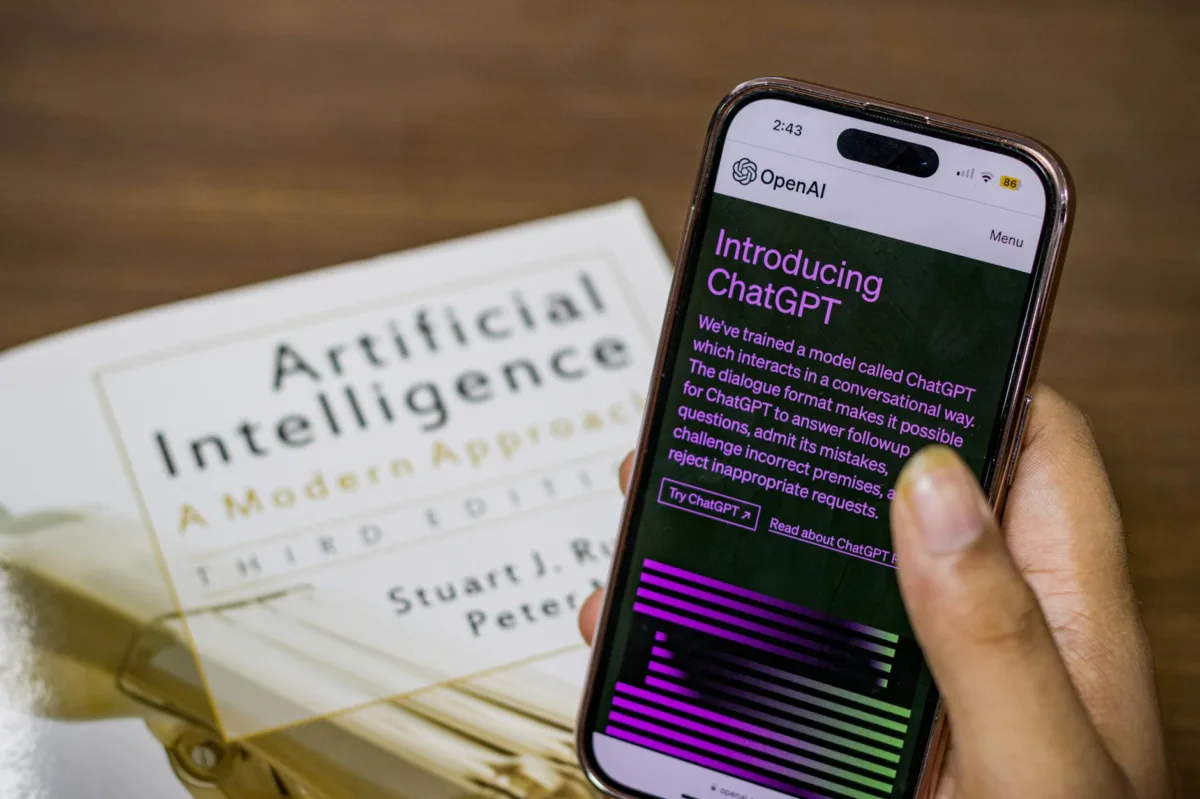
OpenAI, the leading artificial intelligence research organization, is reportedly exploring the launch of its own ChatGPT-powered smartphone, potentially featuring MediaTek chips, as early as 2027. This strategic move aims to deeply integrate generative AI capabilities directly into consumer hardware, marking a significant expansion beyond software services and into the competitive mobile device market.
Context: The Shifting Mobile Landscape
The current smartphone landscape is dominated by established players like Apple and Samsung, with operating systems primarily controlled by Google (Android) and Apple (iOS). While AI features have become increasingly common in smartphones—from enhanced camera capabilities to voice assistants—these are largely integrated at the software or application level. OpenAI’s potential entry signals a shift towards a device built from the ground up to leverage its advanced AI models, offering a fundamentally different user experience. This development follows a period of intense growth and public interest in generative AI, spearheaded by the widespread adoption of ChatGPT since its late 2022 launch.
The Vision: AI-First Hardware Integration
Reports from industry analysts, including Ming-Chi Kuo, indicate that OpenAI is fast-tracking its plans for a dedicated AI phone. The core premise is to create a device where the AI is not merely an app but the central operating paradigm. This could manifest as a highly personalized assistant capable of understanding complex queries, managing tasks proactively, and interacting with the user in a more natural, intuitive manner than current smartphone interfaces allow. The device would likely integrate ChatGPT’s conversational AI, DALL-E’s image generation, and potentially other multimodal AI capabilities directly into the operating system and hardware architecture.
Strategic Partnerships and Chip Technology
The rumored collaboration with MediaTek for chip development is a critical detail. While Qualcomm is a dominant force in high-end smartphone processors, MediaTek has made significant strides in power efficiency and AI processing capabilities for various device segments. Partnering with MediaTek could provide OpenAI with custom silicon optimized for running its specific AI models on-device, potentially reducing reliance on cloud processing for common tasks and enhancing privacy. This partnership would allow OpenAI to tailor the hardware to its software needs, offering a unified and optimized AI experience. The focus would be on efficient on-device AI inference, allowing for quicker responses and potentially new types of interactions even without constant internet connectivity.
Market Dynamics and Competitive Pressures
OpenAI’s foray into hardware would place it in direct competition with tech giants already investing heavily in AI-integrated devices. Google, with its Pixel line, and Samsung, with its Galaxy series, are increasingly emphasizing on-device AI features like real-time translation and advanced photo editing. Apple is also continuously enhancing its neural engine capabilities within its A-series chips. An OpenAI phone would need to offer compelling differentiation, likely centered around its superior generative AI models and a user interface reimagined for an AI-first era. The challenge will be convincing consumers to adopt a new ecosystem from a company traditionally focused on software.
Beyond the Handset: A Broader AI Ecosystem
This move by OpenAI could be part of a larger strategy to control the entire AI stack, from foundational models to user-facing applications and the hardware that runs them. By developing its own phone, OpenAI could ensure seamless integration of its evolving AI models, gather proprietary user data for further model refinement (with appropriate privacy safeguards), and establish a direct relationship with consumers, bypassing traditional app stores and operating system gatekeepers. This vertical integration could accelerate AI innovation and adoption in ways not possible through software partnerships alone.
Implications for Consumers and the Industry
For consumers, an OpenAI phone could herald a new era of personal computing, where the device acts more as an intelligent companion than a mere tool. Imagine a phone that anticipates your needs, summarizes complex information on the fly, and generates content tailored to your context. However, concerns regarding data privacy, security, and the potential for an AI-driven “walled garden” ecosystem would inevitably arise.
For the industry, this development would intensify the AI arms race, pushing existing smartphone manufacturers to innovate further in on-device AI and potentially forcing new partnerships or acquisitions. It could also fragment the mobile market with new AI-centric operating systems or interfaces. The success of an OpenAI phone would largely depend on its ability to offer truly revolutionary user experiences that current smartphones cannot match, justifying its entry into an already saturated and highly competitive market. The coming years will reveal whether this reported initiative marks a pivotal shift in personal technology or a significant challenge for a software-centric company venturing into hardware.