







Russia recently launched one of its most extensive missile and drone barrages in four years against Ukraine, targeting the capital Kyiv, western regions near the NATO border, and other cities, resulting in at least seven deaths and multiple injuries as the ongoing conflict continues its devastating trajectory.
Context of Sustained Conflict
The full-scale invasion of Ukraine by Russia, initiated in February 2022, has been characterized by persistent aerial assaults. These attacks frequently target critical infrastructure and population centers across the country, aiming to degrade Ukraine’s defense capabilities and erode civilian morale, particularly during colder months.
The recent escalation marks a significant return to high-intensity aerial bombardment, reminiscent of earlier, more brutal phases of the conflict. Military analysts suggest this strategy aims to overwhelm Ukrainian air defenses and inflict maximum damage, signaling a continued commitment to military pressure despite international calls for de-escalation.
Details of the Massive Assault
The barrage, described by Ukrainian officials and international observers as ‘one of the longest in four years,’ involved a complex assault utilizing a combination of cruise missiles, ballistic missiles, and an array of Iranian-made Shahed-type unmanned aerial vehicles (UAVs). This multi-pronged approach complicates defense efforts, as different types of projectiles require varied interception strategies.
Kyiv bore the brunt of the assault, with residents waking to prolonged air raid sirens and the distinct sounds of explosions and air defense operations. At least four people were reportedly injured in the capital, suffering from shrapnel wounds, debris, and concussions, with emergency services responding to multiple sites of impact.
Beyond Kyiv, western Ukraine experienced particularly heavy attacks, with reports indicating six fatalities in a region close to Ukraine’s border with NATO member states. This proximity raises significant concerns about regional stability and the potential for unintended escalation or cross-border incidents, prompting increased vigilance from neighboring countries.
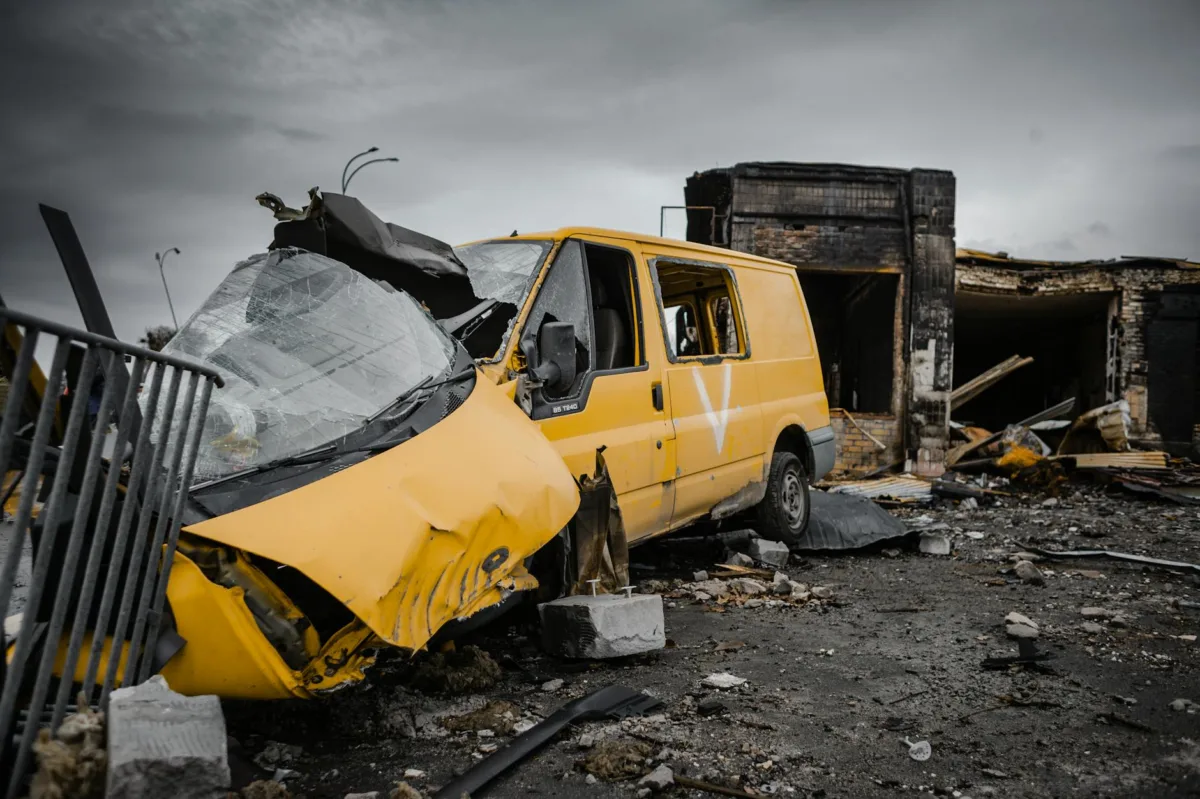
The strikes were not confined to the capital or western areas, with reports of damage and casualties emerging from various locations across the vast nation. Civilian infrastructure, including residential buildings, educational facilities, and critical energy infrastructure, sustained damage, leading to power outages and disruptions to essential services in several regions.
Ukrainian Defense and Resilience
Ukraine’s layered air defense systems were heavily engaged throughout the attacks, with the military reporting successful interceptions of numerous incoming threats. Systems like the Patriot, NASAMS, and Gepard, supplied by Western allies, played a crucial role in mitigating the scale of destruction, demonstrating the effectiveness of modern air defense technology.
Despite the intensity and complexity of the barrages, Ukrainian emergency services rapidly responded to incidents, providing immediate aid to the injured, extinguishing fires, and assessing structural damage. The unwavering resilience of the Ukrainian population, accustomed to such threats, remains a key factor in enduring prolonged aggression and maintaining societal function.
However, the sheer volume of projectiles fired puts immense strain on Ukraine’s ammunition stockpiles for its air defense systems. This highlights a continuous and urgent need for sustained international military aid, particularly in the form of interceptor missiles and advanced radar systems, to protect Ukrainian cities and critical infrastructure effectively.
International Perspectives Amidst Violence
The renewed intensity of Russian aggression comes against a backdrop of complex international discussions and diplomatic efforts, or lack thereof. Notably, former U.S. President Donald Trump has recently spoken of potential peace talks, a sentiment that stands in stark contrast to the escalating violence on the ground and Russia’s apparent unwillingness to cease hostilities.
These divergent narratives underscore the multifaceted challenges facing international diplomacy in resolving the conflict. While some advocate for immediate negotiations, the current military actions suggest a continued commitment to achieving objectives through force by one party, making a diplomatic breakthrough appear distant.
The proximity of some attacks to NATO borders also draws heightened international attention, particularly from alliance members like Poland and Romania. Such incidents invariably prompt increased vigilance, reinforce commitments to collective defense within the alliance, and sometimes lead to calls for stronger air defense measures along NATO’s eastern flank.
Implications for Ukraine and Beyond
The latest wave of attacks carries significant and far-reaching implications for Ukraine. On a humanitarian level, it exacerbates the trauma and suffering of civilians, leading to further internal displacement, heightened psychological distress, and a critical need for sustained mental health support.
Economically, the strikes continue to strain Ukraine’s already stretched resources, diverting essential funds and efforts towards emergency repairs and reconstruction rather than long-term development. The damage to energy infrastructure, in particular, poses a severe threat to essential services and civilian well-being, especially with the approach of colder weather.
Militarily, these barrages underscore Ukraine’s persistent need for robust and modern air defense capabilities, including a steady supply of interceptor missiles and advanced radar systems. International military aid remains absolutely crucial for maintaining Ukraine’s defensive posture and protecting its population centers.
For the broader international community, the attacks serve as a grim reminder of the conflict’s enduring brutality and its profound potential to destabilize regional and global security. The targeting of areas near NATO borders, however unintentional, maintains a palpable level of geopolitical tension and necessitates careful diplomatic navigation.
What to Watch Next
Observers will closely monitor Russia’s future targeting patterns, particularly whether the focus remains primarily on critical infrastructure or shifts towards other strategic objectives. The resilience and effectiveness of Ukraine’s air defenses against potential future waves of attacks will also be a key indicator of the conflict’s evolving trajectory.
The international community’s response, including the speed and scope of further military, financial, and humanitarian aid to Ukraine, will be crucial in determining Ukraine’s ability to withstand these assaults. Diplomatic efforts, though seemingly distant amidst the current violence, will also continue to be a focal point, especially as external actors weigh in on potential pathways to de-escalation or a lasting resolution.


