









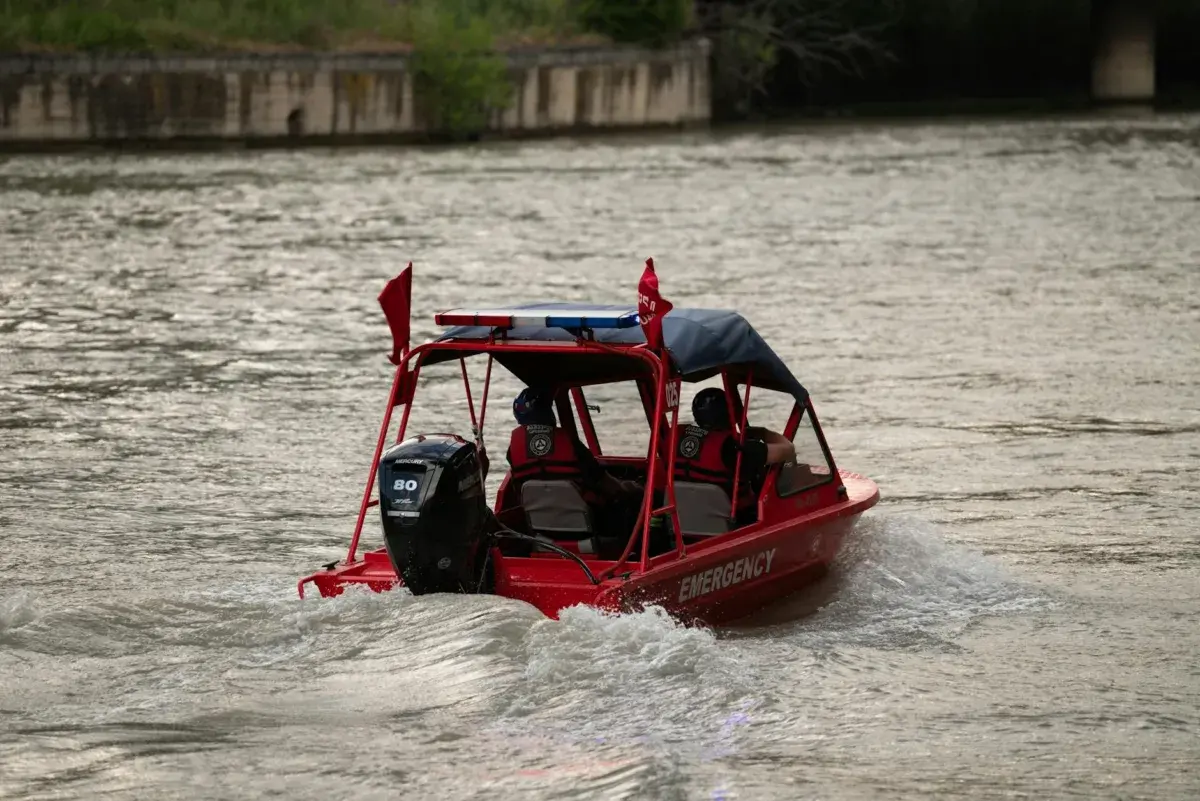
Eleven individuals were hospitalized with various injuries recently following a significant boat explosion that occurred in waters near Miami, prompting an immediate multi-agency emergency response and initiating a thorough investigation into the incident’s cause.
Context of Miami’s Bustling Waterways
Miami’s coastal areas are renowned for their vibrant boating culture, attracting thousands of recreational and commercial vessels daily. The region, with its extensive network of canals, bays, and proximity to the Atlantic Ocean, is a major hub for marine activity, ranging from leisurely cruises to high-speed adventures. This high volume of traffic, while economically beneficial, inherently carries risks, making marine safety a paramount concern for local authorities and boaters alike.
Boat explosions, though relatively rare, are often catastrophic events. Common causes typically include fuel vapor ignition, electrical malfunctions, engine overheating, or faulty gas lines. The contained environment of a boat can amplify the destructive power of an explosion, leading to severe burns, blunt force trauma, and other life-threatening injuries.
Emergency Response and Victim Care
The incident triggered a swift and coordinated response from multiple emergency services. Miami-Dade Fire Rescue, the U.S. Coast Guard, and local law enforcement agencies converged on the scene shortly after the explosion was reported. First responders immediately focused on search and rescue efforts, ensuring all individuals were accounted for and safely transported from the damaged vessel.
Paramedics on site provided initial medical assessments before the 11 injured individuals were transported to area hospitals, including trauma centers equipped to handle severe burn cases and other critical injuries. Medical professionals are currently providing care, with the severity of injuries ranging from minor to critical, according to initial reports from emergency personnel.
The U.S. Coast Guard has taken the lead in the investigation, working in conjunction with local authorities to determine the precise origin and cause of the explosion. Investigators will examine the vessel’s maintenance records, fuel systems, electrical wiring, and any witness accounts to reconstruct the events leading up to the blast. Such investigations are meticulous, often involving forensic analysis of debris and system components.
Expert Perspectives on Marine Safety
Marine safety experts emphasize the critical importance of regular vessel maintenance and adherence to safety protocols. “Boating safety begins long before you even leave the dock,” stated Captain Emily Rodriguez, a retired marine safety officer and consultant. “Pre-departure checks of fuel lines, bilge ventilation, electrical systems, and fire extinguishers are non-negotiable. Fuel vapor is incredibly dangerous, and even a small spark can lead to disaster.”
Data from the U.S. Coast Guard’s 2022 Recreational Boating Statistics report indicates that ‘Fires and Explosions’ accounted for a significant number of incidents, reinforcing the need for constant vigilance. While specific numbers for Miami are not yet released for the current year, such incidents serve as a stark reminder of the potential hazards.
Furthermore, experts advise boaters to be aware of their vessel’s age and condition. Older boats may have deteriorating components that increase risk, necessitating more frequent and thorough inspections. Proper ventilation of engine compartments after fueling is also a critical step often overlooked, allowing dangerous fuel vapors to accumulate.
Implications for the Boating Community
This incident is expected to prompt a renewed focus on boating safety within the Miami community and potentially across Florida. Local marine safety organizations may launch new public awareness campaigns, reminding boat owners and operators of their responsibilities. There could also be increased scrutiny during routine vessel safety checks conducted by the Coast Guard and other agencies.
For the victims and their families, the implications are profound, involving extensive medical treatment, rehabilitation, and the emotional toll of such a traumatic event. The incident also highlights the immediate and selfless response of emergency services, whose rapid actions were crucial in mitigating further harm and facilitating timely medical care.
As the investigation unfolds, its findings will be crucial in identifying specific failures or factors that contributed to the explosion. These insights could lead to updated safety recommendations, new educational initiatives, or even regulatory adjustments aimed at preventing similar tragedies in the future. The boating community will be closely watching for these results, as they will undoubtedly shape future safety practices and awareness campaigns.