




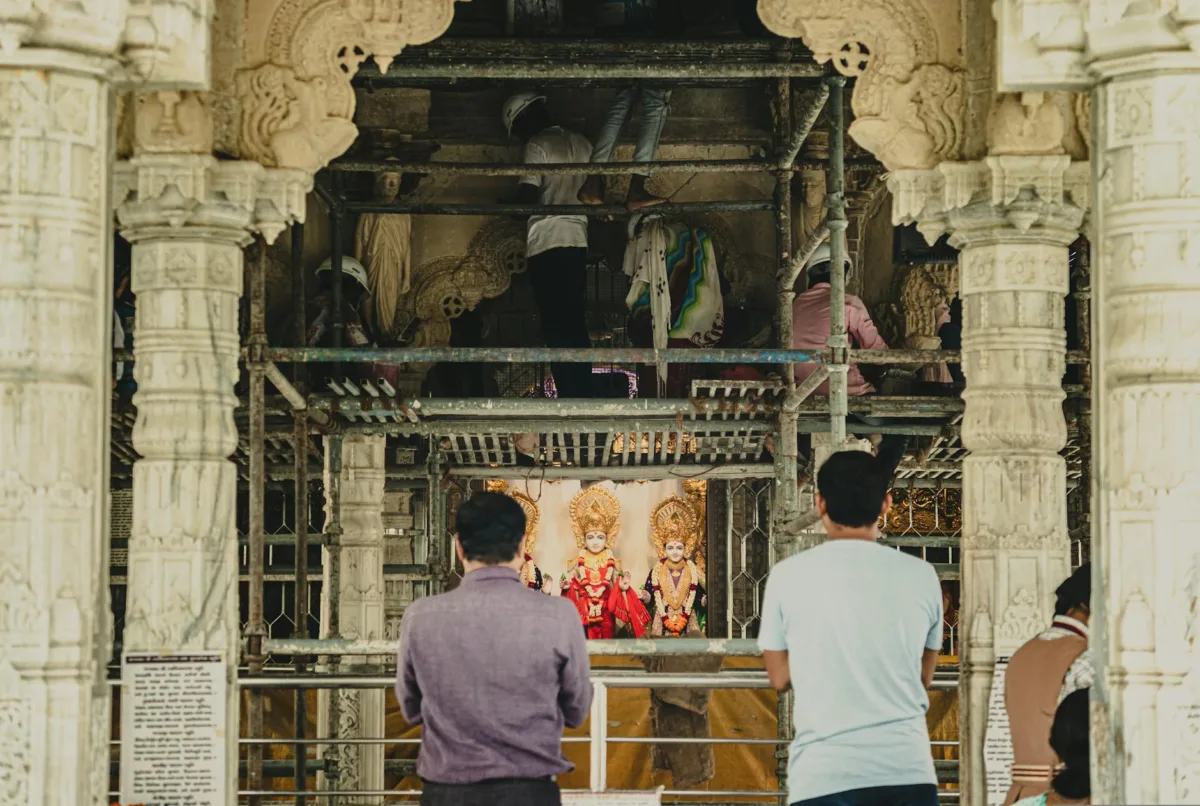
Doordarshan, India’s public service broadcaster, has officially commenced the daily live telecast of the five sacred Aartis performed at the Ram Mandir in Ayodhya, Uttar Pradesh, providing millions of devotees worldwide with real-time access to the rituals starting this month.
This initiative, broadcast on DD National, covers the Mangala, Shringaar, Rajbhog, Sandhya, and Shayan Aartis offered to the deity of Ram Lalla. By leveraging national television infrastructure, the government aims to bridge the physical distance for elderly, disabled, or geographically remote individuals who remain unable to make the pilgrimage to the newly consecrated site.
A Historic Shift in Temple Accessibility
The inauguration of the Ram Mandir in Ayodhya earlier this year marked a significant cultural milestone in India. Since the opening, the temple has seen an unprecedented influx of visitors, with daily footfalls frequently exceeding hundreds of thousands, leading to significant logistical challenges for temple administrators.
The decision to broadcast the rituals marks a transition toward a hybrid model of worship. By integrating digital and television media, the temple trust seeks to manage crowd density while maintaining the spiritual continuity of the religious practices performed throughout the day.
The Logistics of Sacred Rituals
The Aarti schedule follows a strictly defined traditional timeline. The day begins with the Mangala Aarti at dawn and concludes with the Shayan Aarti at night, with three additional ceremonies conducted throughout the mid-day hours. Each ritual requires specific offerings and liturgical recitations that are now being captured by high-definition cameras installed within the sanctum sanctorum.
According to technical specifications released by the broadcaster, the production involves multiple camera angles to ensure that viewers experience the intimate details of the rituals. This level of access is unprecedented for the site, which previously relied on limited local coverage.
Expert Perspectives on Digital Devotion
Sociologists observing the trend note that the digitization of temple rituals is not merely a logistical solution but a cultural evolution. Dr. Anjali Rao, a researcher in religious media studies, notes that television broadcasts create a “virtual congregation” that reinforces community identity across vast distances.
Data from the Ministry of Information and Broadcasting suggests that live religious programming remains one of the highest-rated segments on Indian television. The shift toward live-streaming these specific rituals is expected to generate significant viewership numbers, particularly during major festival cycles and auspicious calendar dates.
Implications for Future Pilgrimage
For the temple industry, this development sets a new standard for how major religious sites manage accessibility. Other prominent shrines across India are reportedly monitoring the Ayodhya model to determine if similar high-fidelity broadcasting could alleviate physical congestion at their own locations.
Looking ahead, industry experts anticipate that the temple trust may further integrate interactive features, such as virtual reality tours or dedicated mobile applications for ritual synchronization. As the infrastructure in Ayodhya continues to develop, the focus will likely shift toward maintaining this high standard of broadcasting while balancing the solemnity of the temple environment with the demands of a global digital audience.