








The World Health Organization (WHO) Director-General recently addressed residents of Tenerife, Canary Islands, to reassure them about robust public health measures in place following the anticipated arrival of a cruise ship with suspected hantavirus cases onboard. This incident underscores growing global concerns over infectious disease outbreaks and their potential impact on international travel and local communities.
Understanding the Hantavirus Threat
Hantavirus is a severe, sometimes fatal, respiratory disease transmitted to humans through contact with infected rodents or their urine, droppings, or saliva. The Centers for Disease Control and Prevention (CDC) outlines that symptoms can include fever, muscle aches, and severe respiratory distress. While person-to-person transmission is rare, the virus’s high fatality rate in certain forms, such as Hantavirus Pulmonary Syndrome (HPS), necessitates rigorous public health protocols.
Globally, hantavirus cases have seen fluctuations, with experts in some regions, as reported by CNN, linking an increase in outbreaks to climate change. Environmental shifts can alter rodent populations and their habitats, potentially increasing human exposure risks. This ecological dimension adds complexity to disease prevention and control efforts worldwide.
The Cruise Ship Incident and Tenerife’s Preparedness
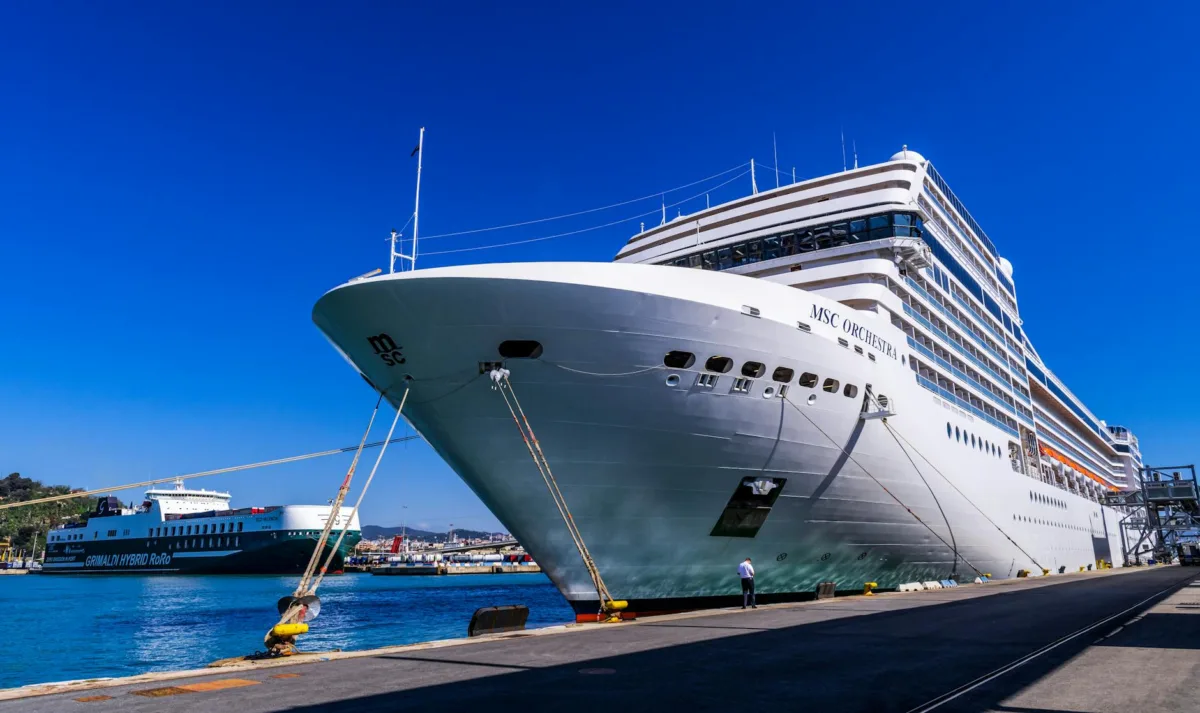
The situation in Tenerife gained international attention when a cruise ship, carrying individuals with suspected hantavirus infections, was scheduled to arrive. The Guardian highlighted how such an event can transform a leisure trip into a public health crisis, given the confined environment of a vessel. The WHO chief’s message, as reported by the BBC, aimed to quell anxieties among Tenerife’s residents, emphasizing the island’s readiness to manage the situation.
Local health authorities in Tenerife, in coordination with international bodies like the WHO, activated comprehensive response plans. These measures typically include stringent passenger screening, isolation protocols for suspected cases, contact tracing, and thorough disinfection procedures for the vessel and any potentially exposed areas. The goal is to prevent any onward transmission within the community and ensure the safe management of affected individuals.
The proactive communication from the WHO Director-General served to inform the public and reinforce confidence in the health system’s capacity to handle such a challenge. This transparency is crucial in managing public perception and preventing misinformation during health emergencies.
Broader Implications for Public Health and Tourism
This incident in Tenerife is a stark reminder of the interconnectedness of global travel and public health. For a region heavily reliant on tourism, like the Canary Islands, managing infectious disease threats is paramount not only for public safety but also for economic stability. Rapid, coordinated responses are essential to mitigate both health risks and potential damage to a destination’s reputation.
The event also underscores the critical role of international health organizations in providing guidance, resources, and reassurance during cross-border health crises. Their involvement helps standardize responses and fosters global cooperation, which is vital when diseases can traverse continents rapidly through modern transportation.
Moving forward, health officials and industry stakeholders must continue to refine protocols for managing infectious diseases on cruise ships and other international travel hubs. Enhanced surveillance, rapid diagnostic capabilities, and robust communication strategies will be key. The ongoing threat of zoonotic diseases, potentially exacerbated by environmental changes, necessitates continuous vigilance and adaptation in public health strategies worldwide. As global travel resumes its pre-pandemic pace, destinations like Tenerife will remain on the front lines, demonstrating the ongoing need for preparedness against emerging and re-emerging pathogens.