







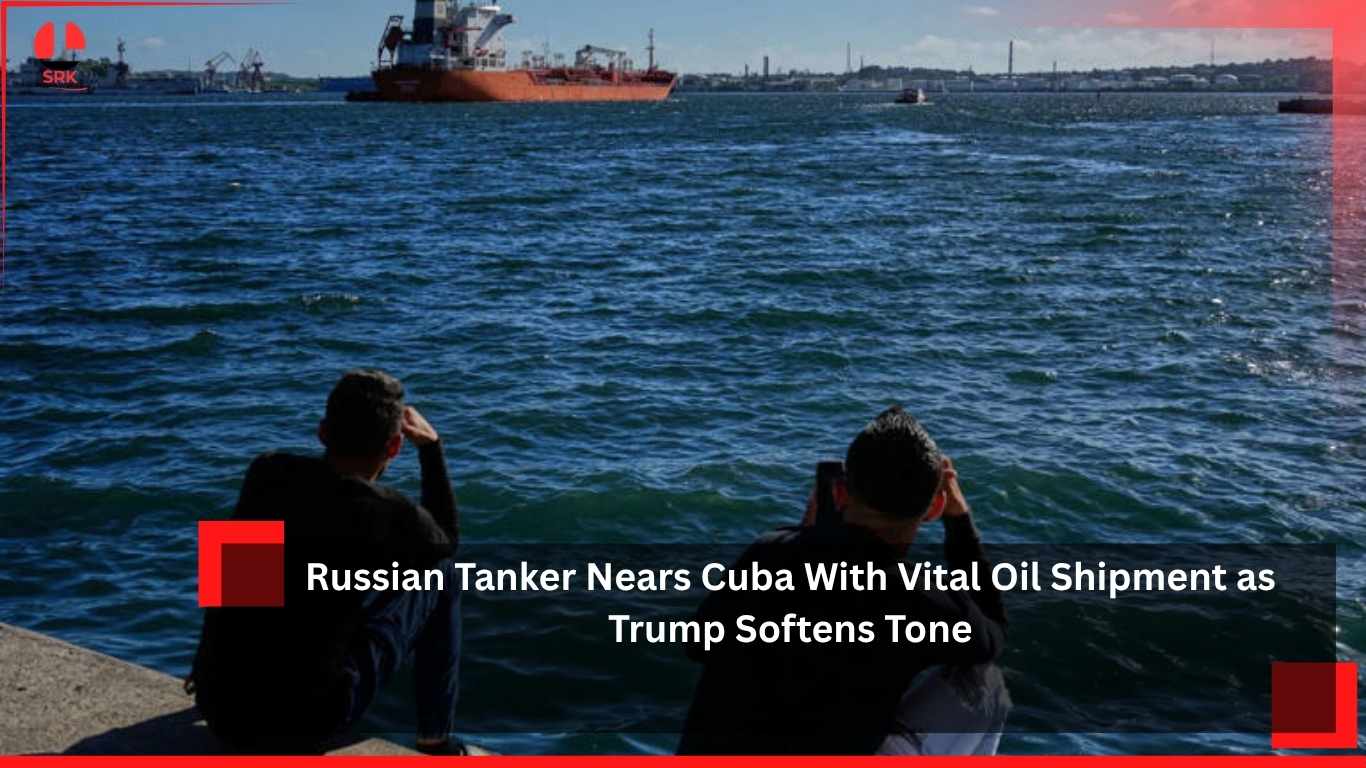
A Russian oil tanker is reportedly nearing Cuban shores with a much-needed shipment of petroleum, offering relief to the island nation grappling with energy shortages. The development comes at a time when Donald Trump has softened his tone toward Cuba, sparking speculation about potential shifts in US-Cuba relations.
Background of Cuba’s Energy Crisis
Cuba has faced persistent energy shortages due to declining domestic production, sanctions, and reduced imports from traditional allies. Power outages, fuel rationing, and transportation disruptions have become common, affecting daily life and economic stability. The arrival of Russian oil is expected to provide temporary relief, but long-term solutions remain uncertain.
Russia’s Role
Russia has positioned itself as a strategic partner for Cuba, offering energy supplies and economic cooperation. The tanker’s arrival underscores Moscow’s intent to strengthen ties with Havana, while also signaling its willingness to challenge US influence in the region.
Trump’s Softer Tone
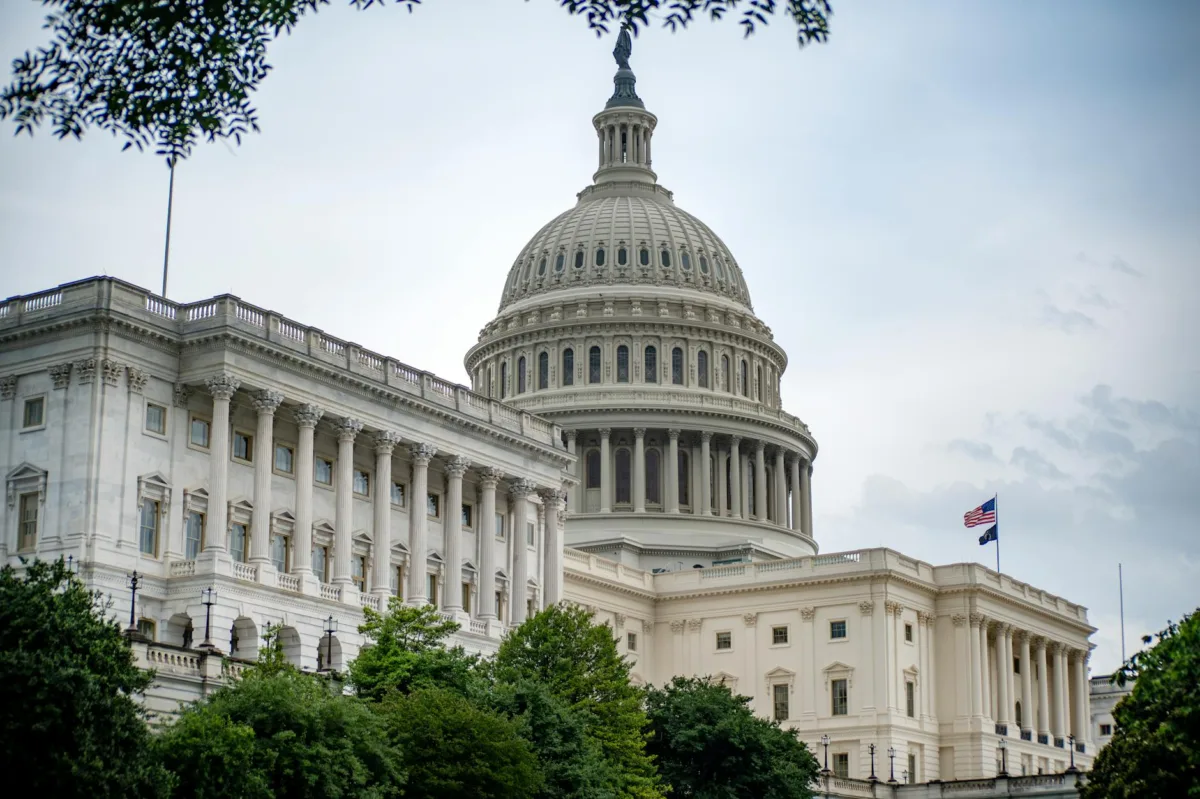
Donald Trump’s recent remarks on Cuba suggest a possible recalibration of US policy. While his administration previously maintained a hardline stance, his softer tone has raised questions about whether Washington might ease restrictions or explore new diplomatic avenues. Analysts caution, however, that rhetoric does not always translate into policy change.
Comparative Analysis of Stakeholder Interests
| Stakeholder Group | Interest in Oil Shipment | Concerns |
|---|---|---|
| Cuban Govt | Relief from shortages | Dependence on external aid |
| Russian Govt | Strengthening influence | Risk of US sanctions |
| US Govt | Monitoring developments | Potential geopolitical shifts |
| Citizens | Access to fuel, stability | Fear of recurring shortages |
Pivot Analysis of Future Scenarios
| Scenario | Likelihood | Impact |
|---|---|---|
| Continued Russian Support | High | Stabilizing for Cuba |
| US Policy Shift | Moderate | Potential easing of tensions |
| Renewed Sanctions | High | Severe economic strain |
| Regional Cooperation | Moderate | Balanced relief |
Global Implications
The Russian tanker’s arrival in Cuba highlights the intersection of energy security and geopolitics. Disruptions in Cuba’s energy supply affect not only domestic stability but also regional dynamics. Russia’s involvement signals its broader strategy of expanding influence in Latin America, while Trump’s softened tone adds uncertainty to US policy.
Challenges Ahead
- Energy Dependence: Cuba’s reliance on external suppliers remains a vulnerability.
- Geopolitical Tensions: US-Russia rivalry could complicate Cuba’s position.
- Economic Constraints: Sanctions and limited resources hinder Cuba’s ability to diversify energy sources.
- Policy Uncertainty: Trump’s softer tone may not translate into concrete changes.
Opportunities for Resolution
- Strengthening renewable energy initiatives in Cuba.
- Expanding regional cooperation on energy security.
- Encouraging diplomatic dialogue between Cuba, the US, and Russia.
- Promoting investment in infrastructure to reduce dependence on imports.
Conclusion
The nearing of a Russian tanker carrying vital oil to Cuba represents both relief and risk. While the shipment will ease immediate shortages, it underscores Cuba’s dependence on external allies and the geopolitical complexities of energy supply. Trump’s softened tone adds another layer of intrigue, raising questions about the future of US-Cuba relations. The coming months will reveal whether this moment marks a turning point or remains a temporary reprieve in Cuba’s ongoing energy struggle.
Disclaimer
This article is based on public reports and statements regarding the Russian tanker’s approach to Cuba and Donald Trump’s remarks. No independent verification of all claims has been provided at the time of writing. The content is intended for informational and analytical purposes only, not as verified fact. Readers are encouraged to follow official updates for accurate information.