








A senior Pentagon official confirmed this week that U.S. military operations related to Iran have reached a cumulative cost of $25 billion. This figure represents the most precise financial assessment released by the Biden administration since the current escalation of tensions in the Middle East began.
Context and Strategic Background
The Middle East has experienced heightened instability following the October 7 attacks in Israel and the subsequent regional military engagements. The U.S. has deployed significant naval and air assets to the region, including aircraft carrier strike groups and missile defense batteries, aimed at deterring further aggression from Iranian-backed proxies.
These assets have been utilized to intercept drones and missiles launched by Houthi rebels in the Red Sea and to protect commercial shipping lanes. The $25 billion price tag encompasses fuel, personnel deployment, ammunition usage, and the maintenance of a heightened alert posture across multiple theaters of operation.
Breakdown of Military Expenditures
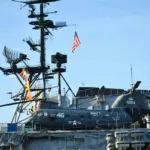
Department of Defense data indicates that the bulk of the expenditure is tied to the sustained presence of the U.S. Navy. Maintaining a constant rotation of warships in the Red Sea and the Gulf of Oman requires extensive logistics, including constant refueling and the replenishment of sophisticated interceptor missiles used to neutralize incoming threats.
Beyond naval operations, the cost includes the deployment of additional air squadrons and support personnel across regional bases in the Gulf states. These forces provide intelligence, surveillance, and reconnaissance capabilities that are essential to identifying threats from Iranian-affiliated militias in Iraq, Syria, and Yemen.
Expert Perspectives and Fiscal Oversight
Defense analysts suggest that while $25 billion is a significant sum, it reflects the high cost of modern, high-intensity maritime security. “When you are operating advanced missile defense systems against cheaper, mass-produced drones, the cost-exchange ratio is inherently skewed against the defender,” noted a defense policy researcher at a Washington-based think tank.
The Government Accountability Office (GAO) continues to monitor these expenditures as part of its routine oversight of Overseas Contingency Operations. Lawmakers have expressed concern regarding the long-term sustainability of these costs, especially as the Pentagon balances regional commitments with ongoing support for Ukraine and strategic competition in the Indo-Pacific.
Implications for Future Defense Spending
The revelation of this specific cost could influence upcoming debates regarding the national defense budget. As Congress prepares for the next fiscal cycle, the financial strain of maintaining a persistent deterrent force in the Middle East may lead to calls for a more streamlined regional strategy.
Observers should watch for how the administration reconciles these costs with its broader budgetary requests. Any shift in the intensity of regional conflicts or a change in the scale of the U.S. military footprint could significantly alter these figures, serving as a key indicator of future policy adjustments in the region.