








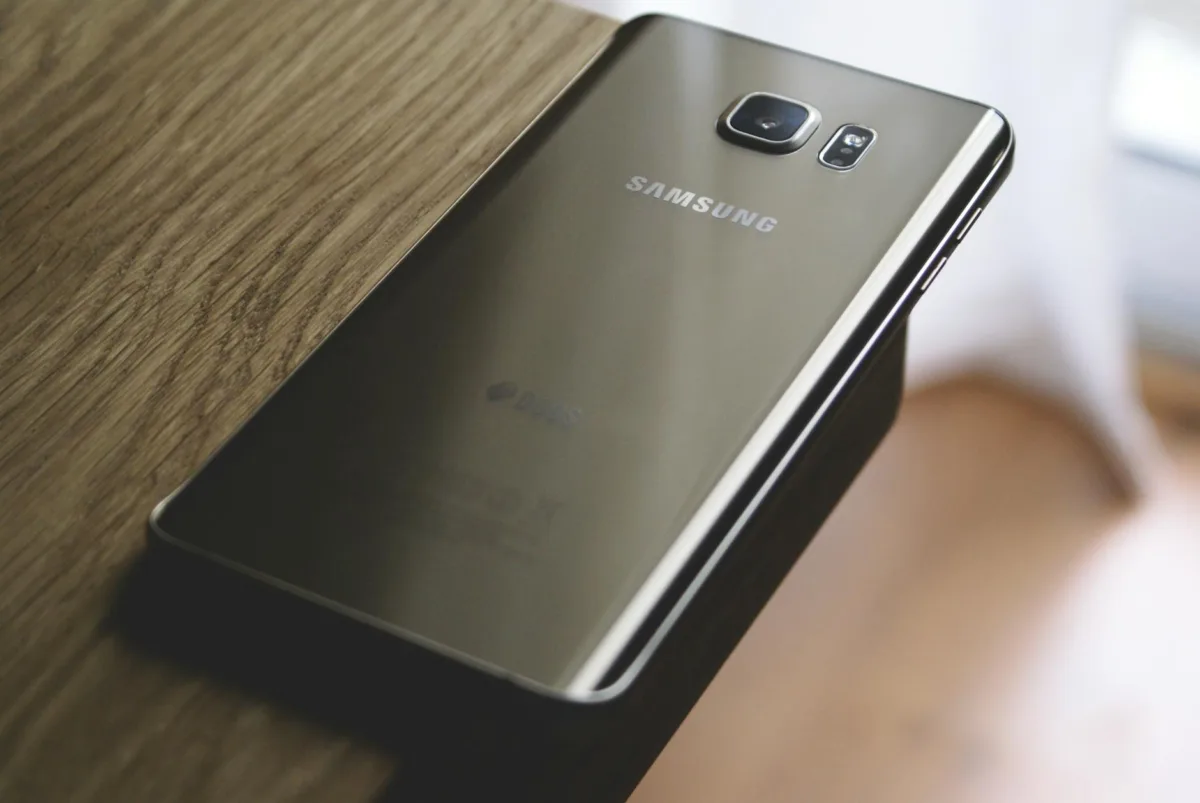
Pop superstar Dua Lipa has initiated a $15 million lawsuit against Samsung Electronics in a U.S. court, alleging the global tech giant used her image without authorization on promotional materials for its televisions. The complaint, filed recently, contends that Samsung exploited the singer’s likeness on TV packaging to market its products, prompting a significant legal challenge over intellectual property rights and celebrity endorsement.
Context: The Battle for Celebrity Image Rights
The unauthorized use of a celebrity’s image for commercial purposes represents a long-standing legal battleground, intensified by the digital age. Public figures often meticulously manage their brand and image, which are significant assets, and any perceived misappropriation can lead to substantial financial claims.
This lawsuit echoes a growing trend where artists and public figures are increasingly vigilant about protecting their digital footprint. Dua Lipa herself has previously voiced concerns regarding the unauthorized use of her data and the implications of artificial intelligence in content creation, highlighting a broader industry discussion about consent and control in the digital realm.
Details of the Lawsuit and Industry Implications
The core of Dua Lipa’s claim against Samsung centers on her ‘right of publicity,’ which grants individuals the exclusive right to control the commercial use of their identity. The lawsuit seeks $15 million in damages, reflecting the perceived value of her global brand and the alleged commercial benefit Samsung gained from using her image without a licensing agreement.
While specific details about the alleged image in question have not been fully disclosed in initial reports, the focus remains on its appearance on Samsung TV packaging. This form of marketing is highly visible and directly tied to product sales, making the alleged infringement particularly impactful from the celebrity’s perspective.
Legal experts in intellectual property often point to such cases as critical reminders for corporations. “In an era where celebrity endorsements drive significant market value, companies must exercise extreme caution and ensure all necessary clearances are obtained,” noted one IP attorney familiar with similar cases. “The costs of litigation and potential damages far outweigh the investment in proper licensing.”
Samsung, a multinational conglomerate, has not yet issued a detailed public response to the lawsuit, typically adhering to policies of not commenting on ongoing legal matters. However, such high-profile cases often prompt internal reviews of marketing and legal clearance processes within large corporations.
The Broader Landscape of Digital Rights
The lawsuit also underscores the escalating challenges posed by emerging technologies, particularly artificial intelligence. As AI becomes more sophisticated in generating photorealistic images and deepfakes, the lines between authorized and unauthorized use of a person’s likeness become increasingly blurred. Celebrities like Dua Lipa are at the forefront of advocating for stronger protections against unauthorized digital replication and manipulation.
Data from various legal firms indicates a steady increase in intellectual property infringement cases related to celebrity image rights over the past decade. This surge is largely attributed to the pervasive nature of digital content and the ease with which images can be disseminated and repurposed across various platforms without proper attribution or consent.
Looking Ahead: What This Means for Brands and Public Figures
This legal action by Dua Lipa against a global tech giant like Samsung sends a clear message across industries: the unauthorized use of a celebrity’s image carries substantial financial and reputational risks. For brands, it reinforces the critical importance of rigorous legal vetting for all marketing materials and the necessity of securing explicit, documented consent for any use of a public figure’s likeness.
For celebrities and public figures, the case highlights the ongoing need for proactive measures to protect their intellectual property in an increasingly digital and AI-driven world. It may encourage more artists to take swift legal action against perceived infringements, further shaping the legal landscape around digital rights and commercial exploitation.
The outcome of this lawsuit will likely set a precedent for future cases involving celebrity image rights and corporate advertising. Industry observers will be watching closely to see how the courts interpret existing intellectual property laws in the context of modern marketing practices and the evolving challenges presented by digital media and AI.