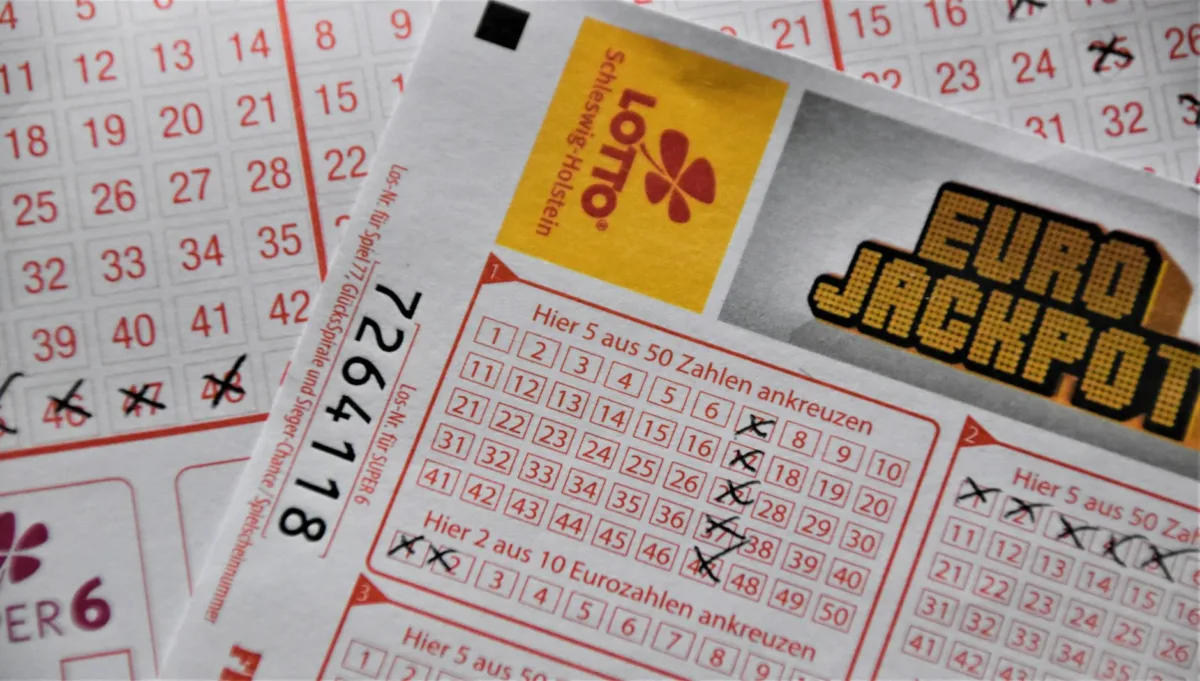









Millions of hopeful participants across 45 states, the District of Columbia, Puerto Rico, and the U.S. Virgin Islands eagerly awaited the Powerball drawing Saturday evening, as the winning numbers were revealed: 15-41-46-47-56, with the Powerball being 22. These numbers determine whether an individual, or multiple individuals, will claim the coveted multi-million dollar jackpot, transforming lives with the promise of immense financial freedom.
Understanding the Powerball Phenomenon
Powerball stands as one of America’s most popular multi-state lottery games, captivating the public with its often colossal jackpots. Players select five numbers from a set of 69 white balls and one number from a set of 26 red Powerballs. The game’s structure allows jackpots to grow significantly when no top prize winner emerges, leading to widespread “lottery fever” as the stakes climb into hundreds of millions, sometimes even billions, of dollars. Since its inception, Powerball has generated billions in revenue, often earmarked for state-specific public services like education, infrastructure, and aid programs, making it more than just a game of chance but also a significant contributor to state treasuries.
The Allure and Reality of a Jackpot Win
The allure of Powerball lies in its life-altering potential. A single winning ticket can instantly elevate an ordinary citizen to multi-millionaire status, though the journey from winner to wealth management is complex. Winners typically face a choice between a lump-sum cash payout, which is significantly less than the advertised annuity but immediately available, or an annuity paid out over 30 years. Both options are subject to substantial federal and state taxes, which can reduce the net winnings by a significant margin.
Financial experts consistently advise jackpot winners to seek immediate counsel from attorneys, financial advisors, and tax professionals to navigate the complexities of sudden wealth. This ensures responsible management and long-term security of their newfound fortune.
Despite the astronomical odds, participation in Powerball remains consistently high, particularly as the jackpot swells. The odds of winning the Powerball jackpot are approximately 1 in 292.2 million, making it far more likely to be struck by lightning (around 1 in 1.2 million) or even become a movie star. However, this statistical improbability rarely deters players, driven by the powerful dream of escaping financial worries and fulfilling lifelong aspirations.
According to recent lottery reports, ticket sales can surge by over 500% in weeks leading up to record-breaking jackpot drawings, demonstrating the collective human desire for a chance at extraordinary luck. This phenomenon is often attributed to cognitive biases, where the vivid possibility of winning overshadows the remote probability of success.
Beyond the jackpot, Powerball offers eight other ways to win smaller prizes, ranging from $4 for matching just the Powerball to $1 million for matching five white balls without the Powerball. These smaller wins, while not life-changing, contribute to the game’s appeal, offering more frequent, albeit modest, rewards and sustaining player engagement. The transparency of the draw process, overseen by independent auditors, further reinforces public trust in the integrity of the game, ensuring that each number drawn is purely a result of chance.
What Comes Next: Implications for Players and the Jackpot
The announcement of the winning numbers now sets off a period of anticipation. If a ticket matching all six numbers was sold, the winner or winners will typically have a window of 180 days to one year, depending on the state, to come forward and claim their prize. This period allows for careful planning and preparation before publicly announcing such a monumental win, if the state allows anonymity.
Should no winning ticket for the grand prize be identified from Saturday evening’s drawing, the Powerball jackpot will roll over and continue to grow, pushing its value even higher for the next drawing. This rollover effect invariably fuels increased ticket sales and renewed public excitement, as the dream of hitting an even larger jackpot becomes more tangible for millions. The ongoing saga of the Powerball jackpot underscores its unique place in American culture, serving as a weekly reminder of both the tantalizing possibility of instant fortune and the collective hope it inspires across diverse communities. The next drawing will undoubtedly capture national attention once again, as players continue to chase the elusive, life-altering win.