








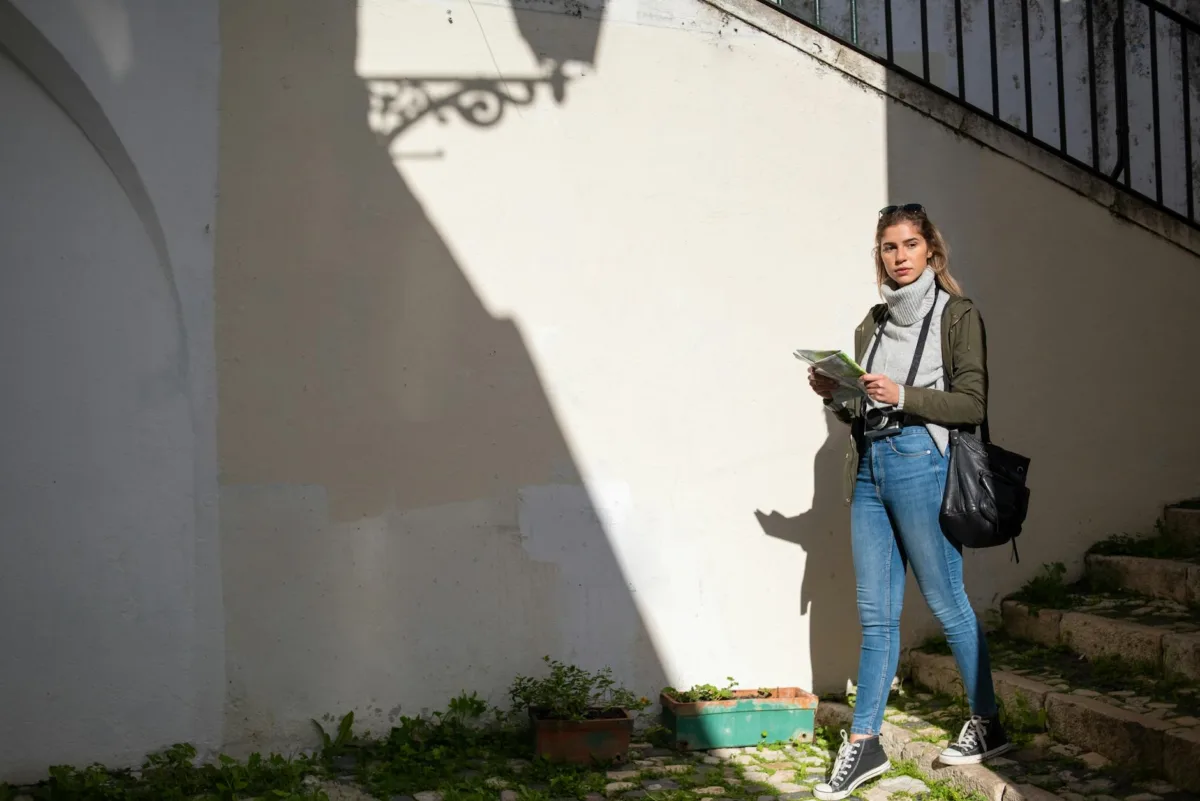
Solo women travelers worldwide are increasingly adopting essential safety strategies as global travel resumes and independent exploration gains popularity, ensuring safer, smoother, and more enjoyable journeys across diverse destinations while maximizing the liberating experience. This proactive approach, driven by a blend of self-empowerment and awareness of inherent travel risks, underscores a growing trend where preparedness is paramount for those venturing out alone.
The allure of solo travel for women has surged in recent years, offering unparalleled freedom, self-discovery, and the thrill of independent adventure. This trend, highlighted by a 2023 report from the World Travel & Tourism Council indicating a 30% increase in solo female travel bookings over the last two years, reflects a powerful desire for personal growth and immersive cultural experiences. However, this liberation comes with an increased need for vigilance and strategic planning. While the vast majority of solo journeys are enriching and incident-free, specific challenges can arise, from navigating unfamiliar environments to managing personal security. Understanding and mitigating these potential risks through informed choices is crucial for transforming a good trip into an exceptional one.
Strategic Planning for Arrival and Accommodation
Arriving at your destination during daylight hours is a foundational safety principle. Travel safety experts at organizations like the International Women’s Travel Center consistently emphasize the “daylight rule” for initial arrivals, noting it significantly reduces vulnerability during the crucial orientation period in a new place. Navigating public transport or finding your pre-booked accommodation becomes simpler and less stressful when visibility is high and local activity is bustling.
Selecting accommodation in a well-populated area further enhances security. A bustling market square or a central district, rather than an isolated locale, offers the inherent safety of numbers. A study by the Global Urban Safety Initiative found that solo travelers lodging in well-populated urban centers reported 15% fewer incidents of petty crime compared to those in more secluded areas. This proximity to amenities also reduces the need for extensive travel, especially after dark, for basic necessities.
Thoroughly researching your chosen hotel or guesthouse prior to booking is non-negotiable. Online reviews, particularly those posted by other solo female travelers, provide invaluable, unfiltered insights beyond glossy website photographs. Travel blogger and safety advocate, Anya Sharma, advises, “Always prioritize recent reviews from other solo female travelers. Their insights often provide the most relevant safety indicators about an accommodation and its immediate surroundings, covering everything from neighborhood feel to staff helpfulness.” Cross-referencing reviews across multiple reputable platforms can reveal a more accurate picture of safety and service quality.
Personal Conduct and Digital Vigilance
Blending in with local customs and attire is a pragmatic safety measure that often goes beyond mere fashion. While personal style is undoubtedly important, choosing outfits that are culturally appropriate and comfortable can significantly minimize unwanted attention in an unknown territory. This isn’t about conforming entirely but about exercising discretion. Cultural sensitivity isn’t just about respect for local traditions; it’s a practical tool for reducing visibility as a potential target for opportunistic crime or harassment, a principle widely echoed by various international travel advisories. The goal is to feel confident and at ease in your surroundings, allowing you to focus on the experience rather than constantly managing external perceptions.
Maintaining a discreet digital footprint and a robust communication plan is equally vital for solo travelers. Regularly checking in with trusted friends or family members via social media, messaging apps, or email provides invaluable peace of mind for both the traveler and their contacts back home. Digital safety consultant, Dr. Lena Khan, recommends, “Establish a clear, consistent communication schedule with a few trusted contacts. A simple ‘I’ve arrived safely’ message or a daily update can be invaluable. For enhanced security during specific transit periods or in remote areas, consider sharing your live location temporarily, but only with a select emergency contact who understands the protocol.” This strategy ensures that, in the unlikely event of an emergency or an unforeseen change of plans, someone reliable knows your general whereabouts and can act if needed.
Exercising caution with valuable belongings is paramount. Flashing expensive electronics like cameras, phones, or laptops can mark you as a target for opportunistic theft. Keep these items secure and out of sight when not in use, and carry essentials like passports and wallets in secure, easily accessible yet discreet locations, such as a money belt or a cross-body bag worn under clothing. Police reports in major tourist destinations frequently cite visible high-value items as significant factors in opportunistic theft incidents, underscoring the importance of situational awareness.
The increasing emphasis on pre-trip planning and on-the-ground safety strategies signals a maturing landscape for solo female travel. This trend is not about deterring women from exploring independently but about empowering them with the knowledge and tools to do so confidently and securely. As technology continues to evolve, we can anticipate more sophisticated safety apps, personalized risk assessment tools that leverage AI for real-time threat analysis, and community-driven platforms dedicated to sharing immediate, localized safety information for solo travelers. The future of solo female travel will likely see a continued surge in participation, driven by a generation of women who are not only seeking adventure but are also highly informed and proactive about their personal safety. This proactive approach transforms perceived vulnerabilities into strengths through meticulous preparation and shared wisdom. Watch for a growing ecosystem of travel services, products, and educational resources tailored specifically to enhance the security, connectivity, and overall peace of mind for these intrepid explorers, fostering an environment where independence and safety can truly coexist.