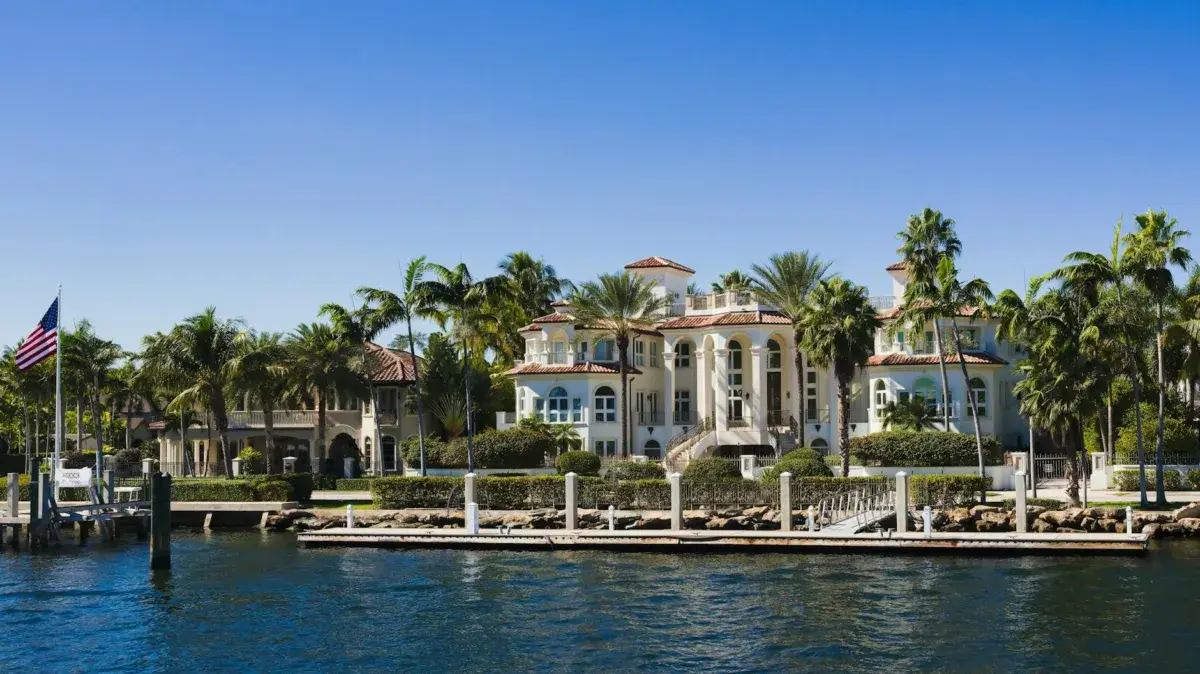







Last Friday, West Hollywood, California, witnessed a unique cultural convergence as LOST iN, the prominent travel media company targeting millennial and Gen Z audiences, hosted an immersive Japanese Bluefin Ceremony. This exclusive event, held at a luxurious AvantStay estate, brought together an elite group of celebrities, influencers, and cultural connoisseurs to experience a 1,300-year-old tradition reimagined for a contemporary, high-end setting. The ceremony aimed to bridge ancient Japanese culinary artistry with modern luxury lifestyle, offering a transportive and authentic cultural experience.
Context: Bridging Ancient Worlds and Modern Lifestyles
LOST iN has distinguished itself by providing curated travel content that moves beyond superficial tourism, focusing instead on authentic local experiences and deeper cultural understanding. Its audience, primarily millennials and Gen Z, actively seeks unique, story-rich engagements over conventional luxury. The decision to host a Bluefin Ceremony, a practice known in Japan as “maguro kaitai,” underscores this commitment. This intricate ritual, involving the public dissection of a large tuna, symbolizes respect for the ocean’s bounty, culinary precision, and communal celebration—a stark contrast to the typical glitz of West Hollywood. AvantStay, known for its portfolio of high-end vacation rentals, provided the perfect backdrop, transforming a lavish property into a serene Japanese-inspired haven for the evening.
The Ceremony Unfolds: A Feast for the Senses
The AvantStay estate was meticulously transformed, evoking a tranquil Japanese aesthetic with minimalist decor, soft lighting, and subtle traditional accents. Guests were immersed from the moment they arrived, greeted by an atmosphere that blended sophisticated elegance with an air of reverence. The centerpiece of the evening was the maguro kaitai. A master sushi chef, often clad in traditional attire, performed the precise and intricate dissection of a magnificent bluefin tuna. This highly skilled process, a spectacle in itself, captivated the audience, highlighting centuries of culinary heritage and the importance of sustainability and zero-waste practices.
Each cut of the chef’s specialized knife was met with hushed awe, revealing the different textures and qualities of the fish. Immediately following the dissection, expert sushi chefs prepared fresh nigiri and sashimi on site, allowing guests to taste the unparalleled freshness of the bluefin just moments after it was prepared. This direct ocean-to-plate experience elevated the culinary aspect beyond mere dining, turning it into a participatory cultural event. Attendees, including notable figures from entertainment and lifestyle sectors, engaged in conversations about Japanese culture, culinary arts, and the event’s unique blend of tradition and modernity.
Expert Insights and the Rise of Experiential Luxury
Industry observers note that events like LOST iN’s Bluefin Ceremony reflect a growing trend in experiential marketing and luxury hospitality. “Today’s affluent consumers, particularly younger generations, prioritize experiences over possessions,” states Dr. Anya Sharma, a cultural anthropologist specializing in consumer trends. “They seek authenticity, unique narratives, and opportunities for personal growth and connection. A meticulously executed cultural ritual, even when adapted for a new context, resonates deeply because it offers something genuinely memorable and educational.”
Data from a recent luxury market report by Bain & Company indicates that experiential luxury, encompassing services, travel, and events, continues to outpace growth in personal luxury goods. Brands are increasingly recognizing the value of creating ‘moments’ that foster emotional connections and align with their audience’s desire for meaningful engagement. LOST iN’s event exemplifies this shift, positioning itself not just as a content provider but as a curator of bespoke, high-impact cultural adventures. This strategy not only reinforces its brand identity but also sets a new benchmark for how media companies can interact with their audience beyond digital platforms.
Implications: Redefining Travel, Culture, and Marketing
The successful staging of a 1,300-year-old Japanese ritual in the heart of West Hollywood holds significant implications across several sectors. For travel media, it demonstrates a powerful model for delivering authentic cultural content that transcends traditional articles or videos, offering tangible, immersive experiences. This could encourage other platforms to venture into similar event-based strategies, creating a new frontier for content engagement.
In luxury hospitality, the event showcases the potential for blending high-end accommodation with deeply rooted cultural practices, moving beyond generic luxury to offer bespoke, educational, and emotionally resonant stays. For cultural exchange, it highlights both the opportunities and challenges of presenting ancient traditions in modern, cross-cultural contexts. While some might raise questions about cultural appropriation, LOST iN’s careful execution, emphasizing respect for the craft and educational elements, positions it more as an act of appreciation and sharing. Ultimately, this event underscores a broader societal shift towards valuing genuine experiences and cultural literacy.
Looking ahead, this event signals a potential blueprint for how brands can engage audiences through ‘cultural immersion as entertainment.’ Expect to see more collaborations between media companies, luxury hospitality providers, and cultural experts to craft unique, high-value experiences that cater to a global audience hungry for authenticity. The success of LOST iN’s Bluefin Ceremony suggests a future where luxury is defined not just by opulence, but by the depth of experience and the richness of cultural understanding it provides. Brands that can master this delicate balance will likely lead the next wave of consumer engagement, transforming passive consumption into active, memorable participation. This trend could also spur further interest in niche cultural tourism, driving demand for experiences that offer both learning and luxury.