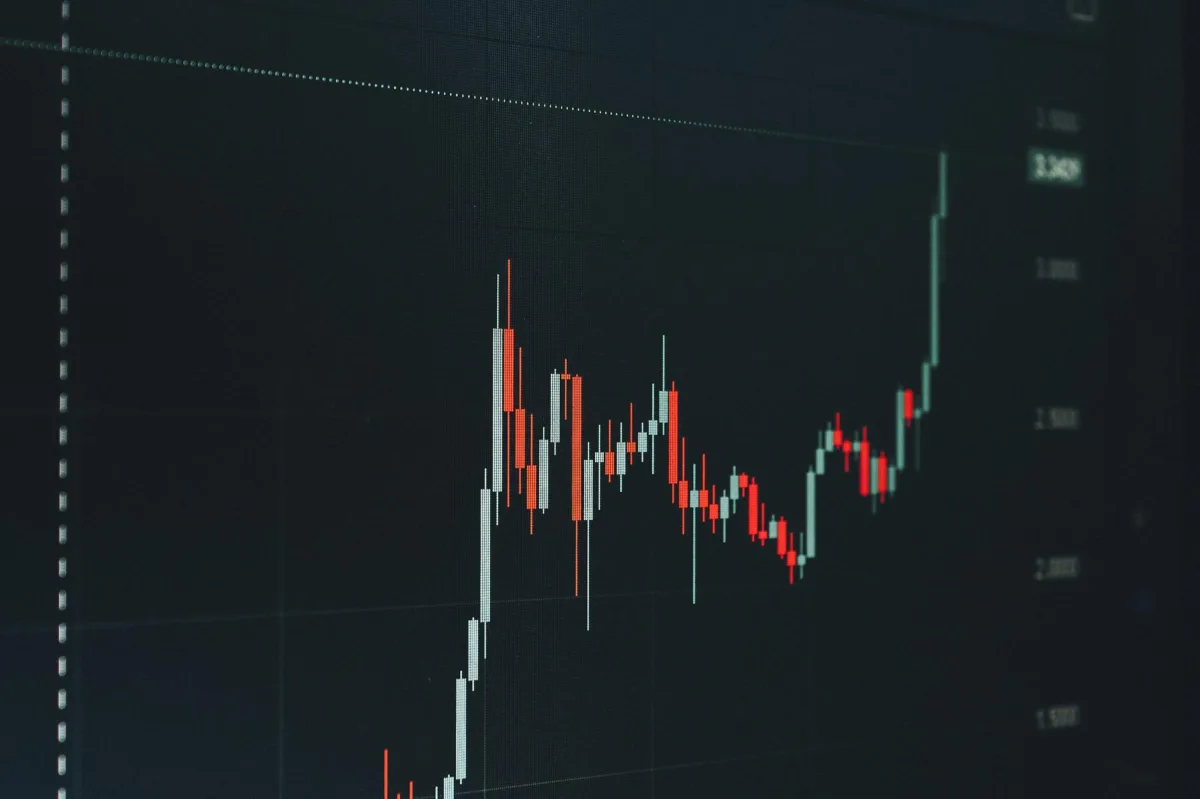








Investors in precious metals, particularly gold and silver, observed a period of pronounced volatility on May 11, 2026, as prices for both commodities demonstrated a tendency to remain range-bound amidst ongoing US-Iran peace talks and broader macroeconomic pressures. This market behavior, which saw gold futures register a notable drop, is a direct consequence of shifting geopolitical landscapes and domestic policy influences, impacting global and Indian markets from Chennai to Delhi.
Context: The Enduring Role of Precious Metals
Precious metals, primarily gold and silver, have long held a unique position in global finance, serving as traditional safe-haven assets during periods of economic turbulence, political instability, or inflationary concerns. Gold, in particular, is revered for its intrinsic value and its role as a hedge against currency devaluation and systemic risks. However, their market value is not static, constantly reacting to a complex interplay of global supply and demand dynamics, central bank monetary policies, the strength of major currencies like the US dollar, and prevailing geopolitical developments. A nuanced understanding of these multifaceted influences is crucial for interpreting current price movements and anticipating future trends.
Geopolitical Easing and Market Response
A primary driver behind the current range-bound outlook for precious metals is the discernible progress in US-Iran peace talks. Any perceived easing of diplomatic tensions or a significant reduction in geopolitical flashpoints typically diminishes the immediate demand for safe-haven assets like gold and silver. This sentiment directly contributes to the expectation that their prices will consolidate within a specific trading range, rather than experiencing the sharp upward spikes often seen during periods of heightened global uncertainty. Market analysts and investors alike are closely scrutinizing every diplomatic overture, as substantive positive outcomes from these talks could further temper the allure of traditional hedges, shifting investment focus towards riskier, growth-oriented assets.
Domestic Policies and Indian Market Dynamics
In India, the precious metals market experienced additional influences, including statements or policy directions from Prime Minister Modi’s administration. Such governmental actions can significantly impact domestic demand, import duties, and investor sentiment, leading to immediate price adjustments. For instance, recent market movements have prompted questions among investors regarding the stability of gold as an investment vehicle in the Indian context.
Gold Futures Indicate Downward Pressure
Adding to the nuanced market picture, gold futures registered a drop on May 11, 2026, with prices falling to approximately Rs 1,52,068 per 10 grams. This decline in futures contracts signals a bearish sentiment among traders regarding short-term price expectations. Such movements often reflect anticipatory trading based on perceived future supply, demand, and broader economic indicators.
Macroeconomic Environment and Interest Rates
Beyond geopolitics, the broader macroeconomic environment continues to exert pressure on precious metals. Factors such as global interest rate trajectories, inflation expectations, and the strength of the US dollar play pivotal roles. Higher interest rates, for example, typically increase the opportunity cost of holding non-yielding assets like gold, potentially diverting investment towards interest-bearing instruments. Conversely, persistent inflation could reignite safe-haven demand.
Regional Price Variations Across India
On May 11, 2026, consumers and investors across India observed varying gold rates, with prices for 18k, 22k, and 24k gold differing across major cities like Chennai, Mumbai, Delhi, and Kolkata. These regional discrepancies are common, influenced by local demand, taxes, transportation costs, and the pricing strategies of major retailers such as Malabar Gold & Diamonds and Joyalukkas. These daily updates are crucial for local buyers and sellers.
Expert Perspectives and Data Points
Market analysts widely concur that the immediate future for gold and silver is characterized by consolidation. “Prices are likely to trade within a defined corridor as conflicting signals pull the market in different directions,” noted one market strategist, referencing the dual impact of easing geopolitical fears and persistent macroeconomic uncertainties. The specific drop in gold futures to Rs 1,52,068/10g on the Multi Commodity Exchange (MCX) underscores this immediate downward pressure, even as physical gold prices fluctuate. This data point offers a tangible measure of investor sentiment in the derivatives market.
Implications and What to Watch Next
For investors navigating this complex landscape, the current range-bound environment presents a dual challenge and opportunity. Short-term traders might capitalize on the inherent price fluctuations within the established corridor, employing agile strategies. Conversely, long-term holders of precious metals may need to meticulously re-evaluate their portfolio allocations, considering the evolving global economic and political conditions that temper traditional safe-haven rallies. The stability or further decline in precious metals prices hinges critically on the tangible progression of US-Iran peace talks; any definitive breakthrough could significantly diminish gold’s safe-haven appeal. Conversely, a sudden breakdown in negotiations or an unforeseen escalation of other geopolitical tensions could swiftly reverse the current trend, reigniting demand. Beyond geopolitics, investors should diligently monitor upcoming central bank policy statements, particularly regarding interest rates, alongside critical inflation reports and key economic indicators from major global economies. These macroeconomic signals will provide essential clarity on the broader trajectory influencing precious metals. Furthermore, the specific impact of domestic policies in large consuming nations like India will remain a vital watchpoint for market participants in the coming months, shaping regional demand and pricing dynamics.