









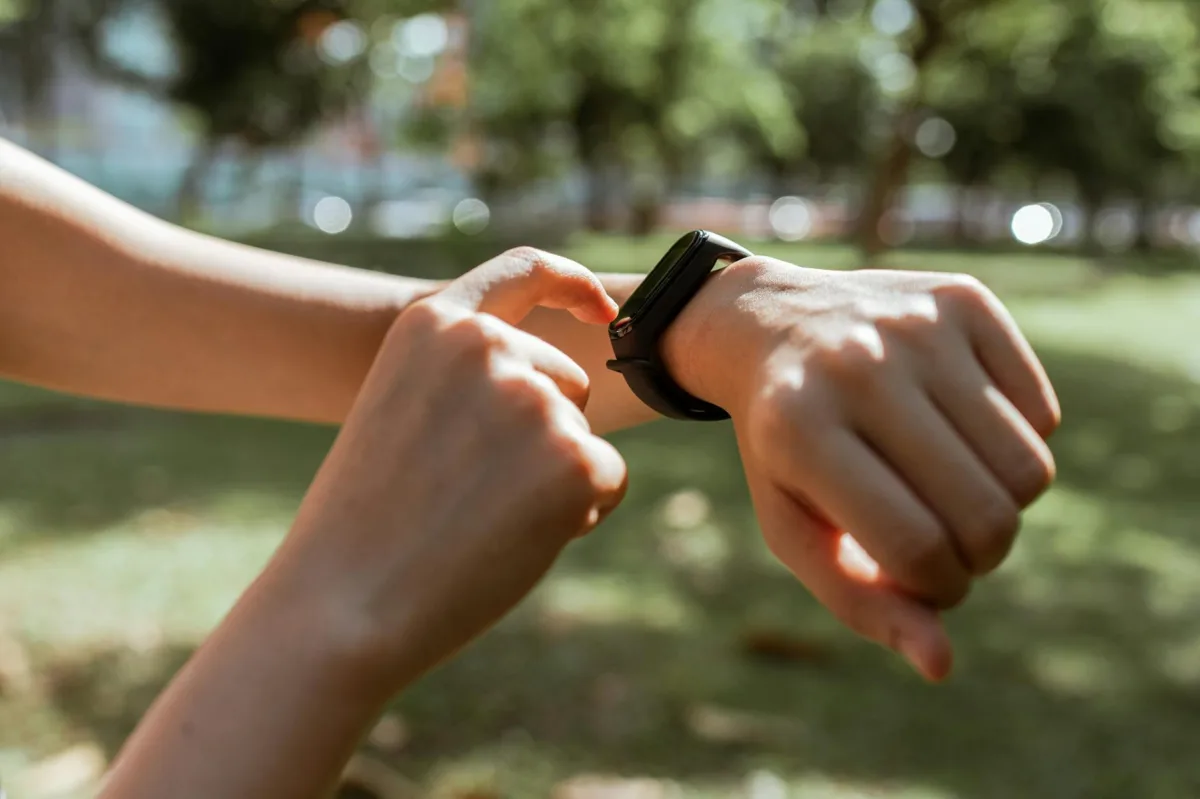
Google’s Fitbit division recently unveiled the all-new Fitbit Air, a lightweight, AI-powered, screen-free fitness tracker priced at $99 USD, marking a strategic pivot towards minimalist health monitoring and signaling a deeper integration into the Google Health ecosystem with the impending replacement of the Fitbit app by Google Health starting May 19.
Context: The Evolving Wearable Landscape
The introduction of Fitbit Air comes at a time when the wearable technology market is experiencing significant evolution. Once dominated by smartwatches with extensive display functionalities, there’s a growing segment of users seeking simpler, data-focused devices. Fitbit, acquired by Google in 2021, has historically been a pioneer in consumer fitness tracking, offering a range of devices from basic trackers to advanced smartwatches. This new offering positions Fitbit to directly challenge the burgeoning market for screen-free trackers, notably popularized by brands like Whoop, which emphasize continuous data collection and AI-driven insights over on-device displays.
The move also aligns with Google’s broader strategy to consolidate its health and wellness offerings. The transition from the standalone Fitbit app to Google Health, effective May 19, aims to create a more unified platform for users to manage their health data, integrating insights from various sources, including the new Fitbit Air, under a single Google umbrella.
Fitbit Air: A Shift Towards Intelligent Minimalism
The Fitbit Air is designed to be worn discreetly, prioritizing comfort and continuous data capture over visual interaction. Its screen-free design is a deliberate choice, intended to reduce distractions and encourage users to focus on the raw health data and insights provided through the companion app. Weighing significantly less than many traditional trackers, it aims to be an almost imperceptible presence on the wrist.
At the core of the Fitbit Air’s functionality is its AI-powered tracking. While specific details on the AI algorithms are still emerging, the device is expected to leverage advanced machine learning to interpret biometric data more effectively. This includes monitoring activity levels, sleep patterns, heart rate variability, and potentially stress indicators, providing personalized recommendations and predictive insights rather than just raw numbers. This intelligent analysis is a key differentiator, aiming to offer actionable guidance for improving overall well-being.
Comparisons to Whoop are inevitable given the similar screen-free philosophy. While both focus on comprehensive data, the Fitbit Air’s $99 price point makes it significantly more accessible than Whoop’s subscription-based model, potentially opening up this segment of the market to a wider audience. Android Central notes that the device works by continuously collecting data, then syncing it to the Google Health app for detailed analysis and personalized feedback, contrasting with the immediate on-device display of typical smartwatches.
Google Health Integration: A Unified Ecosystem
The mandated migration of Fitbit app users to Google Health from May 19 represents a pivotal moment for Google’s long-term health strategy. This consolidation suggests an ambition to create a centralized hub for all personal health data, irrespective of the device used. For Fitbit Air users, this means their detailed biometric information, activity logs, and AI-driven insights will reside within the Google Health platform, alongside other potential health data sources.
This integration promises a more holistic view of a user’s health profile. By bringing together data from wearables, and potentially other health applications or medical records in the future, Google Health aims to offer more comprehensive insights and personalized recommendations. The move streamlines the user experience, eliminating the need to navigate between multiple apps for different health metrics and fostering a more cohesive digital health journey.
Implications and What’s Next
The launch of Fitbit Air and the concurrent shift to Google Health carry significant implications for consumers and the wearable tech industry. For consumers, it signals a trend towards less intrusive, more intelligent health monitoring, where the focus is on understanding and acting upon data rather than simply collecting it. The competitive pricing of Fitbit Air could also democratize access to advanced, AI-driven fitness tracking, making it available to a broader demographic.
For the industry, Google’s move intensifies competition in the minimalist tracker segment and reinforces the importance of AI and data interpretation in wearable technology. Companies might increasingly shift their focus from hardware features to the intelligence and actionable insights their platforms can provide. This strategy also positions Google to potentially expand its health services further, leveraging its vast AI capabilities and user base to offer more sophisticated, personalized health and wellness solutions within the unified Google Health ecosystem. Future developments could include deeper integration with third-party health providers, more advanced predictive analytics, and enhanced personalized coaching, all driven by the continuous flow of data from devices like the Fitbit Air.