








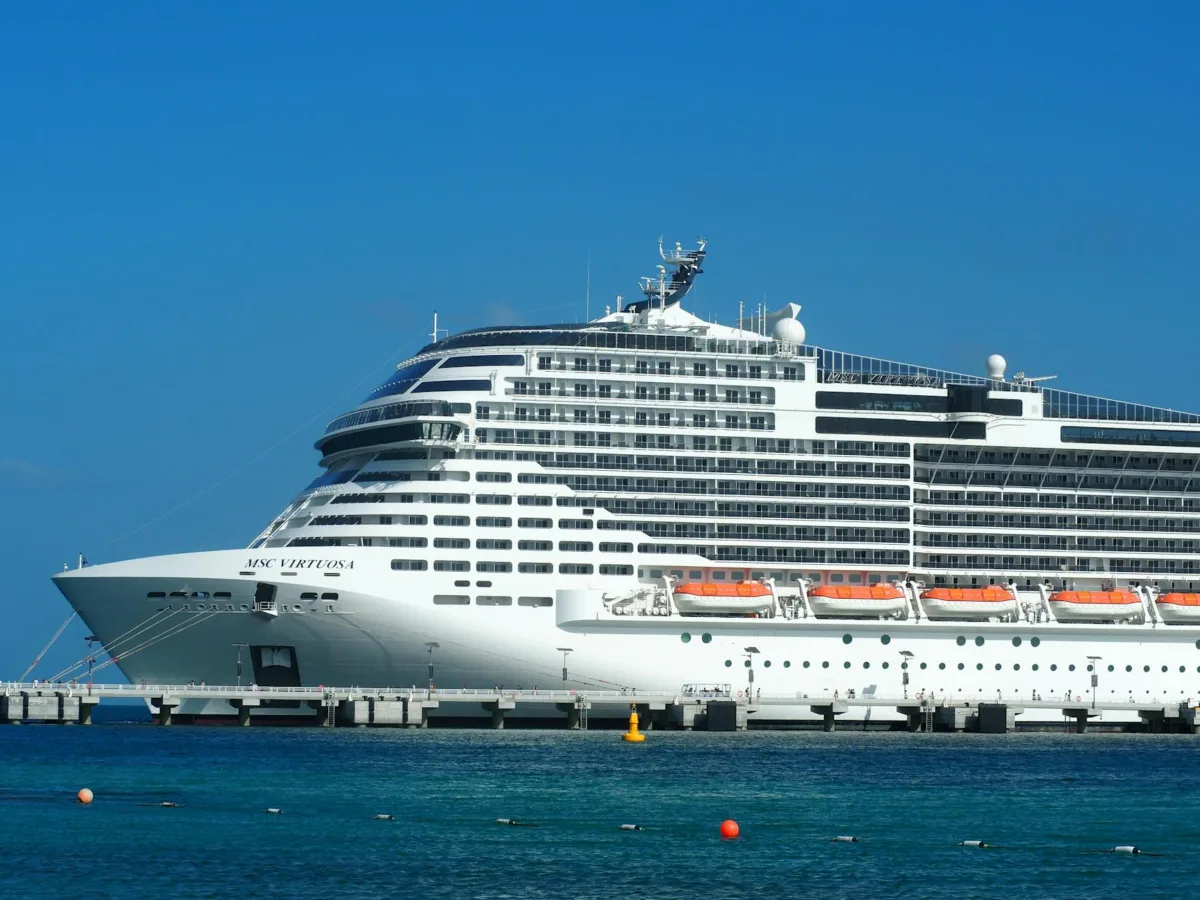
Over 100 passengers and crew members aboard the Caribbean Princess cruise ship recently fell ill with norovirus, a highly contagious gastrointestinal illness, prompting immediate health protocols and raising significant concerns about public health on maritime voyages. The outbreak occurred during a recent sailing in the Caribbean, with affected individuals experiencing acute symptoms including vomiting, diarrhea, and stomach cramps, leading to swift isolation measures and enhanced sanitation efforts across the vessel.
Understanding Norovirus and Cruise Ship Vulnerability
Norovirus is a common and highly infectious pathogen, often dubbed the “winter vomiting bug,” though it can strike year-round. It is the leading cause of acute gastroenteritis worldwide, characterized by its sudden onset and rapid spread. The virus is incredibly resilient, capable of surviving on surfaces for extended periods, and only a small number of viral particles are needed to cause infection. This makes environments with close human contact, such as schools, hospitals, and particularly cruise ships, highly susceptible to outbreaks.
Cruise ships, despite their modern amenities and usually rigorous cleaning schedules, present a unique challenge for infection control. Thousands of people from diverse geographical locations gather in a relatively confined space, sharing dining areas, recreational facilities, and cabins. Historically, norovirus has been a persistent concern for the cruise industry, with occasional outbreaks making headlines. These incidents highlight the delicate balance between providing a luxurious travel experience and maintaining an impeccable public health environment. This specific outbreak on the Caribbean Princess also came on the heels of unrelated discussions and media attention regarding Hantavirus, underscoring a broader public sensitivity to infectious diseases in travel settings, though Hantavirus is not transmitted person-to-person and was not involved in this norovirus incident.
Detailed Response and Containment Efforts
The outbreak on the Caribbean Princess necessitated a rapid and comprehensive response from Princess Cruises. Upon identification of the surge in gastrointestinal illnesses, the ship’s medical team swiftly initiated protocols to manage the situation. Affected passengers and crew were isolated in their cabins to prevent further transmission, receiving medical care and support. Ship staff immediately intensified sanitation measures far beyond routine cleaning. This included frequent deep cleaning and disinfection of all common areas, such as dining rooms, lounges, restrooms, and elevators, using hospital-grade disinfectants known to be effective against norovirus. High-touch surfaces were targeted with particular emphasis, and extra hand sanitizing stations were deployed, although handwashing with soap and water remains the most effective defense against norovirus.
Food service protocols were also adjusted, potentially moving to crew-served buffets or individual meal delivery to minimize potential contamination. Passengers were consistently reminded through public announcements and informational flyers about the importance of rigorous hand hygiene and reporting any symptoms immediately. The U.S. Centers for Disease Control and Prevention’s (CDC) Vessel Sanitation Program (VSP) typically plays a crucial role in monitoring such events. The VSP works with cruise lines to prevent and control the introduction, transmission, and spread of gastrointestinal illnesses on cruise ships. While specific details of the CDC’s ongoing investigation into this particular outbreak are not fully public, such oversight ensures that cruise lines adhere to established public health guidelines and implement effective control measures.
Expert Perspectives and Comparative Insights
“Norovirus is an extremely challenging pathogen to contain in any communal setting, and cruise ships are no exception,” explains Dr. Lena Hanson, an infectious disease specialist and professor of public health. “Its high infectivity, environmental persistence, and short incubation period mean it can spread like wildfire if not immediately and aggressively addressed. Even with the best protocols, one infected individual can quickly become many.” Dr. Hanson emphasizes that while cruise lines invest heavily in sanitation, the sheer volume of transient populations introduces a constant variable.
The public often conflates various viral threats, but understanding their differences is crucial. The recent chatter around Hantavirus, for instance, involves a completely different mode of transmission—primarily through contact with rodent droppings—and poses virtually no person-to-person risk on a cruise ship. Similarly, norovirus, an enteric virus, differs significantly from respiratory viruses like COVID-19. While both are highly contagious, their primary transmission routes (fecal-oral for norovirus, airborne droplets for COVID-19) and symptomatic presentations are distinct, requiring different public health strategies. Data from the CDC’s Vessel Sanitation Program shows that while the number of norovirus outbreaks on cruise ships has fluctuated, they remain a recurring challenge, with incidents often peaking during colder months when people are more susceptible to indoor transmission.
Forward-Looking Implications for Travelers and Industry
This norovirus outbreak on the Caribbean Princess serves as a potent reminder for both the cruise industry and prospective travelers. For the industry, it reinforces the need for continuous vigilance, investment in advanced sanitation technologies, and robust emergency response plans. Cruise lines may face increased scrutiny from public health authorities and potentially a temporary dip in consumer confidence, necessitating transparent communication and demonstrable commitment to passenger well-being. The incident could also spur further innovations in passenger health screening prior to boarding and more effective ways to enforce health advisories during voyages.
For travelers, the key takeaway is preparedness and personal responsibility. While cruise lines strive for safety, passengers should proactively protect themselves by practicing stringent hand hygiene, especially before eating and after using restrooms. They should also be mindful of potential symptoms and report them immediately, not only for their own health but to prevent wider spread. Choosing a cruise line with a strong track record in health and safety, and being aware of the CDC’s VSP inspection scores, can also be a proactive step. As the global travel landscape continues to evolve, the ability of cruise lines to effectively manage and mitigate infectious disease risks will remain paramount to their long-term success and the trust of their passengers.