








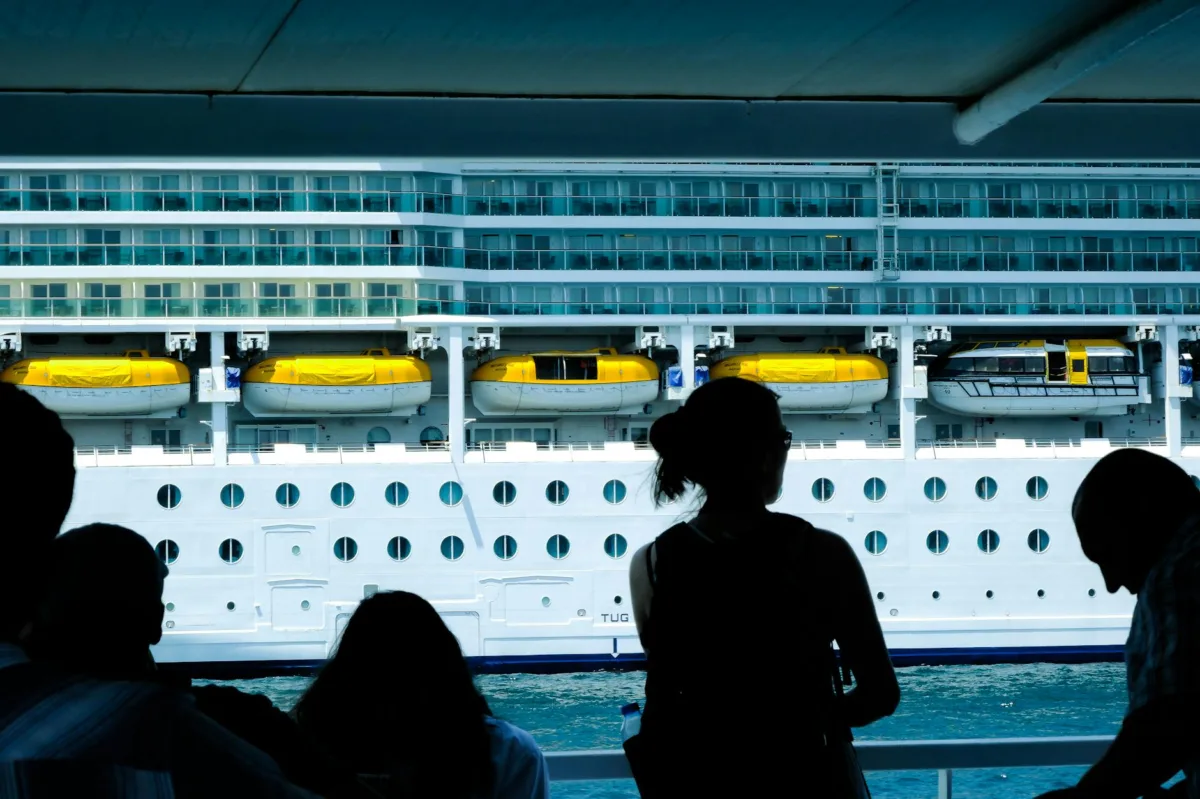
Over 100 passengers and crew recently fell ill with norovirus aboard the Caribbean Princess cruise ship, sparking global concern and reigniting discussions about public health protocols in confined travel environments.
Understanding Norovirus: A Persistent Threat
Norovirus is a highly contagious gastrointestinal illness characterized by symptoms such as vomiting, diarrhea, and stomach cramps. It spreads rapidly through direct contact with an infected person, contaminated food or water, or by touching contaminated surfaces. Often dubbed the “winter vomiting bug,” it is a common cause of foodborne illness and outbreaks, particularly in close quarters like schools, nursing homes, and cruise ships.
The virus is resilient, capable of surviving on surfaces for extended periods and resistant to many common disinfectants. Its low infectious dose means only a few viral particles are needed to cause illness, contributing to its rapid spread. While generally not life-threatening for healthy individuals, it can lead to severe dehydration, especially in young children, the elderly, and immunocompromised individuals.
Recent media attention has also highlighted other viral threats, such as Hantavirus. However, norovirus differs significantly from Hantavirus, which is primarily spread through contact with rodents or their droppings and is not typically transmitted person-to-person. This distinction is crucial for understanding the specific public health response required for each pathogen.
The Caribbean Princess Incident: Details and Response
The recent outbreak on the Caribbean Princess, operated by Princess Cruises, saw more than 100 individuals report symptoms consistent with norovirus. The vessel was midway through its itinerary when the cluster of illnesses emerged, prompting immediate and stringent action from the ship’s medical and sanitation teams.
In response to the outbreak, Princess Cruises implemented enhanced sanitation protocols across the ship. These measures typically include increased cleaning and disinfection of high-touch surfaces, isolation of sick passengers and crew, and heightened vigilance in food preparation and handling. Such protocols are standard practice in the cruise industry when infectious diseases are detected, aiming to contain the spread and protect the health of all on board.
Data from the U.S. Centers for Disease Control and Prevention (CDC) indicates that cruise ships report a small number of gastrointestinal illness outbreaks each year, with norovirus being the most common culprit. For instance, the CDC’s Vessel Sanitation Program (VSP) monitors and inspects cruise ships to prevent and control the introduction, transmission, and spread of gastrointestinal illnesses.
Industry Perspectives and Prevention Strategies
Public health experts emphasize that while cruise ships have robust sanitation programs, the nature of norovirus makes complete eradication challenging. Dr. Emily Peterson, an epidemiologist specializing in infectious diseases, stated, “Norovirus is incredibly hardy and highly contagious. Even with the best protocols, a single infected individual can quickly initiate an outbreak in a confined environment. The key is rapid identification, isolation, and aggressive sanitation to break the chain of transmission.”
Cruise lines continuously refine their health and safety policies, often exceeding land-based standards. A spokesperson for the Cruise Lines International Association (CLIA) noted, “The health and safety of passengers and crew are paramount. Our members invest heavily in advanced sanitation technologies, rigorous crew training, and comprehensive medical facilities. Outbreaks, while unfortunate, serve as reminders to continuously review and enhance these critical measures.”
Prevention strategies for passengers include frequent handwashing with soap and water, especially after using the restroom and before eating. Alcohol-based hand sanitizers can be used but are less effective against norovirus compared to soap and water. Passengers feeling unwell are advised to report symptoms immediately to the ship’s medical staff and avoid public areas to prevent further transmission.
Implications for Travelers and the Cruise Sector
The Caribbean Princess incident underscores the persistent challenge norovirus poses to the global travel industry, particularly cruise lines. For travelers, it highlights the importance of personal hygiene and awareness of health advisories when planning vacations. Booking flexibility and travel insurance that covers illness-related disruptions are also becoming increasingly important considerations.
For the cruise sector, these outbreaks necessitate ongoing investment in public health infrastructure and transparent communication with passengers and regulatory bodies. Maintaining public trust hinges on demonstrating proactive measures and effective response mechanisms. Industry leaders will likely continue to explore innovative sanitation technologies and refine passenger screening processes.
Looking ahead, the incident reinforces the need for continuous vigilance. Public health authorities will maintain close collaboration with cruise lines to monitor outbreaks and disseminate best practices. Travelers should anticipate seeing continued emphasis on health declarations and enhanced onboard sanitation as standard operating procedures, ensuring that the enjoyment of sea travel remains a priority while mitigating health risks.