









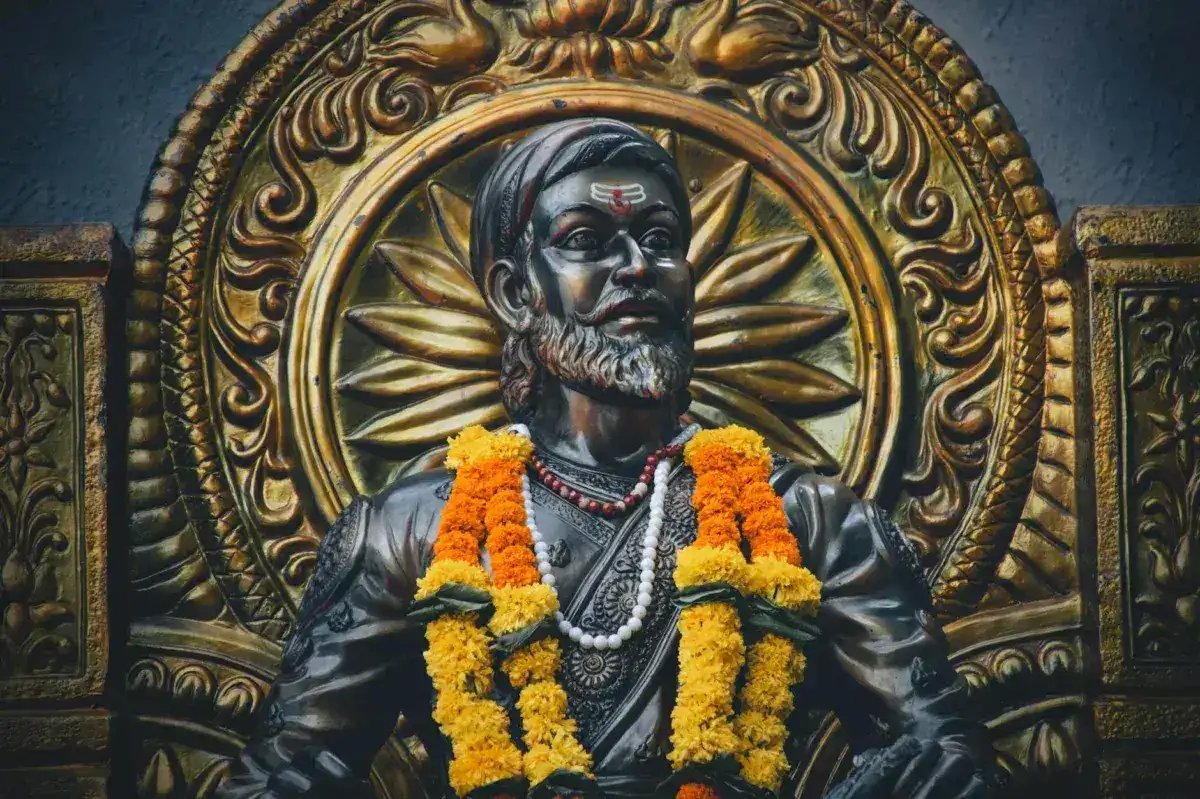
Riteish Deshmukh’s period drama ‘Raja Shivaji’ has achieved monumental success at the Indian box office, crossing the impressive Rs. 80-crore mark within just 10 days of its release as of early May 2026, solidifying its position as the third highest-grossing Marathi film of all time. The film’s robust performance, marked by a strong second weekend and consistent collections, underscores a significant surge in regional cinema’s commercial viability and audience appeal across the nation.
Context: The Rise of Marathi Cinema
The Marathi film industry, historically a vibrant but often niche segment of Indian cinema, has been steadily gaining mainstream traction and commercial muscle over the past decade. Films like ‘Sairat’ and ‘Ved’ previously shattered box office records, demonstrating that compelling storytelling, high production values, and strong performances in regional languages can resonate with a broad audience base, extending beyond traditional linguistic boundaries.
This resurgence is attributed to a combination of factors, including enhanced distribution networks, increased digital penetration, and a growing appetite among viewers for diverse, culturally rooted narratives. ‘Raja Shivaji’ enters this dynamic landscape, building on the foundation laid by its predecessors and pushing the boundaries of what a Marathi film can achieve commercially.
‘Raja Shivaji’ Dominates the Box Office
‘Raja Shivaji’, starring and produced by Riteish Deshmukh, has captivated audiences with its epic portrayal of a revered historical figure. The film’s box office journey has been nothing short of spectacular, demonstrating exceptional staying power even in its second week.
Initial reports indicated the film was nearing the Rs. 70-crore milestone by its eleventh day, a benchmark it quickly surpassed. By its tenth day, the film had already accumulated over Rs. 80 crore across India, as reported by Telegraph India, showcasing remarkable growth and audience engagement.
The film’s strong second weekend, noted by Hindustan Times, was crucial in consolidating its box office standing, defying the typical drop-off rates seen in many new releases. This consistent collection pattern highlights positive word-of-mouth and a sustained interest from moviegoers.
A significant achievement for ‘Raja Shivaji’ is its ascension to the third spot among all-time highest-grossing Marathi films, surpassing the previous record held by ‘Ved’. This milestone not only cements its place in Marathi cinematic history but also underscores the increasing financial success regional films can command.
Expert Perspectives and Data Points
Industry analysts point to ‘Raja Shivaji’s’ success as a testament to the power of well-executed historical dramas and star power in regional cinema. The film’s ability to draw large crowds consistently, even amidst competition from other releases like ‘Daadi Ki Shaadi’ and ‘Krishnavataram’ as per India TV News box office reports, indicates a strong connection with its target audience.
The film’s impressive Rs. 80-crore collection in just 10 days puts it in an elite category, signaling robust ticket sales and strong occupancy rates across Maharashtra and other regions with a significant Marathi-speaking population. This performance suggests that strategic marketing, coupled with a compelling narrative and a well-known lead, can yield substantial commercial returns for regional productions.
Data from box office trackers confirms that ‘Raja Shivaji’ has maintained a healthy average collection per day, a critical indicator of a film’s long-term commercial viability. Its consistent performance far into its run suggests that it has successfully tapped into both the loyal Marathi audience base and potentially wider demographics interested in historical epics.
Implications for the Industry
The extraordinary success of ‘Raja Shivaji’ holds significant implications for the future of Marathi cinema and the broader Indian film industry. Firstly, it reinforces the growing trend of regional films achieving pan-Indian commercial success, encouraging more investment and larger-scale productions in various regional languages.
For Riteish Deshmukh, this film marks another major triumph, solidifying his position not just as a prominent actor but also as a successful producer capable of delivering blockbuster regional content. His involvement likely played a crucial role in attracting both funding and audience attention.
Furthermore, ‘Raja Shivaji’s’ record-breaking run could inspire a new wave of filmmakers to explore historical and culturally significant narratives, confident in their commercial appeal. This could lead to a richer, more diverse cinematic landscape with stories rooted in India’s vast history and regional identities.
Moving forward, industry watchers will be keenly observing if ‘Raja Shivaji’ can climb even higher in the all-time Marathi grosser list, potentially challenging the top two spots. Its continued performance will also serve as a benchmark for upcoming regional releases, setting a new standard for box office expectations and demonstrating the immense potential of regional content in the evolving Indian entertainment market.