









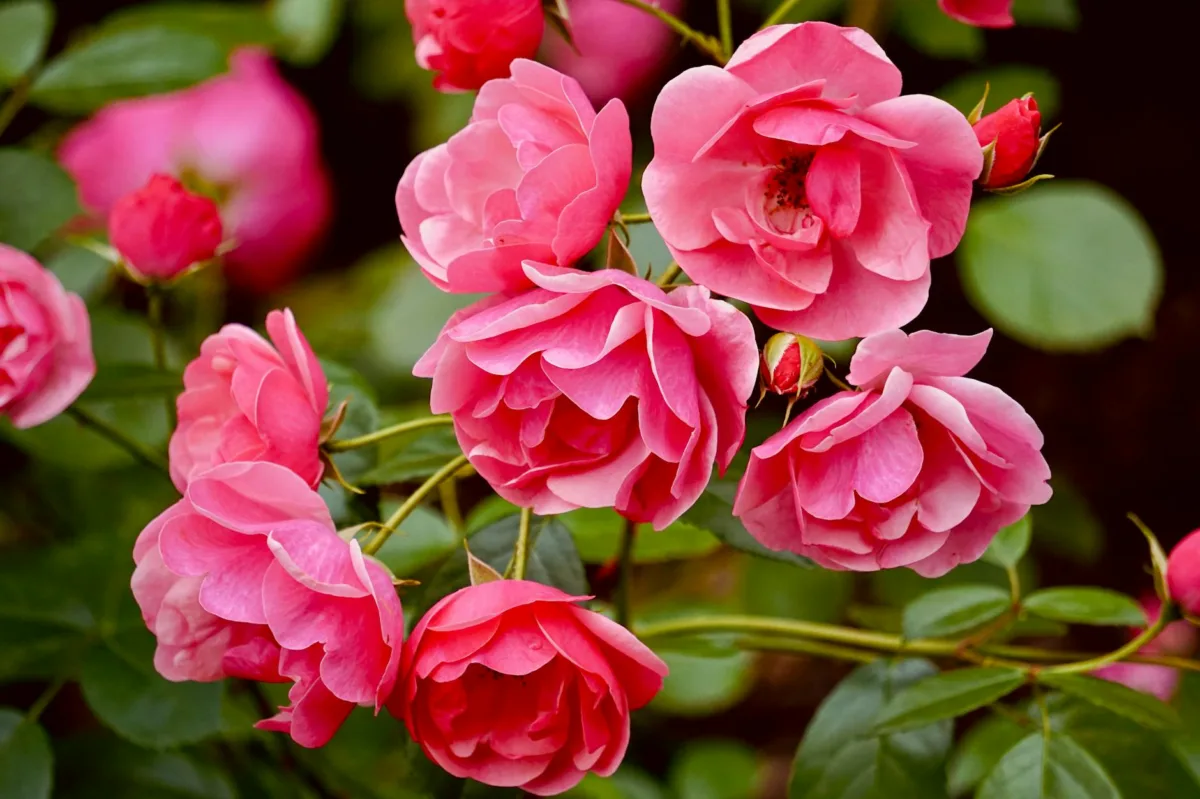
The rose, a flower with a documented history stretching back an astonishing 35 million years, continues to captivate humanity worldwide, serving as a powerful symbol of love, secrecy, and scientific intrigue from ancient civilizations to modern space exploration. Its enduring presence underscores a profound cultural and biological resilience that fascinates historians, botanists, and perfumers alike, making it a subject of continuous study and admiration across millennia and continents.
A Timeless Bloom: Tracing the Rose’s Ancient Roots
Fossil evidence firmly places the rose’s origins in prehistoric times, cementing its status as a truly ancient species that predates much of recorded human history. This deep lineage explains its pervasive symbolism across diverse cultures and belief systems, where its beauty has consistently been intertwined with profound meanings.
Ancient goddesses like Isis, Aphrodite, and Venus revered the rose, linking it intrinsically to themes of love, beauty, and renewal, a connection still celebrated globally on Valentine’s Day. Greek mythology further entwines the rose with divine narratives, with Aphrodite reportedly creating the flower from her tears and the blood of Adonis, cementing its sacred status in early Western thought. The flower also holds significant spiritual weight, notably as a symbol of the Virgin Mary in Christian tradition.
Beyond Romance: Historical Power and Secrecy
Beyond its romantic symbolism, the rose has historically been a tool of influence and a keeper of secrets, demonstrating its versatility in human affairs. Cleopatra famously filled her living quarters with rose petals, creating an unforgettable sensory experience for Marc Antony, a strategic move designed to evoke lasting memories of her opulence and influence.
In the 1800s, Empress Josephine, Napoleon’s wife, cultivated an unparalleled collection of roses at Château de Malmaison, transforming it into a world-renowned garden. This extensive collection became the muse for Pierre Joseph Redouté, whose 1824 watercolor collection,