







The Indian government has officially notified the implementation of the Viksit Bharat – Gramin Rozgar Abhiyan Grameen (VB-G RAM G) Act, effective July 1, across rural regions of the country. This new legislative framework is set to replace the Mahatma Gandhi National Rural Employment Guarantee Act (MGNREGA), promising an enhanced guarantee of 125 days of rural employment per household annually.
The Predecessor: MGNREGA’s Enduring Legacy
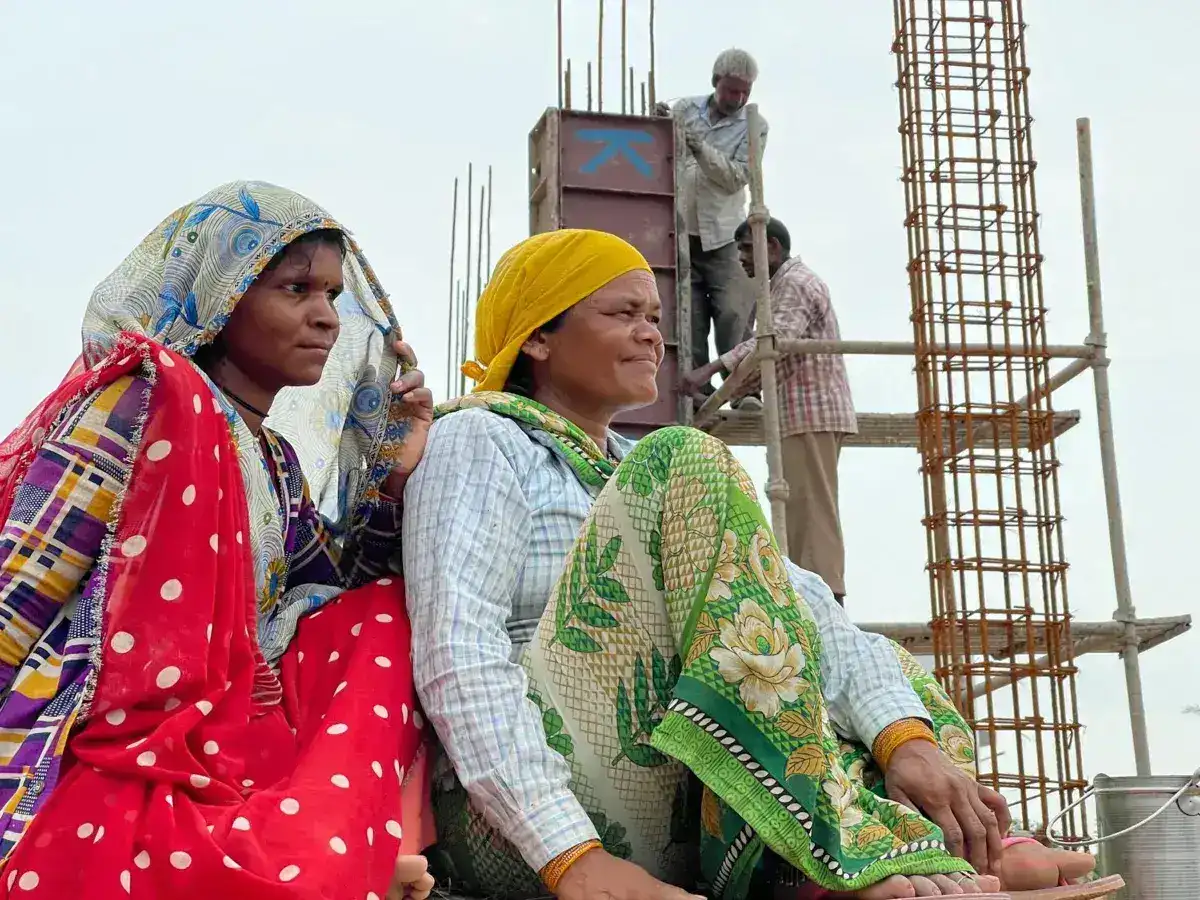
For nearly two decades, MGNREGA has served as a cornerstone of India’s rural welfare policy. Launched in 2005, its primary objective was to enhance livelihood security in rural areas by guaranteeing 100 days of wage employment in a financial year to every rural household whose adult members volunteer to do unskilled manual work.
The scheme played a crucial role in providing a safety net for millions, particularly during economic downturns and agricultural distress. It empowered rural communities, reduced distress migration, and facilitated the creation of various rural assets, from water conservation structures to rural roads.
Despite its widespread impact, MGNREGA also faced persistent challenges. Issues such as delayed wage payments, administrative inefficiencies, insufficient fund allocation, and concerns over the quality of assets created have frequently been highlighted by various reports and audits.
Introducing VB-G RAM G: A New Chapter in Rural Employment
The new Viksit Bharat – G RAM G Act signals a strategic shift in the government’s approach to rural employment and development. While retaining the core principle of providing guaranteed employment, it expands the scope by increasing the job guarantee from 100 to 125 days.
This increment aims to offer greater financial stability to rural households, addressing a long-standing demand for more workdays. The act is envisioned to align more closely with the broader vision of a ‘Viksit Bharat’ or Developed India, potentially emphasizing works that contribute directly to sustainable rural infrastructure and economic growth.
Details emerging from government notifications suggest a renewed focus on productivity and asset creation. The types of works permissible under VB-G RAM G are expected to be geared towards fostering long-term development and enhancing the productive capacity of rural areas.
Key Differences and Enhanced Focus
The transition from MGNREGA to VB-G RAM G is not merely a name change but signifies an evolution in policy design. The most immediate and tangible difference is the extended employment guarantee, offering 25 additional days of work.
While MGNREGA primarily focused on providing a basic safety net, VB-G RAM G appears to integrate employment generation with specific developmental goals. This could mean a more targeted approach to projects, potentially including skill-enhancing works or those linked to local economic ecosystems.
Administrative reforms and technological integrations are also anticipated to streamline operations, improve transparency, and ensure more efficient fund disbursement. The government aims to address the bottlenecks that plagued the previous scheme, promising a more robust and responsive framework.
Expert Perspectives and Transition Concerns
The announcement has garnered attention from policymakers and experts alike. A parliamentary panel chief, among others, has voiced a critical perspective, advocating for a phased transition rather than an immediate, nationwide rollout of VB-G RAM G.
This call for a gradual implementation stems from concerns that an abrupt shift could lead to operational disruptions, confusion among beneficiaries, and administrative challenges at the grassroots level. A phased approach, experts argue, would allow for pilot programs, necessary adjustments, and capacity building for local administrations.
Ensuring a seamless migration of existing MGNREGA workers and projects to the new framework without compromising their livelihood security remains a key challenge. Stakeholders emphasize the importance of clear guidelines, extensive communication campaigns, and adequate training for officials involved in the implementation.
Implications for Rural India and the Economy
The successful implementation of VB-G RAM G holds significant implications for rural India. The increased job guarantee could lead to a tangible boost in rural incomes, potentially stimulating local economies and reducing poverty levels.
By focusing on development-oriented works, the act could contribute to the creation of more durable and beneficial community assets, ranging from improved irrigation facilities to better rural connectivity. This, in turn, could enhance agricultural productivity and foster overall rural development.
Economically, a robust rural employment guarantee scheme can act as a counter-cyclical measure, providing crucial support during periods of economic slowdown or environmental shocks. It also has the potential to mitigate distress migration to urban centers by offering stable employment opportunities locally.
What remains to be closely watched is how effectively the new framework addresses the long-standing issues of wage delays and administrative transparency. The government’s commitment to leveraging technology and strengthening monitoring mechanisms will be crucial in ensuring the scheme’s success and maximizing its impact on the ground. The coming months will provide critical insights into the operational efficacy and true transformative potential of the Viksit Bharat – G RAM G Act as it takes root across rural India.