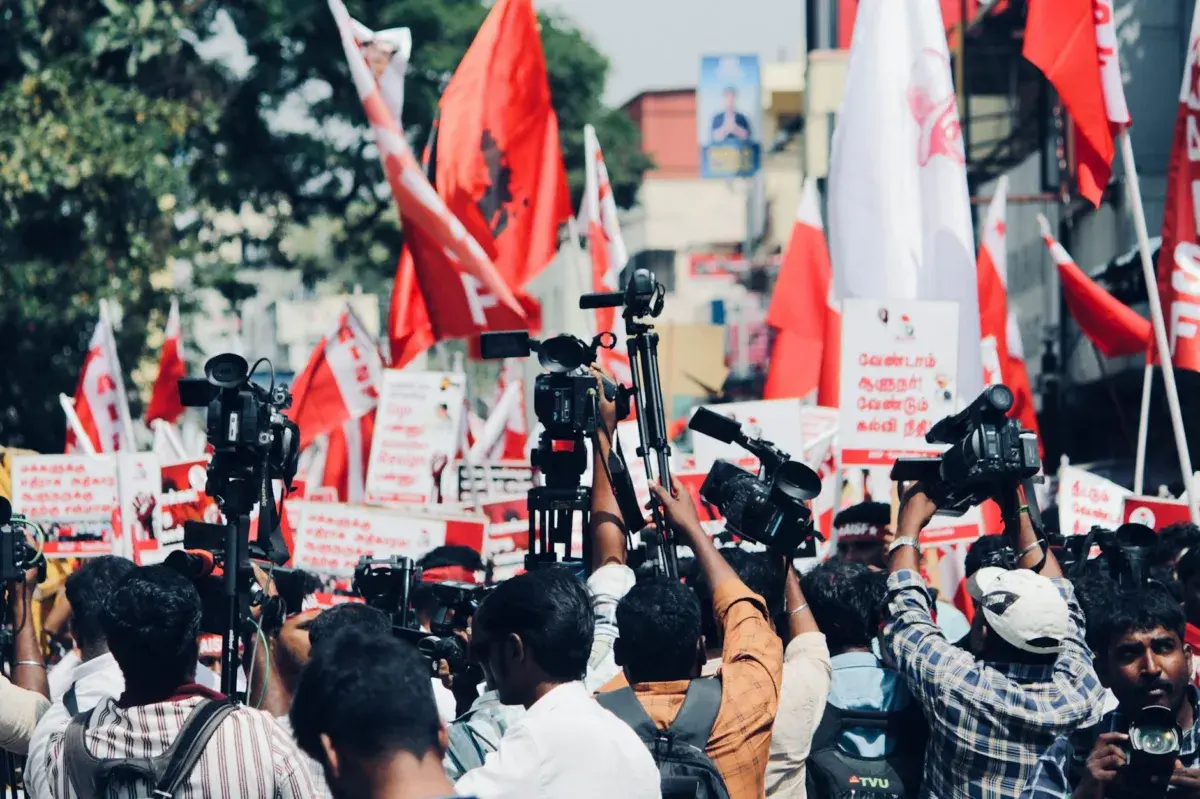









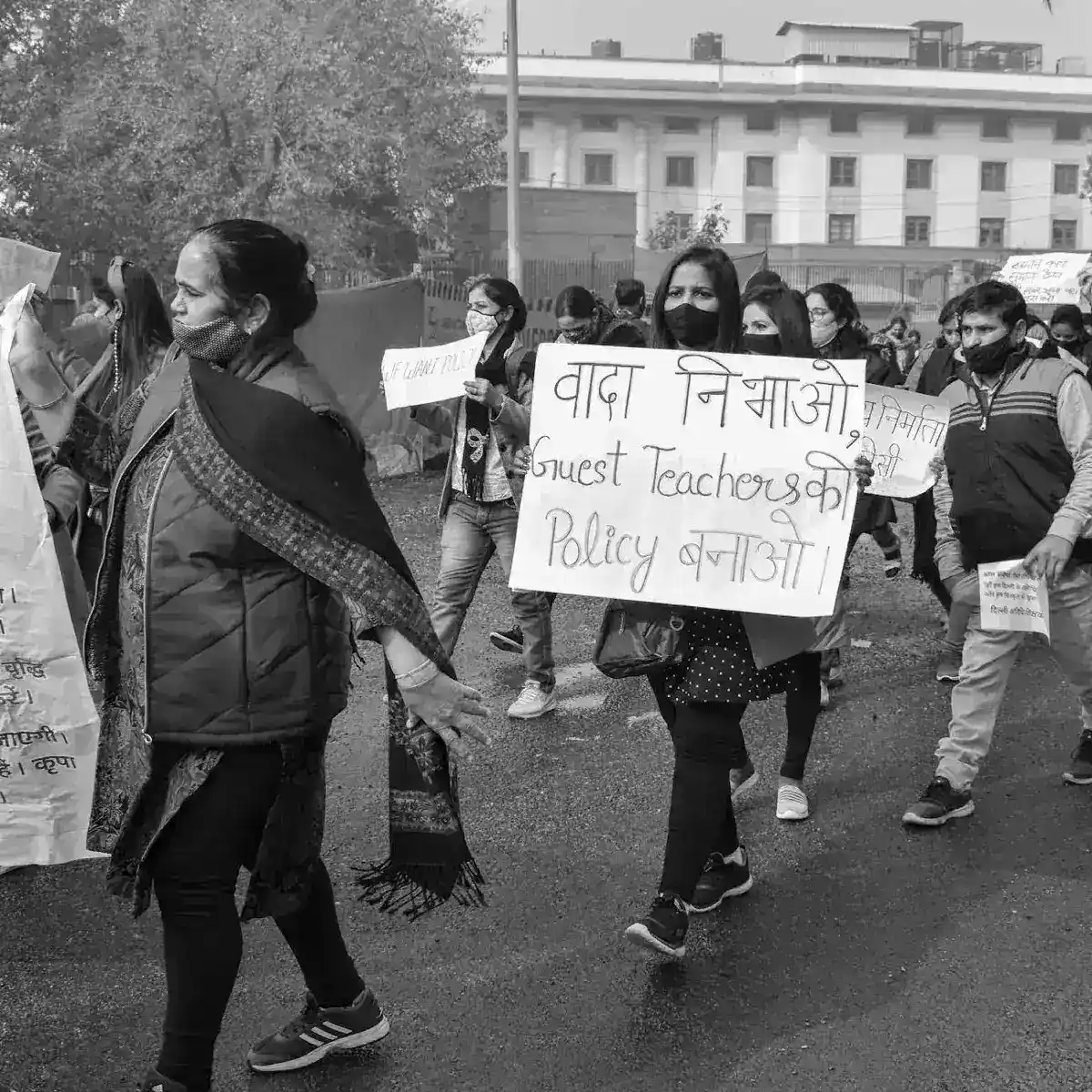
The National Testing Agency (NTA) and the Indian government faced intense scrutiny and widespread student protests following the alleged paper leak of the NEET-UG 2026 examination, a crucial medical entrance test, leading to its cancellation by the NTA amidst national outrage and a Supreme Court hearing. This crisis, unfolding across India in 2024, has ignited a national debate over the integrity of competitive examinations and the future of millions of aspiring medical students.
Context: The Crucible of Indian Medical Aspirations
The National Eligibility cum Entrance Test (Undergraduate), or NEET-UG, stands as the paramount examination for aspiring medical professionals in India, governing admissions to undergraduate MBBS and BDS courses nationwide. Conducted by the National Testing Agency (NTA), this single examination is a make-or-break event for millions of students.
Each year, over two million candidates vie for a limited number of seats, dedicating years to rigorous preparation, often under immense financial and psychological pressure. The integrity of NEET-UG is thus not merely an administrative concern but a cornerstone of social mobility and the nation’s healthcare future. The NTA, established in 2017 to streamline and standardize major entrance examinations, bears the critical responsibility of ensuring these tests are conducted fairly and transparently, free from any compromise.
The Scandal Unfolds: Leak, Protests, and Cancellation
The controversy surrounding the NEET-UG 2026 examination ignited with credible reports of a widespread paper leak. A subsequent investigation by the Central Bureau of Investigation (CBI) quickly uncovered details of a sophisticated operation: the handwritten question paper was allegedly scanned and then illicitly circulated.
Disturbingly, reports indicated that desperate students or their families paid substantial sums, reportedly “in lakhs,” to gain access to these compromised papers, underscoring the high stakes and the pervasive nature of the corruption. Initially, the NTA and the government resisted calls for the examination’s cancellation in the Supreme Court, arguing that such a drastic step would penalize the vast majority of honest students.
However, the groundswell of student protests, spreading across major Indian cities and resonating with the poignant cry, “Government Does Not Care About Our Future,” proved undeniable. Faced with mounting public pressure and judicial scrutiny, the NTA eventually reversed its stance, announcing the cancellation of the examination and promising a re-test. This decision, while a necessary acknowledgment of the breach, plunged millions of students and their families into a state of profound uncertainty and distress.
Deepening Investigation and Calls for Accountability
The CBI’s ongoing investigation into the leak has begun to unravel a complex network of individuals involved in the illicit trade of examination papers. Arrests have been made across several states, with law enforcement agencies tracing the origins of the leak and identifying key players in its distribution.
A particularly alarming claim emerged from one of the accused, alleging that “bigwigs” were being shielded, raising serious questions about the extent of the conspiracy and potential high-level involvement. This accusation has intensified public demand for a thorough and impartial probe, ensuring that all perpetrators, regardless of their influence, are brought to justice.
The modus operandi, involving the sale of sensitive examination material for exorbitant fees, highlights a systemic vulnerability that criminal elements are exploiting within India’s highly competitive education landscape.
Expert Voices and Systemic Challenges
The recurrent nature of such examination breaches has prompted a chorus of educational experts and policymakers to demand fundamental systemic reforms. Many argue that current security protocols are insufficient against determined criminal syndicates. Proposed solutions include implementing advanced digital encryption for question papers, utilizing multiple sets of papers to mitigate leak impact, and significantly enhancing the surveillance and monitoring capabilities at examination centers.
Furthermore, there’s a growing debate about the centralized model of NEET-UG itself. Some experts advocate for greater autonomy for state governments in managing a portion of their medical seats, potentially reducing the immense pressure concentrated on a single national test. The psychological and financial burden on students, many of whom invest years and significant family resources into preparing for these exams, is immense.
The repeated questioning of exam integrity erodes not only individual aspirations but also public trust in the fairness and efficacy of India’s educational institutions.
The Road Ahead: Rebuilding Trust and Reforming Education
The NEET-UG 2026 paper leak scandal represents a critical inflection point for India’s education system. The immediate priority is to ensure the integrity and fairness of the re-examination process, restoring some measure of confidence among the student community. Looking forward, this incident mandates a comprehensive and urgent re-evaluation of how high-stakes national examinations are conceived, secured, and executed.
The credibility of the National Testing Agency has been severely dented, and its ability to regain trust hinges on its transparency in the ongoing investigation and its commitment to implementing robust, future-proof reforms. The implications extend beyond a single examination; they touch upon the very foundation of meritocracy in India. The ongoing CBI probe, coupled with potential stringent directives from the Supreme Court, will undoubtedly shape the immediate governmental and institutional responses. Ultimately, this crisis demands not just punitive action but a fundamental reimagining of the examination framework to safeguard the aspirations of millions and uphold the sanctity of education.