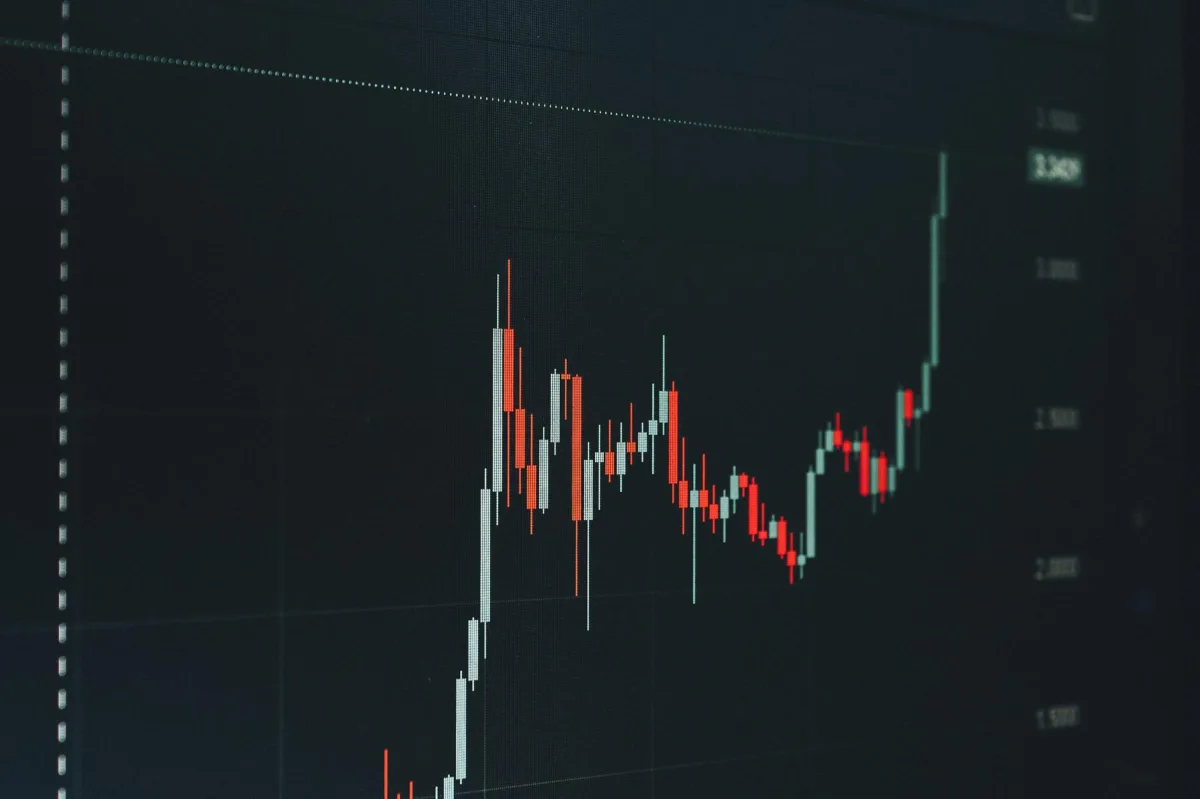










Indian benchmark indices, the Sensex and Nifty50, experienced a significant downturn in afternoon trading on Tuesday, with the Sensex plummeting over 1,300 points and the Nifty50 dipping below the 23,900 mark. This sharp sell-off was primarily driven by the re-escalation of West Asia tensions, reports of the U.S. rejecting Iran’s latest response to a deal, and Prime Minister Narendra Modi’s cautionary remarks regarding a potential depreciation of the Indian rupee, collectively sparking investor jitters across the market.
Context Behind the Market Rout
The S&P BSE Sensex, representing 30 of India’s largest and most actively traded stocks, and the Nifty50, comprising 50 major Indian equities, are key indicators of the Indian stock market’s health. Their substantial decline signals widespread investor apprehension. The recent market buoyancy, which saw Nifty50 touch new highs, faced an abrupt reversal as global and domestic factors converged.
Geopolitical instability in West Asia has historically impacted global oil prices and investor confidence. Reports indicating the U.S. rejected Iran’s latest overtures regarding a nuclear deal intensified these concerns, suggesting a prolonged period of uncertainty. Domestically, Prime Minister Modi’s recent call for austerity and his caution on the rupee’s stability added another layer of anxiety, prompting investors to reassess risk.
Detailed Market Performance and Drivers
The Sensex crashed by as much as 1,313 points, while the Nifty50 slipped under 23,900, after briefly trading at 23,949 earlier in the session. This marked a significant correction following a period of sustained gains. The broad-based selling pressure saw nearly all sectoral indices trade in the red, reflecting a comprehensive market retreat.
Among the stocks experiencing significant activity and close watch were State Bank of India (SBI), Canara Bank, Swiggy, and Titan Company. While the broader market sentiment was negative, these stocks attracted considerable trading volumes, often indicative of increased volatility or specific company-related news within a challenging market environment.
Market analysts attributed the sharp fall to a confluence of factors. Global cues, particularly the renewed geopolitical risks, played a pivotal role. The potential for higher crude oil prices due to West Asia tensions directly impacts India, a major oil importer, raising concerns about inflation and the current account deficit. This, coupled with the Prime Minister’s comments on the rupee, fueled speculation about potential currency depreciation and its economic ramifications.
Expert Perspectives and Data Points
Data from market reports indicated that the market’s slide represented a 1.3% decline in key indices, underscoring the severity of the sell-off. Analysts from leading financial institutions highlighted the immediate reaction to the U.S.-Iran developments as a primary trigger. They noted that such geopolitical events often lead to a flight to safety, with investors pulling funds from emerging markets like India.
The Prime Minister’s reference to the rupee’s potential drop, coming just a day after his austerity plea, was interpreted by some market observers as a signal of underlying economic challenges or a proactive warning to prepare for potential headwinds. This added to a cautious sentiment already prevalent among institutional investors.
Implications and What to Watch Next
The market’s sharp decline has immediate implications for investors, signalling increased volatility and the importance of risk management. For the broader economy, sustained geopolitical tensions could lead to higher import bills, particularly for oil, potentially impacting inflation and the Reserve Bank of India’s monetary policy decisions. A weakening rupee could also make imports more expensive and contribute to inflationary pressures.
Moving forward, market participants will closely monitor developments in West Asia, particularly any further statements or actions from the U.S. and Iran. The trajectory of global crude oil prices will be a critical factor. Domestically, investors will be attentive to any further policy signals from the government and the Reserve Bank of India regarding economic stability and currency management. The performance of key sectors and individual stocks, especially those sensitive to global events and currency fluctuations, will also be under intense scrutiny as the market navigates these evolving challenges.