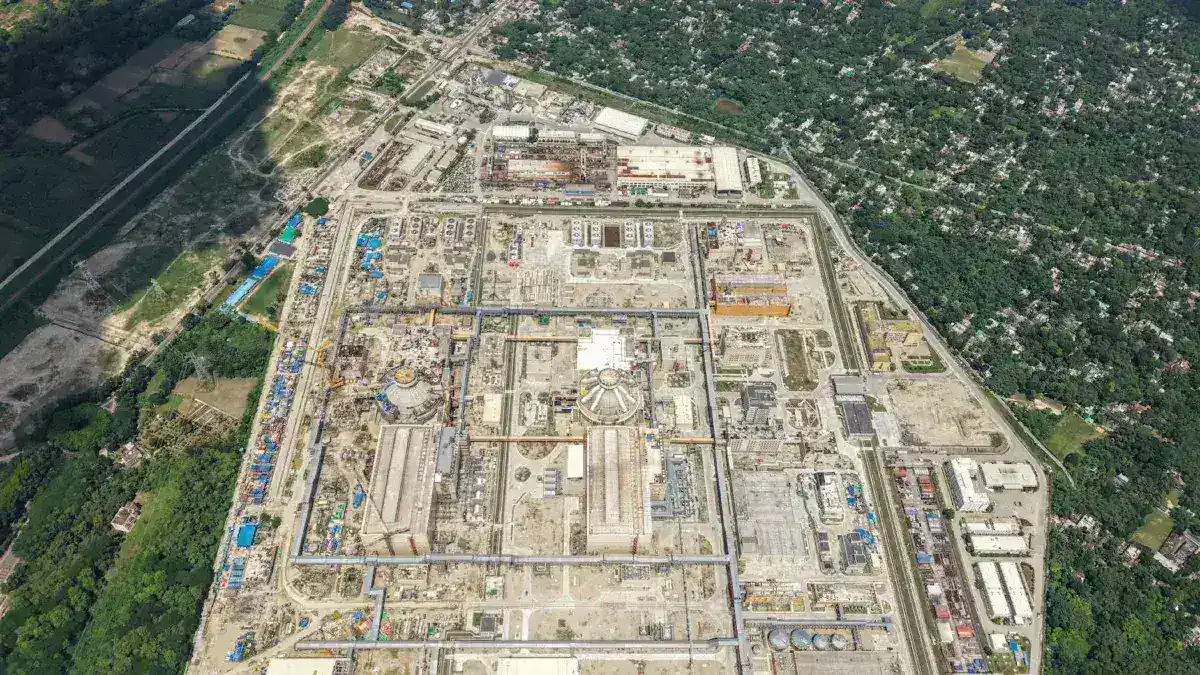









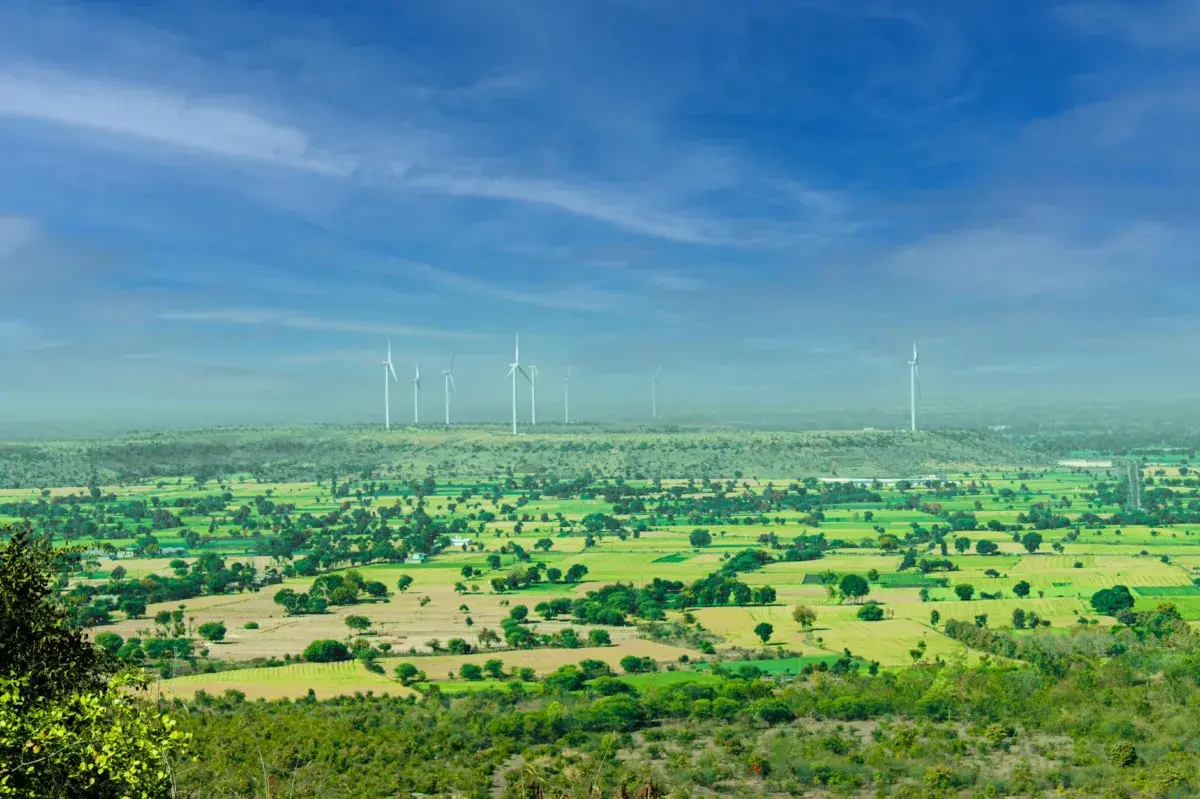
India has solidified its position as the world’s third-largest country in installed renewable energy capacity, a significant milestone achieved amidst ongoing strategic efforts by the Ministry of New and Renewable Energy (MNRE) to enhance grid stability, mitigate energy curtailment, and promote decentralized green energy solutions, notably floating solar, across the nation.
A Nation’s Renewable Ascent
India’s rapid climb to the third position globally in renewable energy capacity underscores its unwavering commitment to a sustainable energy future. This achievement is not merely a numerical triumph but a testament to years of concerted policy efforts, significant investments, and a strategic vision to transform the nation’s energy landscape.
The transition away from conventional fossil fuels is a critical imperative for India, driven by both environmental concerns and the need for energy security. The nation’s ambitious targets for renewable energy generation are pivotal to meeting its commitments under international climate agreements and ensuring a cleaner, more reliable power supply for its vast population.
Addressing Grid Stability and Curtailment
As renewable energy integration accelerates, maintaining grid stability becomes paramount. The MNRE Secretary has emphasized the urgent need to scale investment in the green energy corridor, a vital infrastructure project designed to facilitate the efficient transmission of renewable power from generation sites to demand centers. This corridor is crucial for managing the intermittent nature of solar and wind power.
A critical issue facing India’s renewable sector is energy curtailment, where generated renewable electricity cannot be absorbed by the grid due to various operational or transmission constraints. This not only represents a loss of clean energy but also impacts the economic viability of renewable projects. Addressing curtailment is a top priority for the MNRE, requiring robust grid modernization and sophisticated energy management systems.
Decentralizing Green Energy with Floating Solar
To further decentralize India’s green energy footprint and overcome land acquisition challenges, the government is actively planning incentives for floating solar projects. Floating solar photovoltaic (FSPV) installations, typically deployed on reservoirs, lakes, and other water bodies, offer several advantages.
These benefits include reduced land usage, higher energy yield due to the cooling effect of water on solar panels, and decreased evaporation from water bodies. By encouraging floating solar, India aims to unlock new avenues for renewable energy generation, particularly in regions where land is scarce or expensive, bringing green power closer to consumption points.
Systemic Foundations of Energy Transition
India’s energy transition is underpinned by a comprehensive framework of systemic foundations. These include proactive policy-making, regulatory reforms aimed at fostering a conducive environment for renewable energy investment, and technological advancements in generation, storage, and grid management. The government’s ‘Powering Change’ initiatives focus on creating an ecosystem that supports sustained growth in the renewable sector.
This holistic approach involves not just installing new capacity but also strengthening the entire value chain, from manufacturing components to developing skilled labor and ensuring financial mechanisms are in place to attract both domestic and international investors. The emphasis on indigenous manufacturing under initiatives like ‘Make in India’ is also bolstering the local renewable energy industry.
Implications and Future Outlook
India’s continued leadership in renewable energy has profound implications. It positions the nation as a global leader in climate action, contributes significantly to reducing carbon emissions, and enhances energy independence by reducing reliance on imported fossil fuels. The expansion of the renewable sector also creates substantial job opportunities across various skill levels, from project development and construction to operation and maintenance.
Looking ahead, the successful implementation of the green energy corridor, effective solutions to curtailment, and the widespread adoption of innovative technologies like floating solar will be crucial. The focus will remain on integrating storage solutions to address intermittency, further attracting private investment through transparent policies, and exploring new frontiers in renewable energy suchologies. India’s journey towards a fully sustainable energy future is dynamic, with ongoing policy developments and technological innovations poised to shape its trajectory in the coming years.