








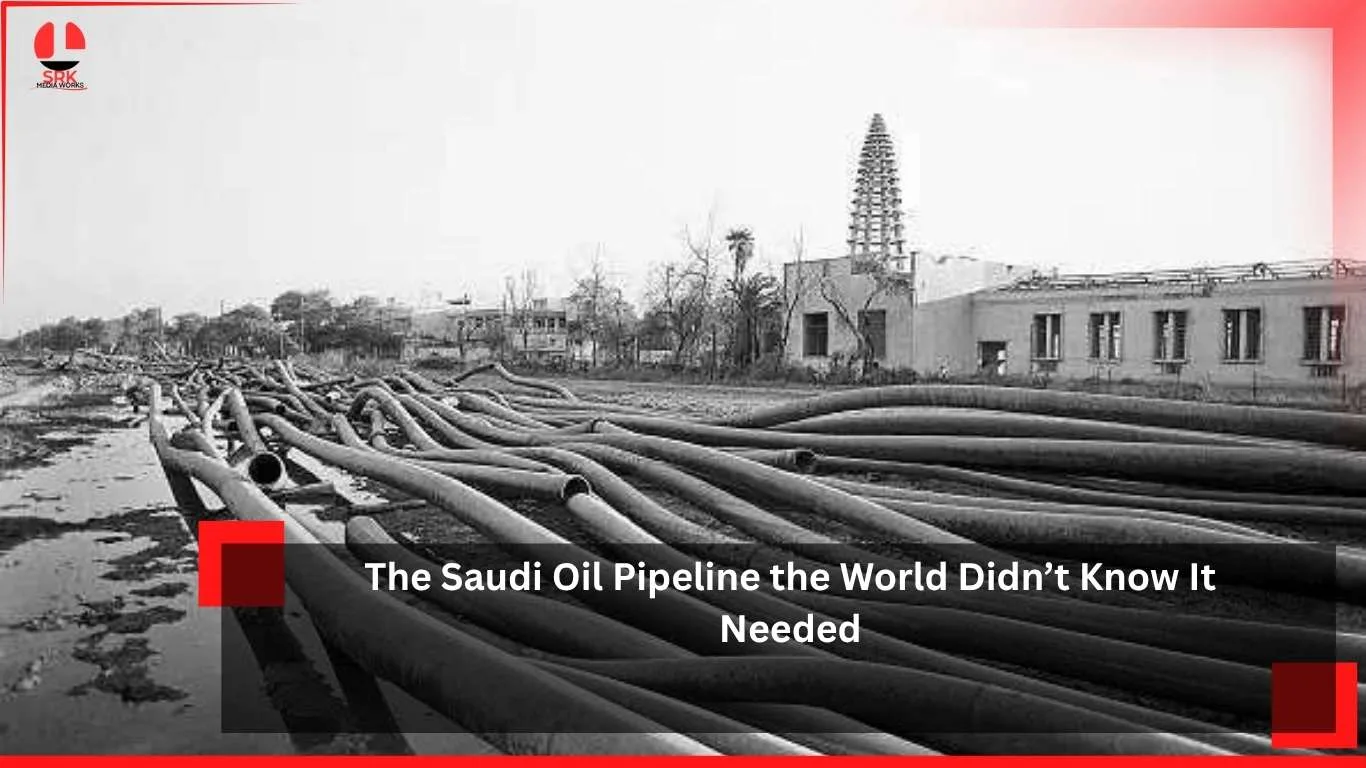
Saudi Arabia has long been synonymous with oil wealth, but a new development in its energy infrastructure is reshaping global conversations. The unveiling of a strategic oil pipeline project—described by analysts as “the pipeline the world didn’t know it needed”—is poised to redefine energy security, trade routes, and geopolitical dynamics across continents.
A Pipeline Beyond Borders
This pipeline is not just another addition to Saudi Arabia’s extensive energy network. It represents a strategic bypass of traditional chokepoints such as the Strait of Hormuz, reducing vulnerability to regional tensions and ensuring uninterrupted oil flow to global markets.
By stretching across Saudi territory and connecting directly to the Red Sea, the pipeline offers a safer, faster, and more reliable route for crude exports. This innovation is being hailed as a game-changer for both producers and consumers.
Why the Pipeline Matters
- Energy Security: Reduces reliance on vulnerable maritime routes.
- Global Supply Stability: Ensures consistent oil flow even during regional conflicts.
- Economic Efficiency: Cuts transport time and costs, boosting competitiveness.
- Geopolitical Leverage: Strengthens Saudi Arabia’s role as a stabilizer in global energy markets.
Impact on Global Markets
The pipeline’s capacity is expected to rival some of the largest in the world, potentially transporting millions of barrels per day. This has immediate implications for:
- Asia: Faster access to Saudi crude, reducing dependency on longer shipping routes.
- Europe: Enhanced supply stability, particularly for Mediterranean nations.
- United States: Indirect benefits through stabilized global oil prices.
Comparative Analysis of Strategic Pipelines
| Pipeline Project | Capacity (barrels/day) | Strategic Purpose | Vulnerability Level |
|---|---|---|---|
| Saudi New Pipeline | 5 million+ | Bypass Hormuz, secure Red Sea route | Low |
| Trans-Siberian Pipeline | 4 million | Connects Russian oil to Europe | Medium |
| Keystone XL (US) | 830,000 | North American energy security | Medium |
| Baku-Tbilisi-Ceyhan | 1 million | Caspian oil to Mediterranean | High |
This comparison shows Saudi Arabia’s pipeline as one of the most strategically resilient projects globally.
Pivot Analysis: Regions Benefiting Most
| Region | Benefit Type | Strategic Importance |
|---|---|---|
| Asia | Faster crude delivery | High – growing demand |
| Europe | Stable supply chain | High – energy dependency |
| Africa | Potential trade expansion | Medium – emerging markets |
| Middle East | Reduced chokepoint risk | High – regional stability |
Saudi Arabia’s Vision
The pipeline aligns with Saudi Vision 2030, the kingdom’s ambitious plan to diversify its economy and strengthen infrastructure. By investing in energy resilience, Saudi Arabia is not only safeguarding its oil revenues but also positioning itself as a global energy guarantor.
Challenges Ahead
While the pipeline promises immense benefits, challenges remain:
- Environmental Concerns: Large-scale infrastructure projects raise ecological questions.
- Geopolitical Rivalries: Regional powers may view the pipeline as a shift in balance.
- Market Volatility: Oil demand fluctuations could affect long-term profitability.
Conclusion
The Saudi oil pipeline the world didn’t know it needed is more than an engineering marvel—it is a strategic lifeline for global energy security. By bypassing vulnerable maritime routes and ensuring stable supply chains, Saudi Arabia has reinforced its role as a cornerstone of the global energy system.
As nations grapple with energy transitions and geopolitical uncertainties, this pipeline stands as a reminder that oil, despite debates about renewables, remains central to global stability.
Disclaimer: This article is based on publicly available information and strategic analysis. It does not represent classified data or official government positions. The content is intended for informational purposes only and should not be considered financial or investment advice.