




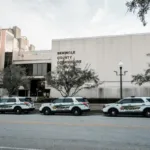





A recent administrative error at a South Texas housing authority triggered a wave of fear and preemptive displacement among immigrant families this month, providing a tangible preview of the logistical and social challenges that could arise from proposed federal policies targeting noncitizens in public housing. The incident, which saw residents fleeing their homes following a miscommunicated eviction notice, underscores the anxiety surrounding potential executive actions aimed at removing undocumented individuals from federally subsidized residences.
The Anatomy of an Administrative Crisis
The confusion began when the local housing authority issued a notice that was widely interpreted as an immediate mandate to vacate for households with mixed immigration statuses. Although officials later clarified that the communication was a procedural error rather than a change in policy, the damage had already been done, with dozens of families vacating their units in fear of impending enforcement raids.
This event reflects the high stakes of current debates regarding the eligibility of noncitizens for federal housing assistance. Under existing Department of Housing and Urban Development (HUD) guidelines, public housing is generally reserved for citizens and specific categories of immigrants with legal status, but the practical enforcement of these rules often involves complex verification processes that vary significantly by jurisdiction.
Policy Context and Federal Proposals
The incident in South Texas mirrors broader discussions within political circles regarding the implementation of stricter immigration enforcement measures. Proposals circulated by the Trump transition team and affiliated policy groups suggest a potential move toward aggressive auditing of HUD databases to identify and disqualify noncitizen residents.
Proponents of these measures argue that public housing resources should be strictly prioritized for citizens, citing concerns over the strain on existing infrastructure and long waiting lists. Conversely, housing advocates warn that such policies threaten to destabilize vulnerable populations, including U.S.-citizen children who reside in mixed-status households.
Expert Perspectives on Housing Stability
According to data from the National Low Income Housing Coalition, the removal of noncitizens from assisted housing could lead to a surge in homelessness, as many displaced families lack the financial resources to enter the private rental market. Housing policy experts emphasize that the mere threat of such policy changes often creates a chilling effect, deterring eligible families from seeking assistance for fear of drawing scrutiny to their living arrangements.
“The administrative burden of verifying status at every level of the housing bureaucracy creates significant friction,” noted a policy analyst familiar with federal housing programs. “When you inject fear into that system, you see a breakdown in the basic social safety net, regardless of whether the policy is fully realized or just proposed.”
Implications for the Housing Sector
For the broader housing industry, this incident highlights the operational risks of shifting federal mandates. Local housing authorities, which are often underfunded and understaffed, face significant challenges in implementing complex verification protocols without disrupting the stability of their communities.
As federal agencies prepare for potential shifts in leadership, observers should monitor how the Department of Housing and Urban Development navigates the intersection of immigration enforcement and housing rights. Future developments likely include increased pressure on local authorities to conduct manual audits of residency data and potential legal challenges from civil rights organizations regarding the constitutionality of mass eviction efforts based on status. Stakeholders will be watching to see if federal guidance provides clear, uniform standards or if the responsibility falls to local municipalities to interpret and execute these sensitive mandates.