









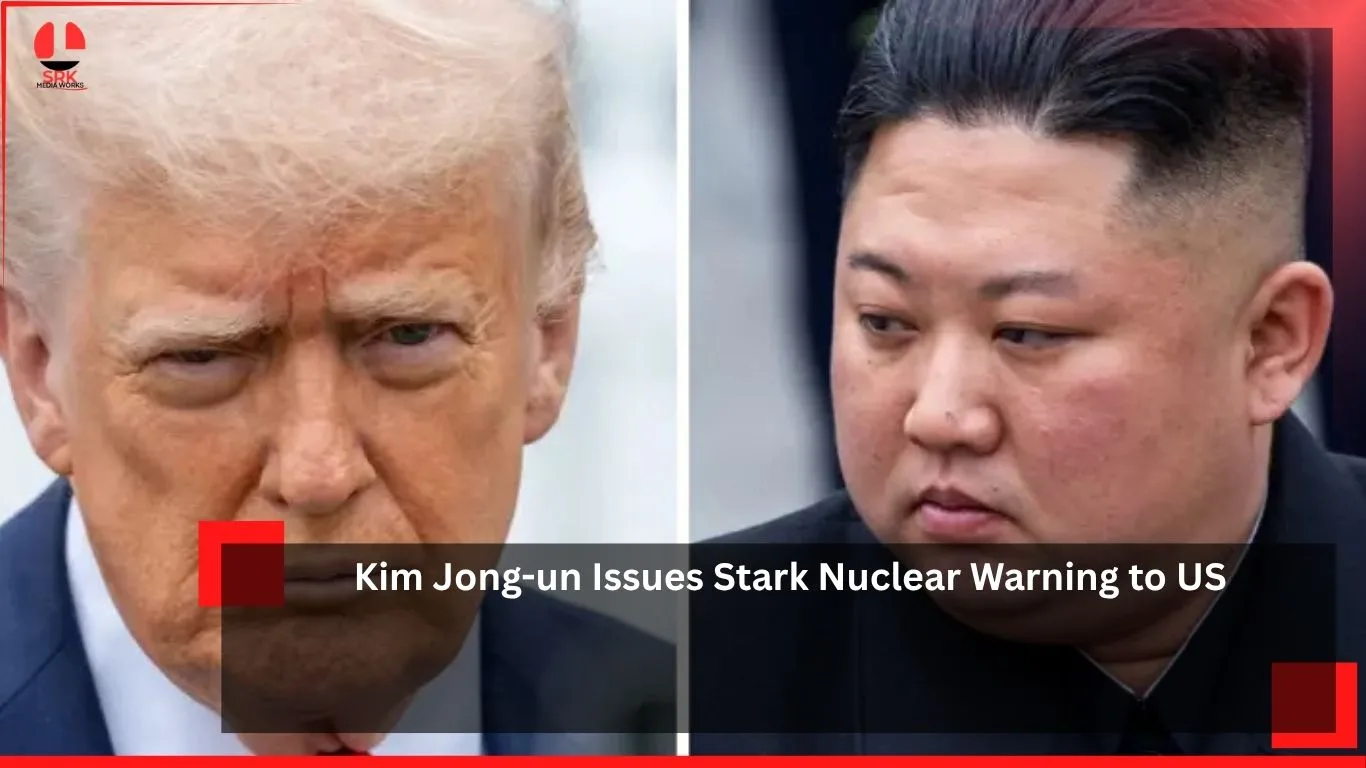
North Korean leader Kim Jong-un has issued a stark warning to the United States, declaring that Pyongyang will not hesitate to use nuclear weapons if it perceives any existential threat. His remarks, delivered during a high-level military meeting, have reignited global concerns about nuclear escalation in East Asia and the broader implications for international security.
The Warning
Kim Jong-un’s statement was direct and uncompromising:
- Nuclear Readiness: He claimed North Korea’s nuclear arsenal is fully prepared for deployment.
- Deterrence Strategy: The warning was framed as a deterrent against what Pyongyang sees as US “provocations.”
- Military Exercises: He criticized joint US-South Korea military drills, calling them rehearsals for invasion.
- Global Message: The statement was intended to remind the world of North Korea’s nuclear capabilities.
Why This Matters
- Regional Stability: The Korean Peninsula remains one of the most volatile regions globally.
- US Commitments: Washington has pledged to defend South Korea and Japan, raising the risk of confrontation.
- Global Security: Any escalation could have catastrophic consequences for nuclear non-proliferation.
- Diplomatic Fallout: The warning complicates ongoing efforts to restart peace talks.
Comparative Analysis of Nuclear Postures
| Country | Nuclear Arsenal | Policy Stance | Risk Level |
|---|---|---|---|
| North Korea | Estimated 40–50 warheads | First-use threat | High |
| United States | ~5,000 warheads | Deterrence, no first use declared | Medium |
| China | ~400 warheads | Minimum deterrence | Medium |
| Russia | ~6,000 warheads | Aggressive posture | Very High |
| South Korea/Japan | No nuclear weapons | Reliant on US umbrella | Vulnerable |
Sector-Wise Impact of Kim’s Warning
| Sector | Impact | Outlook |
|---|---|---|
| Diplomacy | Increased tensions | Reduced chances of talks |
| Security | Heightened military readiness | Risk of escalation |
| Global Markets | Investor anxiety | Volatility in Asia-Pacific |
| Energy | Oil price fluctuations | Possible supply chain disruptions |
| Public Opinion | Fear of nuclear war | Pressure on governments |
Risks and Challenges
- Escalation of Conflict: Miscalculation during military drills could trigger confrontation.
- Nuclear Proliferation: Other nations may reconsider nuclear programs.
- Economic Fallout: Asian markets could face instability.
- Diplomatic Breakdown: Peace initiatives may stall indefinitely.
Long-Term Implications
- Regional Arms Race: South Korea and Japan may push for stronger defense measures.
- Global Security Architecture: The UN and other bodies face renewed pressure to act.
- US Strategy: Washington must balance deterrence with diplomacy.
- North Korea’s Isolation: Continued threats deepen Pyongyang’s global isolation.
Conclusion
Kim Jong-un’s stark nuclear warning to the US underscores the fragile balance of power in East Asia. By openly threatening nuclear use, Pyongyang has escalated tensions at a time when global security is already under strain. For Washington and its allies, the challenge lies in deterring aggression while keeping diplomatic channels open. The world now watches closely, aware that even a small misstep could have devastating consequences.
Disclaimer
This article is intended for informational purposes only and does not constitute military or diplomatic advice. The views expressed are based on reported developments as of March 2026. Readers should consider multiple perspectives before forming conclusions about international conflicts and nuclear security.