









Shifting Strategy for an AI-Driven Future
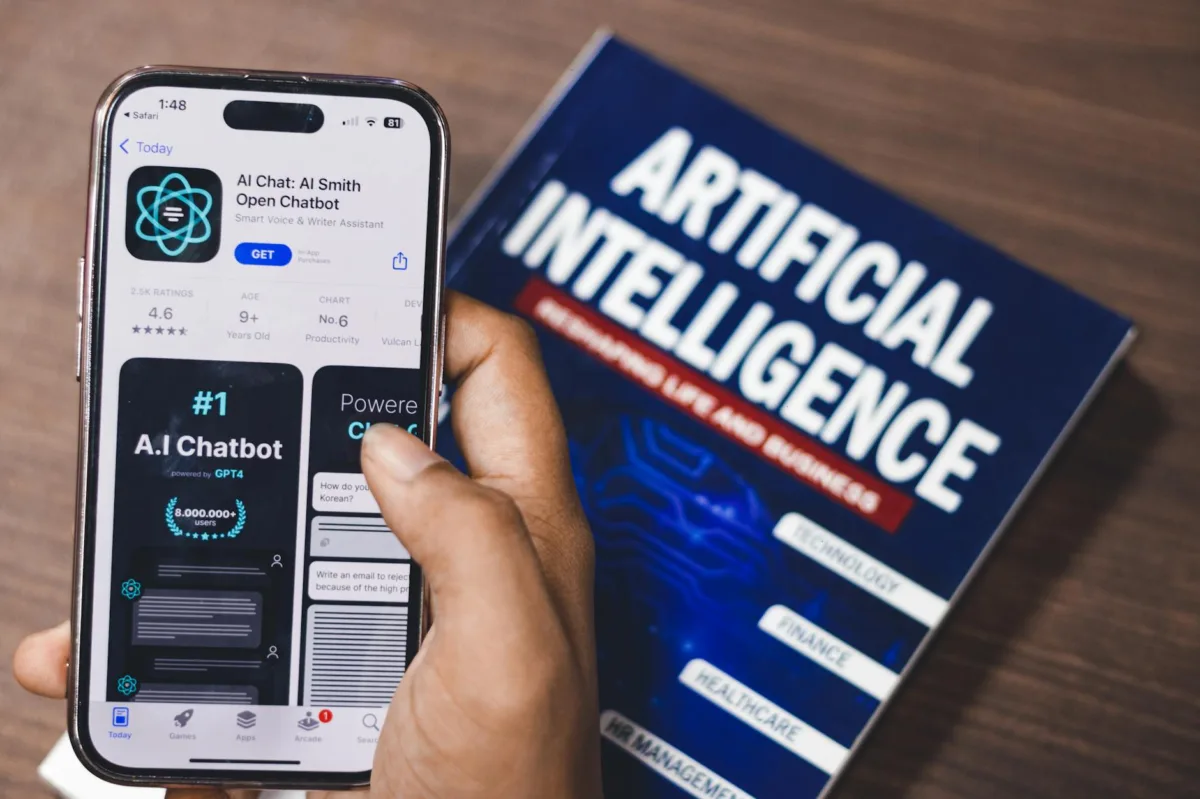
Apple is currently evaluating significant modifications to its App Store policies to accommodate a new wave of “agentic” AI applications and sophisticated coding software. This shift, reported by industry insiders this week, signals a major pivot for the Cupertino-based tech giant as it seeks to regain its competitive footing in the rapidly evolving artificial intelligence landscape.
For years, Apple has maintained a strictly controlled ecosystem, often restricting applications that execute external code or perform autonomous tasks. However, as developers increasingly prioritize AI agents—software capable of performing complex multi-step actions on behalf of users—the company is finding its existing guidelines increasingly incompatible with modern software capabilities.
The Context of Apple’s App Store Evolution
Historically, Apple’s App Store guidelines have prioritized security and user privacy above all else, leading to the rejection of apps that could download or run unverified code. This “walled garden” approach effectively shielded users from malware but stifled the development of flexible, modular AI agents that require dynamic execution environments.
The pressure to adapt comes as competitors like Microsoft and Google aggressively integrate generative AI into their respective platforms. With Apple’s own Siri initiative facing criticism for lagging behind industry peers, the company is under immense pressure to leverage its massive install base to host the next generation of intelligent, autonomous software.
Navigating the Technical and Regulatory Hurdle
The core challenge for Apple lies in balancing its stringent security standards with the open-ended nature of agentic AI. AI agents, by design, are meant to interact with other apps and perform tasks autonomously, which creates potential vulnerabilities that Apple’s current sandbox architecture is not designed to handle.
Industry analysts suggest that Apple is exploring new sandboxing techniques that would allow AI agents to operate safely without compromising system integrity. By creating a controlled environment where these agents can execute code while remaining within the bounds of user-granted permissions, Apple hopes to foster innovation without sacrificing its reputation for security.
Furthermore, the company is looking into how it can monetize or govern these apps. Current models focus on one-time purchases or subscriptions, but AI agents often incur ongoing server costs, leading developers to push for more flexible monetization models that align with the compute-heavy nature of agentic software.
Expert Perspectives on the AI Shift
Market experts note that this move is not merely a change in policy, but a fundamental redesign of the platform’s utility. “Apple is transitioning from a static app host to a platform for dynamic, intelligent services,” says a lead analyst following the developments. “The success of this transition depends on whether they can provide developers with enough freedom to innovate while maintaining the trust of their global user base.”
Data from recent industry reports indicates that interest in coding-focused applications has surged, with a 30% increase in developer demand for tools that allow for real-time code execution within mobile environments. Apple’s willingness to entertain these changes reflects a recognition that developers are the primary drivers of platform loyalty.
Future Implications for the Developer Ecosystem
For independent developers, these changes could unlock unprecedented opportunities to build complex tools that were previously relegated to desktop environments. If Apple successfully implements these guidelines, users could soon see a new category of “super-apps” capable of managing calendars, drafting emails, and writing code directly from an iPhone or iPad.
Looking ahead, the industry will be watching for the next version of iOS and updated developer documentation to see how these policies are codified. The ultimate test will be whether Apple can maintain its security posture while allowing the autonomy that defines the next generation of artificial intelligence.