









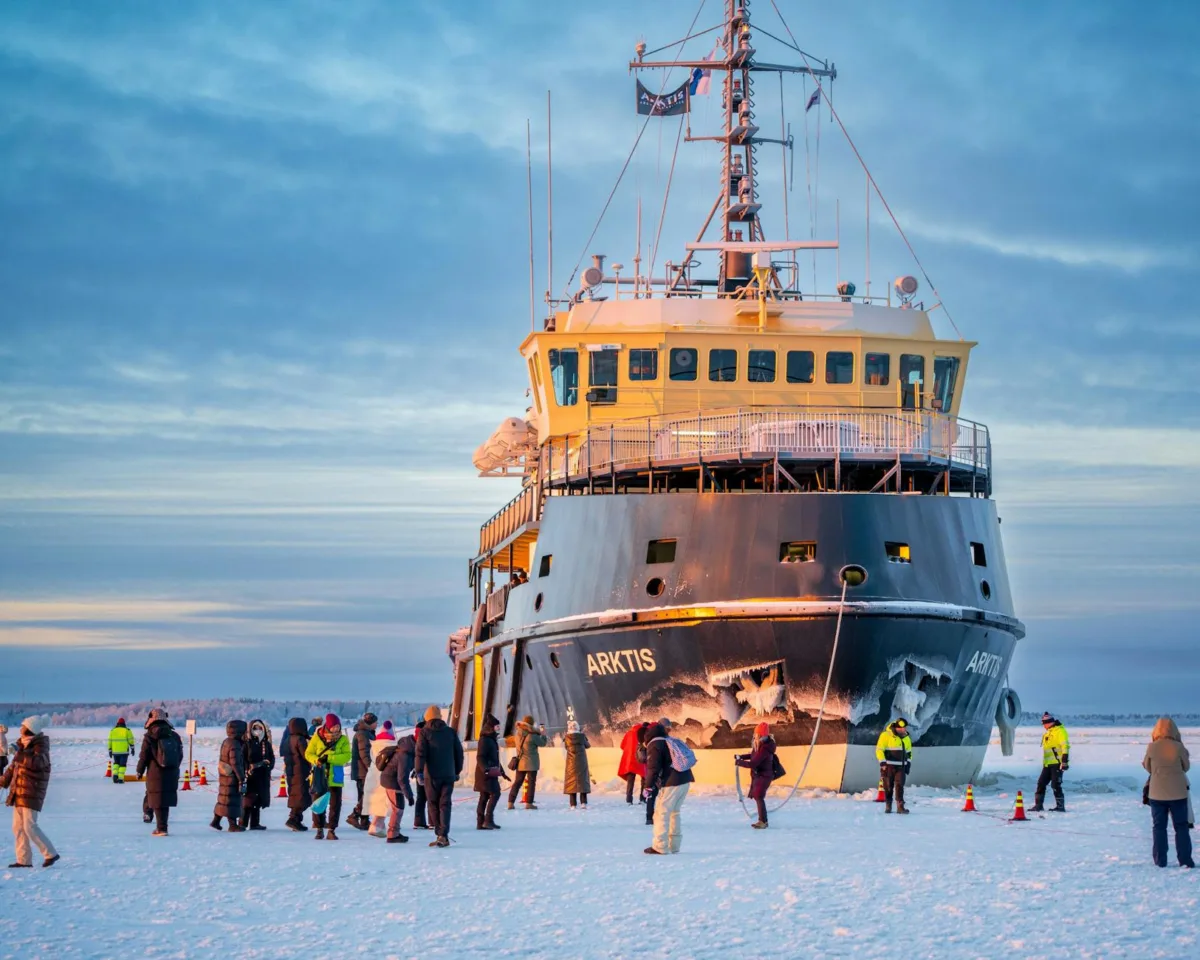
A recent, tragic outbreak of Hantavirus aboard the expedition cruise ship MV Hondius, which resulted in three deaths, has reignited global concerns regarding how environmental shifts are altering the transmission patterns of zoonotic diseases. Public health officials and infectious disease experts are currently investigating how the virus, typically harbored by wild rodents, managed to infect passengers and crew in a maritime environment. This incident serves as a stark reminder of the evolving risks posed by pathogens that jump from animal reservoirs to human populations.
Understanding the Hantavirus Threat
Hantavirus is a family of viruses spread primarily through contact with the urine, feces, or saliva of infected rodents. Unlike respiratory viruses that spread efficiently through human-to-human contact, Hantavirus is typically contracted by inhaling aerosolized particles of rodent excreta. While human-to-human transmission is exceptionally rare—and in the case of the Andes virus, only documented in specific instances—the severity of Hantavirus Pulmonary Syndrome (HPS) remains a significant public health challenge.
The MV Hondius incident highlights the difficulty of containment in closed environments. Health authorities are analyzing how the virus infiltrated the ship, considering factors such as potential rodent infestations at ports of call or contaminated supplies. Researchers emphasize that HPS carries a high mortality rate, making early detection and rapid supportive care critical for patient survival.
The Climate Connection
Climate change is increasingly viewed as a primary driver in the expansion of rodent habitats and the subsequent rise in zoonotic disease spillover. Warmer temperatures and shifting precipitation patterns alter ecosystem dynamics, forcing rodent populations to migrate into new territories or closer to human settlements. As these vectors expand their range, the frequency of human-rodent interaction increases, raising the statistical probability of viral transmission.
According to data from the World Health Organization, climate-sensitive diseases are evolving as natural barriers dissolve. Changing weather patterns can lead to population booms in rodent species, which in turn elevates the concentration of Hantavirus in the environment. Scientists note that as biodiversity decreases, the species that remain—often rodents—thrive, creating a larger pool of hosts for various pathogens.
Public Health Implications and Future Outlook
For the travel and shipping industries, the MV Hondius outbreak underscores the necessity for rigorous sanitation protocols and rodent control measures. Health experts advise that while Hantavirus is not poised to become the next pandemic on the scale of COVID-19, the risk of localized clusters is rising. The industry must prioritize environmental surveillance and proactive pest management to mitigate these emerging biological risks.
Moving forward, the focus will shift toward better genomic sequencing of Hantavirus strains to track their evolution and potential for adaptation. Global health agencies are calling for integrated ‘One Health’ surveillance systems that monitor the intersection of wildlife health, environmental changes, and human disease. The coming decade will likely see increased investment in vaccine research and rapid diagnostic tools specifically tailored for rare but lethal zoonotic infections, as researchers continue to study the long-term impact of a warming planet on global disease distribution.