








Public Health Emergency Declared
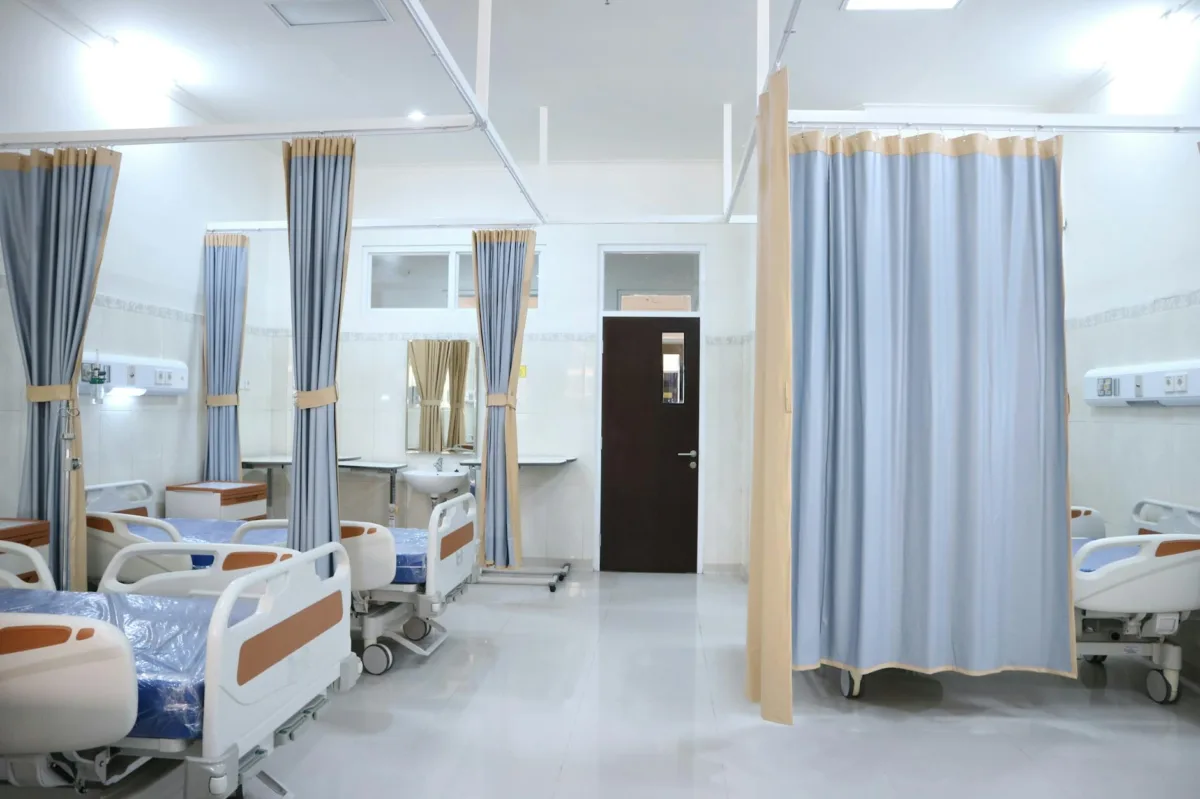
Spanish health authorities have placed a passenger under strict quarantine at a Madrid hospital following a confirmed case of hantavirus, a rare but severe zoonotic infection. This incident, reported on May 10, 2026, marks a critical escalation in a burgeoning health crisis that has already prompted international intervention after several passengers from a cruise ship tested positive for the virus. The World Health Organization (WHO) has since issued urgent guidance to the residents of Tenerife, where the affected vessel recently docked, to manage the potential spread of the pathogen.
Understanding Hantavirus Risks
Hantavirus is typically transmitted to humans through contact with the urine, droppings, or saliva of infected rodents, or by breathing in aerosolized particles of these materials. While human-to-human transmission is exceptionally rare, the clustering of cases within the cruise industry has prompted epidemiologists to re-evaluate the environmental conditions aboard such vessels. The virus is known to cause Hantavirus Pulmonary Syndrome (HPS), a severe respiratory disease that can be fatal if not diagnosed and treated in the early stages.
The Cruise Ship Containment Effort
The situation began to unfold when multiple passengers aboard a trans-Atlantic cruise ship exhibited symptoms consistent with severe viral pneumonia. Upon docking, health officials initiated immediate screening protocols, leading to the identification of several positive cases. The Wall Street Journal reported that American passengers were transported to specialized quarantine centers to prevent community transmission upon their return to the United States. Meanwhile, the final passengers were cleared to disembark from the vessel only after a rigorous multi-day testing cycle confirmed their health status.
Expert Perspectives and Surveillance
Public health experts emphasize that while the hantavirus is not usually associated with person-to-person spread, the rapid identification of these cases is essential to prevent secondary infections. The WHO Director-General has focused efforts on public communication, urging those who were in contact with the ship’s cargo or storage areas to monitor their health for fever, muscle aches, and respiratory distress. Data from international health monitoring agencies suggests that while the risk to the general public remains low, rigorous sanitation and vector control are now being mandated for all vessels operating in the region.
Future Implications for Global Travel
The incident has sparked a broader debate regarding the biosecurity standards required for international cruise liners. Industry analysts predict that the coming months will see a tightening of health regulations, with increased focus on pest control and air filtration standards to mitigate the risk of rodent-borne pathogens. Travelers should prepare for more stringent medical screening processes at major transit hubs and ports of entry. Moving forward, health agencies will be closely monitoring the Tenerife region for any signs of community-level exposure while simultaneously analyzing how the virus infiltrated the ship’s internal environment to prevent future occurrences.