








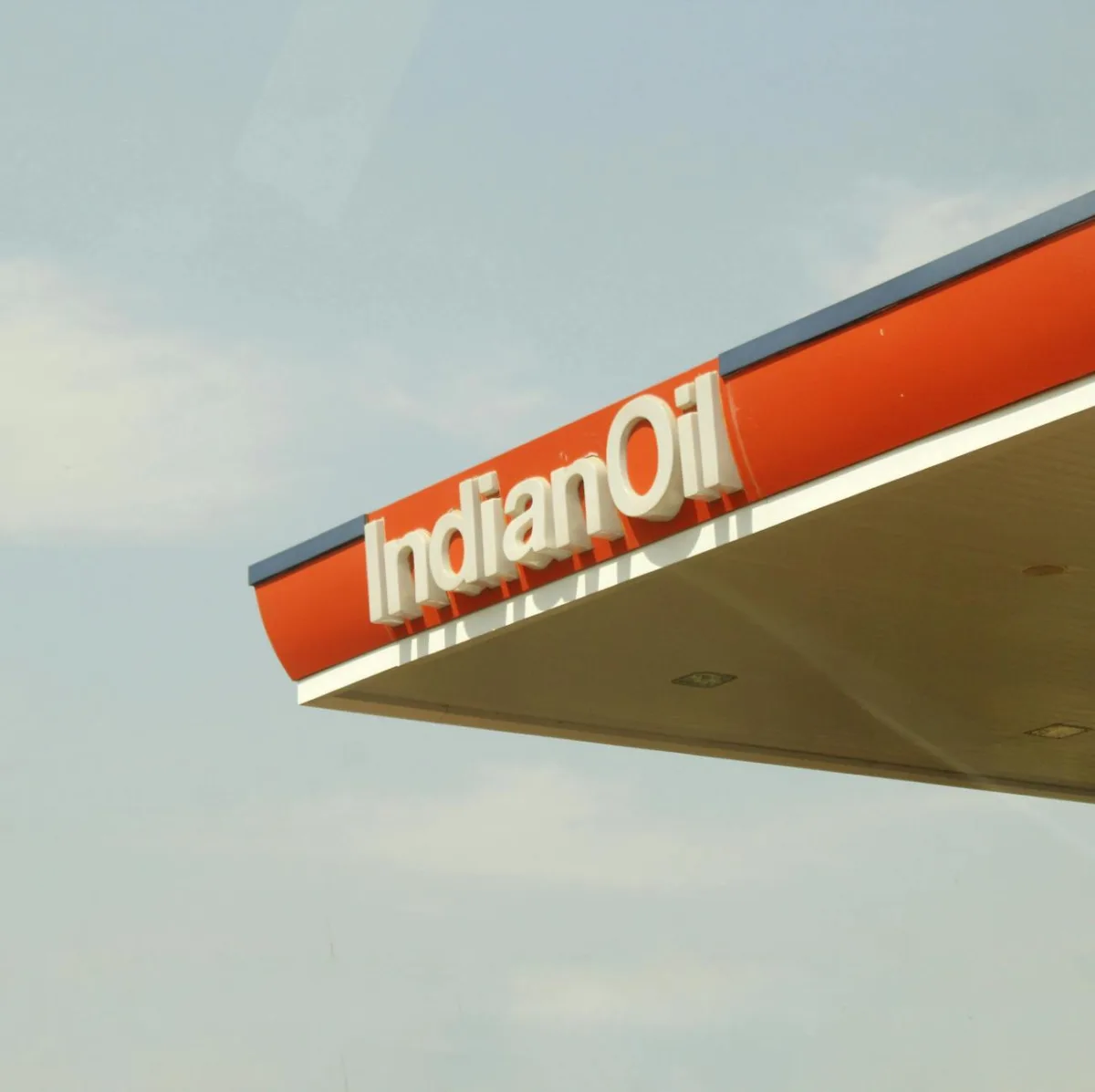
Indian government officials, including Defence Minister Rajnath Singh and the Oil Secretary, recently assured the nation of stable fuel supplies and robust energy security. This move effectively dispelled concerns of potential shortages amidst escalating geopolitical tensions in West Asia. The collective stance, reinforced by clarifications regarding Prime Minister Narendra Modi’s appeal for energy conservation, aims to prevent public panic and underscore India’s resilient position as an “oasis of comfort” in the global energy landscape.
Global Tensions and India’s Energy Outlook
The reassurances arrive at a critical juncture, with ongoing conflicts and instability in West Asia fueling global anxieties over crude oil supplies and international market volatility. India, as a major oil importer, has historically demonstrated vulnerability to such geopolitical shifts. This has occasionally led to public apprehension regarding fuel availability and pricing.
However, the current administration has moved swiftly to distinguish the present situation. It emphasizes proactive measures and robust strategic reserves. This context is crucial for understanding the government’s current messaging, which seeks to calm nerves while simultaneously promoting long-term energy prudence.
Government Assurances and Robust Reserves
Defence Minister Rajnath Singh firmly stated that India remains “secure” and faces “no fuel shortage” despite the unfolding crisis in West Asia. His remarks aimed to instill confidence, highlighting the nation’s preparedness to navigate external disruptions effectively.
Corroborating this, the Oil Secretary categorically ruled out any possibility of fuel rationing. He described India’s position on fuel supplies as an “oasis of comfort,” referencing the nation’s substantial strategic petroleum reserves.
Officials have consistently reiterated that the country’s fuel stocks are more than sufficient to meet domestic demand. This negates any immediate need for restrictive measures or public anxiety.
The government’s unified message, repeatedly emphasizing “no need to panic,” clarifies Prime Minister Modi’s recent appeal for collective participation in energy conservation. This initiative is a proactive step towards sustainable energy practices, rather than a response to impending scarcity. It seeks to foster a culture of energy efficiency across all sectors, aligning with broader national goals of responsible resource management and reduced reliance on imports.
The Long-Term Vision: Electrifying India
Beyond immediate assurances, industry leaders are advocating for a strategic long-term shift to enhance India’s energy independence. Sagar Adani, a prominent voice in the energy sector, has highlighted that “India’s best defence is to electrify everything.” This perspective underscores a fundamental pivot towards renewable energy sources and electric mobility as key pillars of national security and economic stability.
The push for electrification encompasses a wide array of initiatives. These range from accelerated deployment of large-scale solar and wind power projects to the widespread adoption of electric vehicles (EVs) in transportation. Such a transition not only mitigates reliance on volatile fossil fuel imports but also positions India at the forefront of the global green energy transition.
Significant investments in battery storage technology and smart grid infrastructure are critical components of this electrification drive. By diversifying its energy mix and reducing its carbon footprint, India aims to build a more resilient, self-reliant, and environmentally sustainable energy ecosystem. This strategy also aligns with the nation’s ambitious climate targets.
Data from the Ministry of Power indicates substantial growth in renewable energy capacity, showcasing the tangible progress already made. This sustained effort is crucial for decoupling India’s energy security from geopolitical instabilities.
Implications for Citizens and Industries
For the average Indian citizen, the government’s assurances mean continued stability in fuel availability. This, ideally, translates to more predictable pricing, insulating them from the immediate shocks of global oil market fluctuations. The emphasis on energy conservation, however, encourages a mindful approach to consumption, potentially leading to long-term savings and environmental benefits for households.
Industries stand to benefit significantly from a more secure and diversified energy supply. This can foster greater economic stability and planning certainty for businesses across various sectors. The strategic push towards electrification and renewable energy also opens up substantial investment opportunities in manufacturing, infrastructure development, and technological innovation within the burgeoning green energy sector.
Looking ahead, India’s energy policy is poised for an accelerated trajectory towards self-sufficiency and sustainability. The focus will likely intensify on scaling up renewable energy capacity, enhancing energy efficiency standards across sectors, and fast-tracking the adoption of electric mobility solutions nationwide. Continued governmental vigilance, coupled with strategic investments and robust public participation, will be crucial in solidifying India’s energy security and resilience against future global challenges. The nation’s ability to maintain its “oasis of comfort” status will depend on the sustained and effective implementation of these forward-looking strategies.