








Tamil Nadu’s Chief Minister, C. Joseph Vijay, recently unveiled the first wave of his administration’s key poll assurances, signaling a clear direction for his tenure. These initial promises, including free electricity, enhanced women’s safety measures, and dedicated anti-narcotic units, were announced following his assumption of office and a crucial meeting to assess the state’s law and order situation. The rollout aims to address pressing societal concerns and establish the new government’s commitment to welfare and public safety across the state.
Establishing a New Political Paradigm
The ascent of C. Joseph Vijay, a prominent film personality, to the Chief Minister’s office marks a significant shift in Tamil Nadu’s political landscape. His transition from cinema icon to political leader, culminating in the formation of his party, the Tamizhaga Vetri Kazhagam (TVK), has been closely watched. This entry has been described by observers as an event that “rewrites Tamil Nadu’s political grammar,” indicating a departure from traditional political approaches and a potential re-energizing of the state’s political discourse.
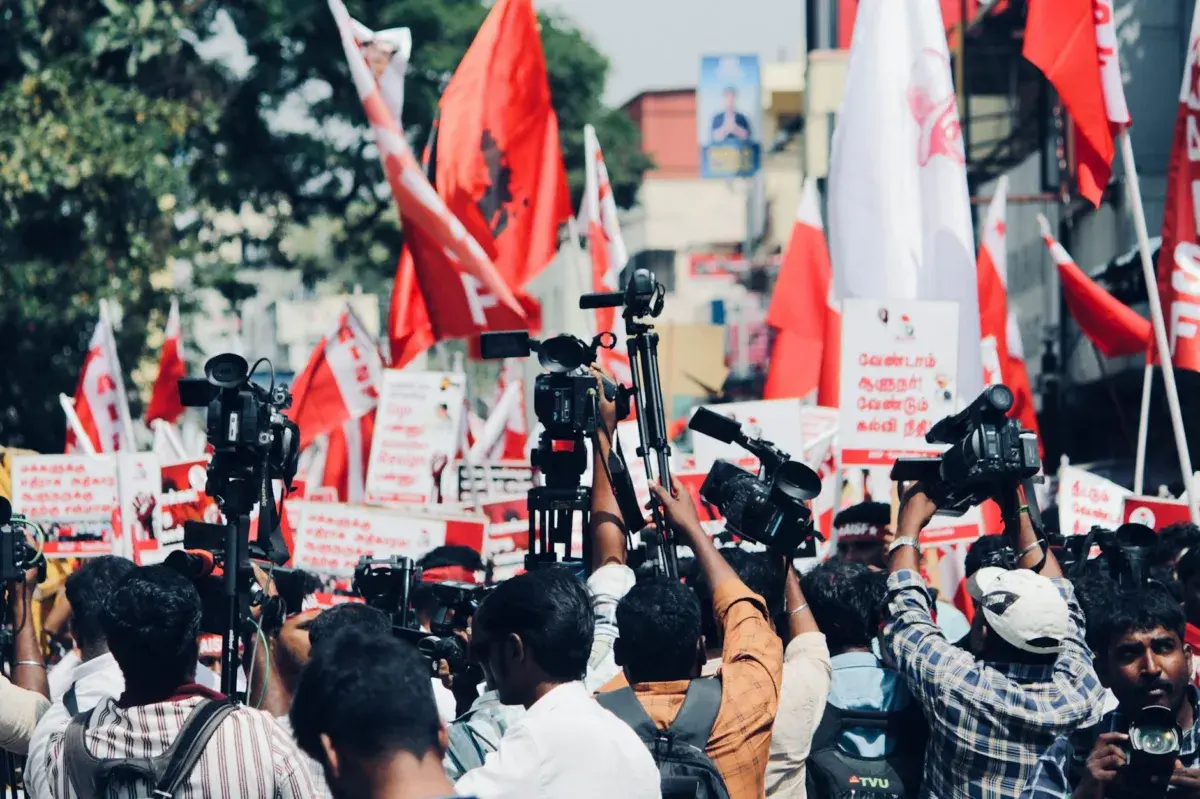
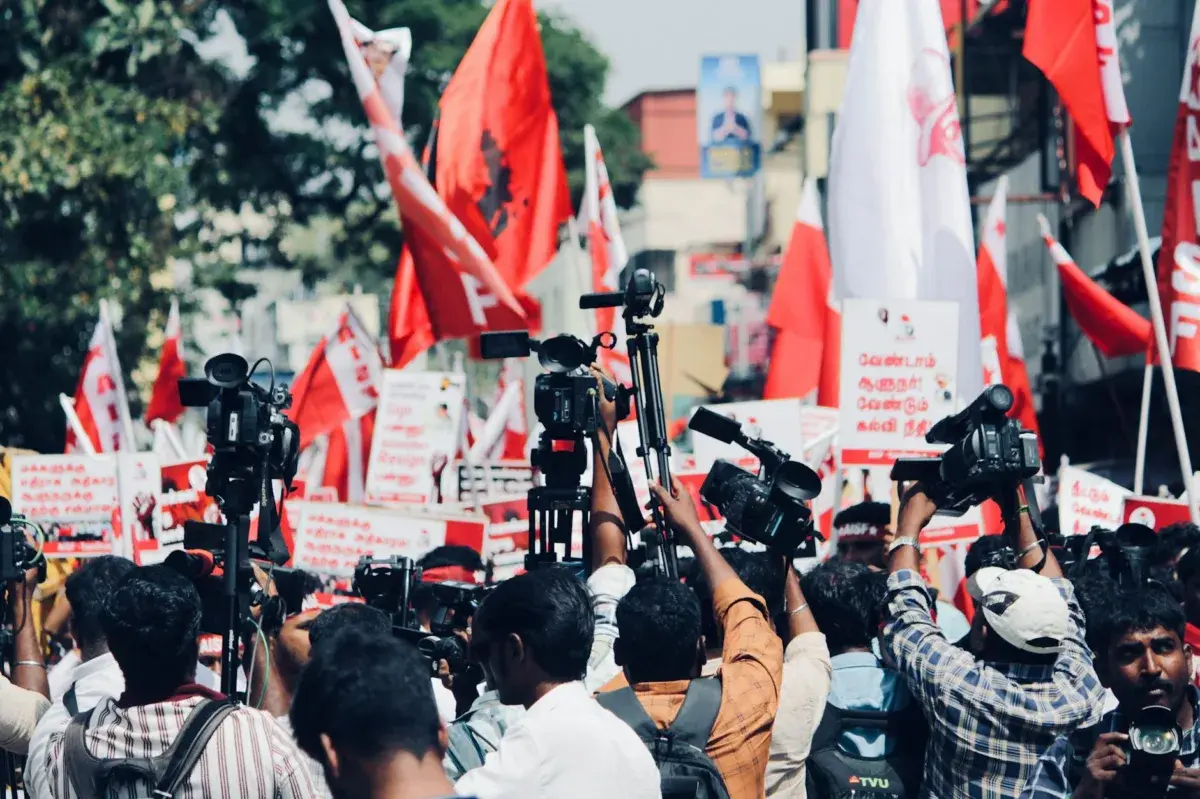
Vijay’s campaign focused heavily on public outreach and addressing grassroots issues, building on a legacy of celebrity-turned-politicians in the state. His initial actions as Chief Minister are seen as a strategic move to consolidate his political base and demonstrate immediate responsiveness to voter expectations. The sheer scale and public engagement at his political events have underscored a new method of connecting with the electorate, setting a distinct tone for his governance.
Core Assurances and Their Strategic Impact
The three flagship assurances—free electricity, robust women’s safety initiatives, and specialized anti-narcotic units—address critical areas of public concern. The promise of free electricity resonates deeply in a state where welfare schemes, particularly those alleviating household burdens, have historically played a pivotal role in electoral success. This move is designed to offer immediate economic relief to families, a strategy often employed to build widespread public goodwill and a direct continuation of a strong welfare tradition in Tamil Nadu.
Women’s safety has emerged as a paramount issue across India, and Vijay’s commitment to enhanced measures reflects a direct response to this societal demand. These initiatives are expected to include improved policing, better infrastructure for reporting crimes, and programs aimed at empowering women through public awareness campaigns and support systems. Similarly, the establishment of dedicated anti-narcotic units directly confronts the growing menace of drug abuse, a concern that has been escalating, particularly among the youth, in various parts of the country and requires a focused, proactive approach from law enforcement.
Challenges and Scrutiny Ahead
While these promises have been met with public anticipation, the path to implementation is not without potential hurdles. The financial implications of schemes like free electricity will undoubtedly come under scrutiny. Reports suggest that a “White Paper” from Vijay’s party could potentially be a “red flag” for his administration, possibly hinting at challenges related to the state’s economic health or the feasibility of funding ambitious welfare programs without impacting fiscal stability. This scrutiny will likely focus on state debt, revenue deficits, and sustainable funding sources.
Furthermore, the effectiveness of new units for women’s safety and anti-narcotics will depend on comprehensive planning, adequate resource allocation, and sustained political will. Merely announcing units is the first step; their operational efficiency and tangible impact on ground realities will determine their success and public trust. Overcoming bureaucratic inertia and ensuring transparent accountability will be crucial.
Leadership Style and Public Perception
The early days of CM Vijay’s administration are also shaping public perception of his leadership style. Actor R. Madhavan reportedly expressed admiration for a particular quality in Vijay as he assumed the Chief Minister’s role, calling it “testimony.” While the specific quality was not detailed, such endorsements from peers in the public eye often contribute to a positive image of decisiveness, dedication, or a clear vision. This blend of populist promises and an earnest approach to governance could define his initial term.
Political analysts note that the initial focus on welfare and law enforcement aligns with typical voter priorities in Tamil Nadu. However, general observations in Indian politics suggest that while populist schemes are popular, they require robust financial planning and administrative efficiency to avoid long-term fiscal strain. The challenge for CM Vijay will be to translate these assurances into concrete, sustainable improvements that withstand economic pressures and political opposition, leveraging his public appeal to drive policy implementation.
Looking Forward: What to Watch Next
As Chief Minister Vijay embarks on his term, the focus will shift from announcements to execution. Observers will closely monitor the detailed plans for implementing free electricity, the specific mechanisms for strengthening women’s safety, and the operational efficacy of the anti-narcotic units. The state’s economic health, particularly in light of any “White Paper” revelations regarding fiscal challenges, will be a critical factor in determining the sustainability of these welfare initiatives. The political landscape of Tamil Nadu is set for a dynamic period, with Vijay’s administration poised to redefine governance and public engagement in the state. Attention will also be paid to how his unique political style continues to evolve and whether it truly establishes a new “grammar” for regional politics.