








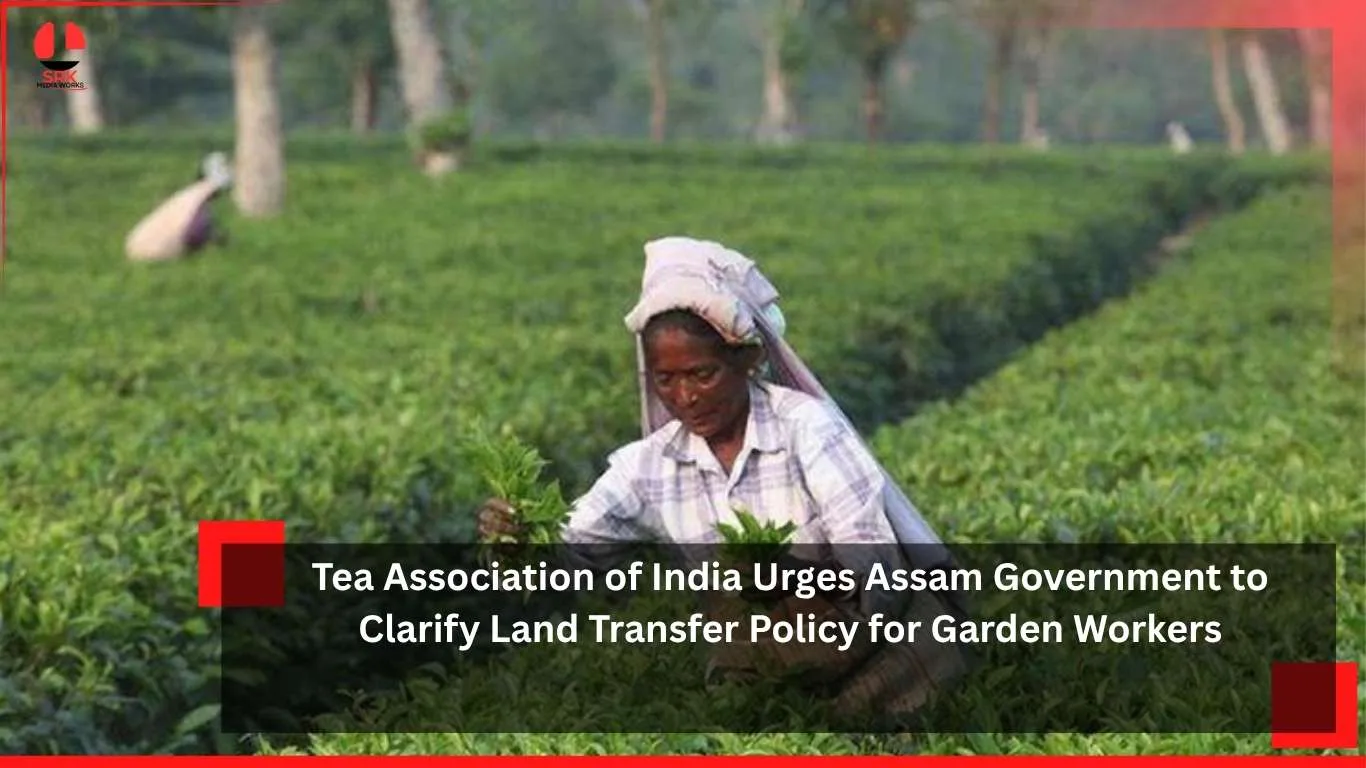
The Tea Association of India (TAI) has called upon the Assam government to provide clarity on its land transfer policy for tea garden workers. This demand comes amid growing concerns within the tea industry about the implications of land allocation and ownership rights for workers who have historically lived and worked in tea estates across the state.
Background of the Issue
Tea garden workers in Assam, many of whom belong to marginalized communities, have long lived on estate lands without formal ownership rights. The Assam government recently announced plans to transfer land titles to workers, aiming to improve their socio-economic conditions. However, ambiguity in the policy has raised questions among tea estate owners and industry stakeholders.
The Tea Association of India argues that while the welfare of workers is paramount, the government must ensure that land transfer policies do not disrupt the functioning of tea estates, which are vital to Assam’s economy and global tea exports.
Concerns Raised by the Tea Industry
- Operational Challenges: Estate owners fear that transferring land within tea gardens could affect plantation operations.
- Legal Ambiguity: Lack of clarity on the extent of land to be transferred has created uncertainty.
- Economic Impact: The tea industry contributes significantly to Assam’s GDP and exports; disruptions could have far-reaching consequences.
- Worker Welfare: While supportive of worker rights, the industry seeks a balanced approach that safeguards both livelihoods and business sustainability.
Government’s Position
The Assam government has emphasized its commitment to improving the living conditions of tea garden workers. Officials argue that land ownership will empower workers, provide security, and reduce poverty. However, detailed guidelines on implementation remain pending, prompting calls from the Tea Association for immediate clarification.
Comparative Analysis of Stakeholder Interests
| Stakeholder Group | Interest in Land Transfer | Concerns |
|---|---|---|
| Tea Garden Workers | Secure housing, ownership | Fear of losing employment stability |
| Estate Owners | Smooth operations | Disruption of plantations |
| Assam Government | Welfare and empowerment | Balancing industry concerns |
| Tea Association | Industry sustainability | Need for clear policy |
Pivot Analysis of Future Scenarios
| Scenario | Likelihood | Impact |
|---|---|---|
| Clear Policy Guidelines | High | Stabilizing effect |
| Ambiguity Continues | Moderate | Industry uncertainty |
| Worker Empowerment | High | Positive social impact |
| Industry Disruption | Moderate | Economic challenges |
Broader Implications
The debate over land transfer policy reflects the broader challenge of balancing worker welfare with industry sustainability. Assam’s tea industry employs millions and contributes significantly to India’s global tea exports. Any disruption could affect not only local livelihoods but also international trade.
Challenges Ahead
- Policy Clarity: The government must issue detailed guidelines to avoid confusion.
- Balancing Interests: Ensuring worker empowerment without undermining estate operations.
- Legal Framework: Establishing clear laws to prevent disputes.
- Economic Stability: Safeguarding Assam’s tea industry as a global leader.
Opportunities for Resolution
- Collaborative dialogue between government, workers, and estate owners.
- Transparent guidelines on land allocation.
- Joint initiatives to improve worker welfare without disrupting plantations.
- Long-term reforms to modernize the tea industry.
Conclusion
The Tea Association of India’s call for clarity on Assam’s land transfer policy highlights the delicate balance between worker welfare and industry sustainability. While empowering tea garden workers through land ownership is a progressive step, ambiguity in implementation could create challenges. Clear communication, collaborative policymaking, and a balanced approach are essential to ensure that both workers and the tea industry thrive.
Disclaimer
This article is based on public reports and statements regarding the Tea Association of India’s request to the Assam government. No official policy details have been fully confirmed at the time of writing. The content is intended for informational and analytical purposes only, not as verified fact. Readers are encouraged to follow official updates for accurate information.