








As the monsoon season brings cooler temperatures to urban centers this week, apartment dwellers and homeowners are increasingly turning their balconies and terraces into private sanctuaries. With rising costs of living, a growing trend of low-cost, DIY-focused terrace gardening has emerged, allowing residents to cultivate green spaces using recycled materials and affordable lighting solutions without the need for expensive professional landscaping.
The Rise of Sustainable Urban Gardening
The push for terrace gardening is fueled by a desire for improved mental well-being and the need to maximize small living footprints in densely populated cities. According to data from the National Gardening Association, interest in container gardening and balcony-based horticulture has grown by approximately 15% over the last two years, as individuals seek cost-effective ways to connect with nature.
Creative Upcycling and Low-Cost Decor
The current trend prioritizes upcycling, transforming everyday household waste into functional garden elements. Residents are repurposing tin food cans as vertical planters, often applying non-toxic spray paint to create a cohesive aesthetic, while discarded glass bottles are being repurposed as ambient lighting fixtures by placing candles inside to illuminate terrace corners at night.
Lighting remains a central component of these small-scale transformations. By utilizing budget-friendly fairy lights wrapped around balcony railings or window frames, homeowners can extend the usability of their outdoor space into the evening hours. Similarly, the use of handmade paper lanterns, often crafted through origami techniques using affordable kite paper, adds texture and color to outdoor walls without requiring significant investment.
Expert Perspectives on Spatial Efficiency
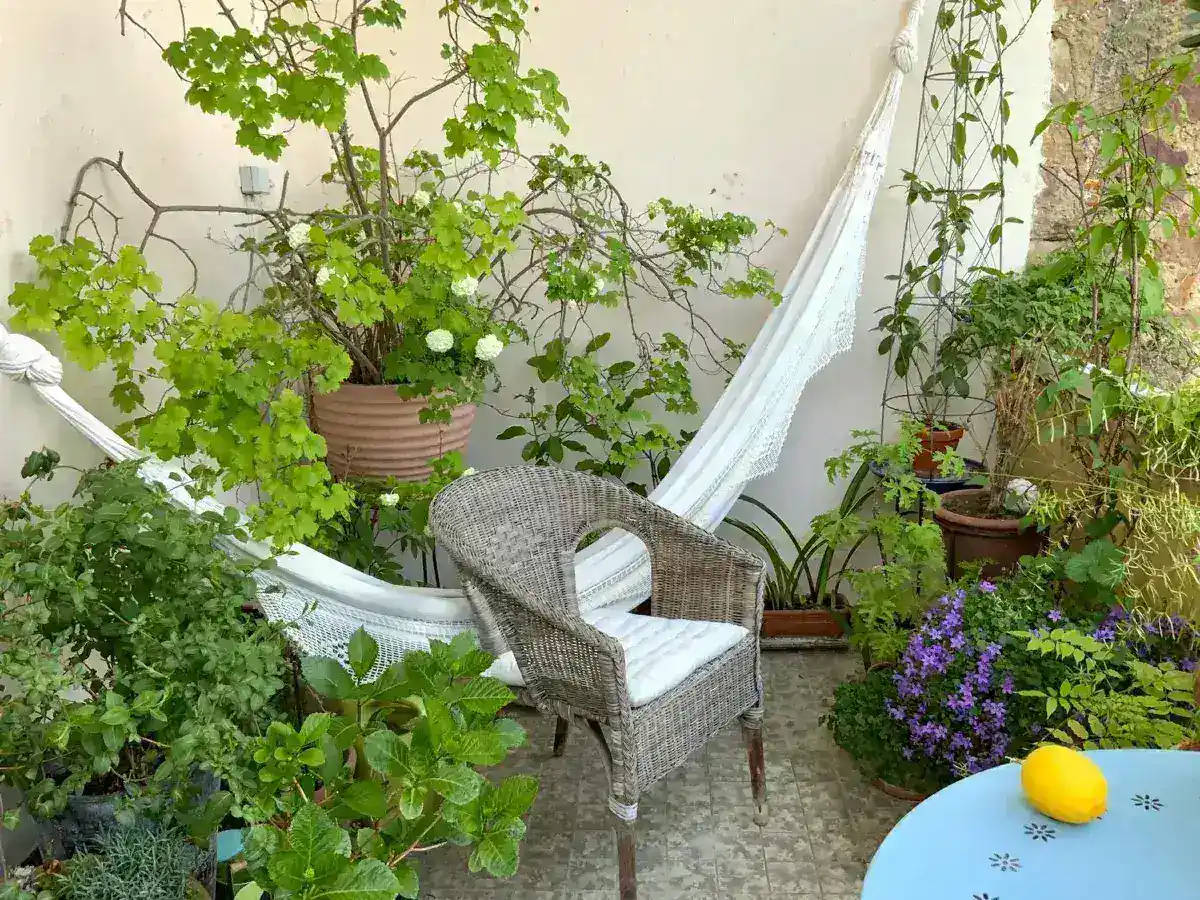
Landscape designers note that the most successful terrace gardens prioritize a ‘cosy corner’ approach rather than attempting to fill every inch of available space. By utilizing existing household items like spare mattresses and weather-resistant cushions, residents can create a functional relaxation zone that encourages daily use of the terrace.
Dr. Aris Thorne, an urban planner, observes that these modular setups are highly effective for modern apartments. ‘The shift toward flexible, low-cost decor allows people to adapt their outdoor space to the changing seasons,’ Thorne states. ‘By moving away from heavy, permanent furniture, residents maintain the agility to rearrange their space for better airflow and plant health during the humid monsoon months.’
Future Implications for Urban Living
As these DIY trends gain momentum, the market for modular, sustainable gardening supplies is expected to expand. Homeowners should look for upcoming developments in weather-resistant, recycled textiles and low-energy solar lighting solutions that further reduce the maintenance requirements for terrace gardens. The continued emphasis on personalizing small spaces suggests that balcony gardening will remain a fixture of urban design as city residents continue to prioritize accessibility and sustainability in their home improvements.