









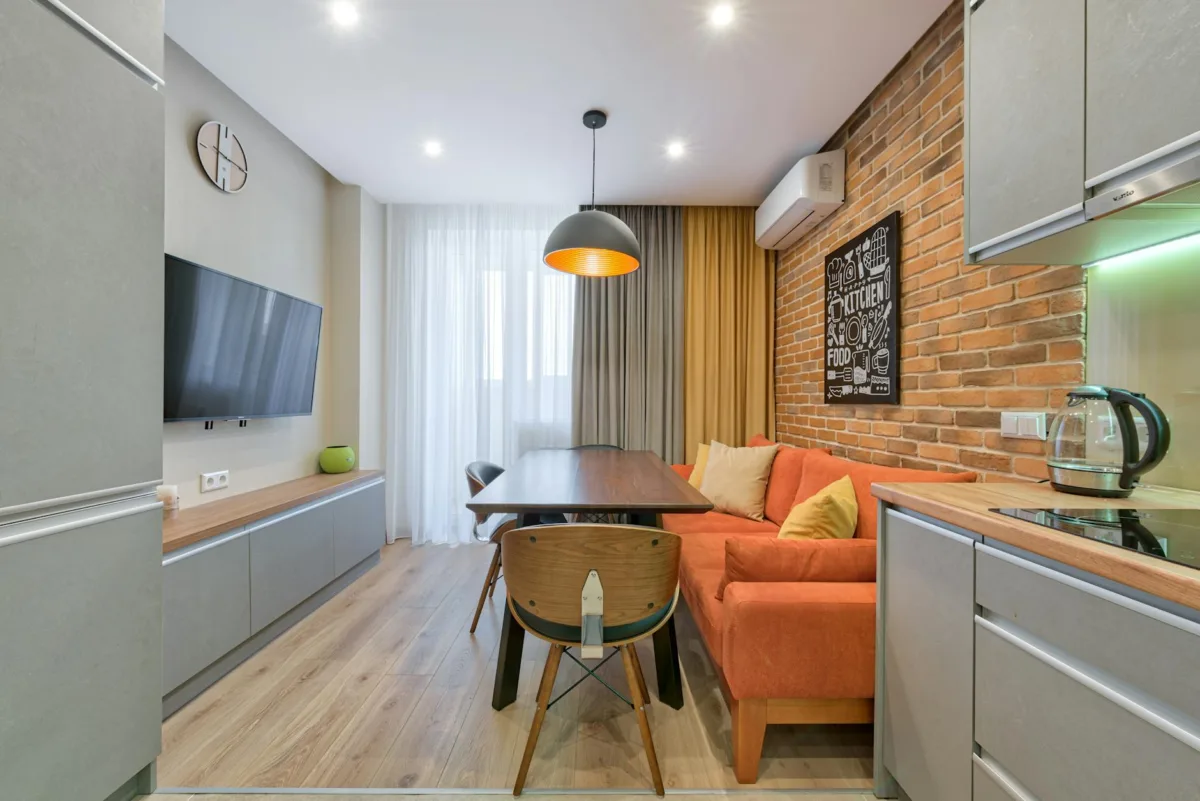
As urban populations continue to surge globally in 2024, residents in major metropolitan hubs are increasingly struggling to balance limited square footage with aesthetic functionality. Interior design experts and architects are now advocating for a shift in how inhabitants utilize their living environments, emphasizing that strategic furniture selection, precise color palettes, and optimized lighting can significantly expand the perception of space in compact apartments.
The Evolution of Space-Conscious Design
The modern trend of micro-living is a direct response to rising real estate costs and the densification of city centers. As living areas shrink, the traditional approach to furnishing a home has become obsolete, necessitating a move toward multi-functional and visually lightweight design solutions.
Furniture Strategies for Compact Living
Design professionals suggest that the key to creating a sense of openness lies in minimizing visual weight. Shagufta Anurag, co-founder of Livspace, recommends prioritizing furniture that serves multiple functions or can be easily tucked away when not in use.
“To make any room spacious, think about your furniture differently,” Anurag notes. She suggests replacing bulky, stationary items with folding chairs, wall-mounted bedside shelves, and rolling tables to keep floor space clear and adaptable.
The Role of Textiles and Visual Texture
Managing visual clutter is essential for preventing a small apartment from feeling claustrophobic. Sonia Mohindra, director of UOR Design, advises against aggressive patterns that can overwhelm a small room.
“Curtains and drapes should be of a single color with a textured weave or self-design,” Mohindra explains. She suggests using neutral-toned sheer layers to maximize natural light, while keeping accessories like cushions and rugs to a minimal, monochromatic palette to maintain a clean, organized aesthetic.
Harnessing Light and Color
Color choice acts as the foundation for spatial perception, with lighter hues serving to reflect light rather than absorb it. Sidhant Lamba, owner of Strot, emphasizes that neutral colors like white, cream, and off-white are the most effective tools for widening the appearance of a room.
Lighting technology also plays a critical role in this transformation. Experts recommend utilizing daylight-spectrum LED bulbs, which mimic natural illumination, paired with light-reflective wall surfaces to create an airy, expansive atmosphere.
Future Implications for Urban Dwellers
Looking ahead, the industry expects a rise in demand for “smart” furniture—pieces that integrate technology with modular storage capabilities. As remote work remains a staple for many, the next design frontier will focus on the “hybrid room,” where living spaces must seamlessly transition between professional offices and personal sanctuaries without sacrificing comfort or square footage.