








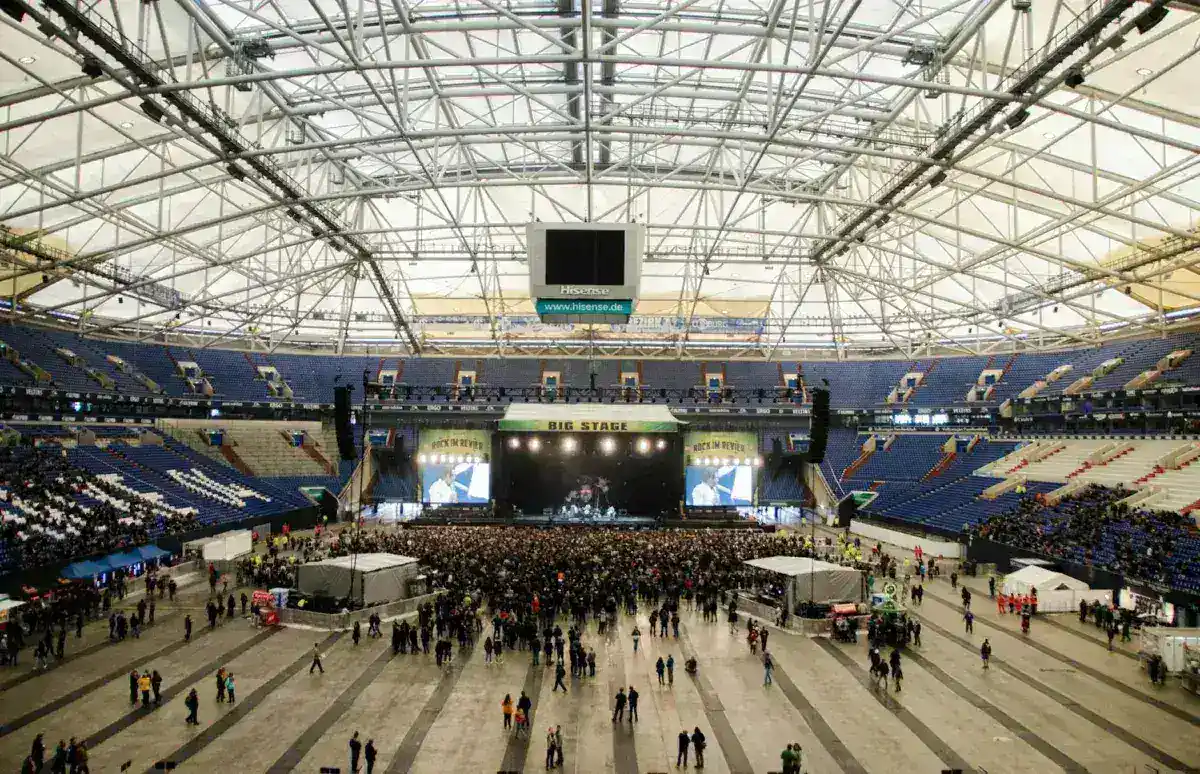
Global music icons Madonna, Shakira, and the South Korean supergroup BTS have been confirmed as the official headliners for the 2026 FIFA World Cup final halftime show, set to take place in North America. This historic collaboration marks the first time such a diverse lineup of international superstars will share the stage for the tournament’s climactic finale, aiming to bridge cultural divides through a unified musical performance.
A Legacy of World Cup Performances
The World Cup halftime show has long served as a prestigious platform for global artists to showcase their talents to a record-breaking television audience. Shakira, a veteran of the tournament, previously captivated fans with her performances in 2006, 2010, and 2014, cementing her status as a staple of football culture.
Madonna, known for her record-breaking Super Bowl halftime performance, brings decades of pop dominance to the stage. Meanwhile, the inclusion of BTS represents a strategic shift for FIFA, acknowledging the massive, digital-native influence of K-pop in reaching younger, global demographics.
Market Impact and Cultural Unity
The announcement has already sent ripples through the financial markets, with shares of HYBE, the agency representing BTS, jumping 7.2% following the confirmation. Investors and industry analysts suggest that this surge reflects the immense commercial power of the group and the anticipated global reach of the broadcast.
Beyond the financial implications, the artists have emphasized the symbolic importance of the event. In a joint statement, members of BTS described music as a universal language, expressing their commitment to using the platform to deliver a message of hope and unity to a fractured global audience.
The Evolution of Sports Entertainment
The decision to curate a multi-genre lineup underscores a broader industry trend toward maximizing engagement through diverse cultural representation. By combining established pop legends with modern streaming powerhouses, FIFA aims to ensure that the halftime show appeals to a multi-generational viewership.
Data from previous major sporting events suggests that such high-profile musical collaborations consistently lead to a spike in social media engagement and streaming numbers. For the 2026 tournament, organizers are banking on this synergy to set a new benchmark for live event production.
Implications for the Industry
The convergence of these specific artists signals a shift in how sporting bodies package entertainment as a core component of the match-day experience. As the industry moves toward more collaborative, cross-genre performances, the focus will likely remain on leveraging global fan bases to maximize broadcast accessibility.
Industry observers should monitor how this performance influences future broadcasting rights and sponsorship deals, as the intersection of music and sports continues to become more lucrative. Looking ahead, the success of this production could dictate the standard for international sporting entertainment for the remainder of the decade.