





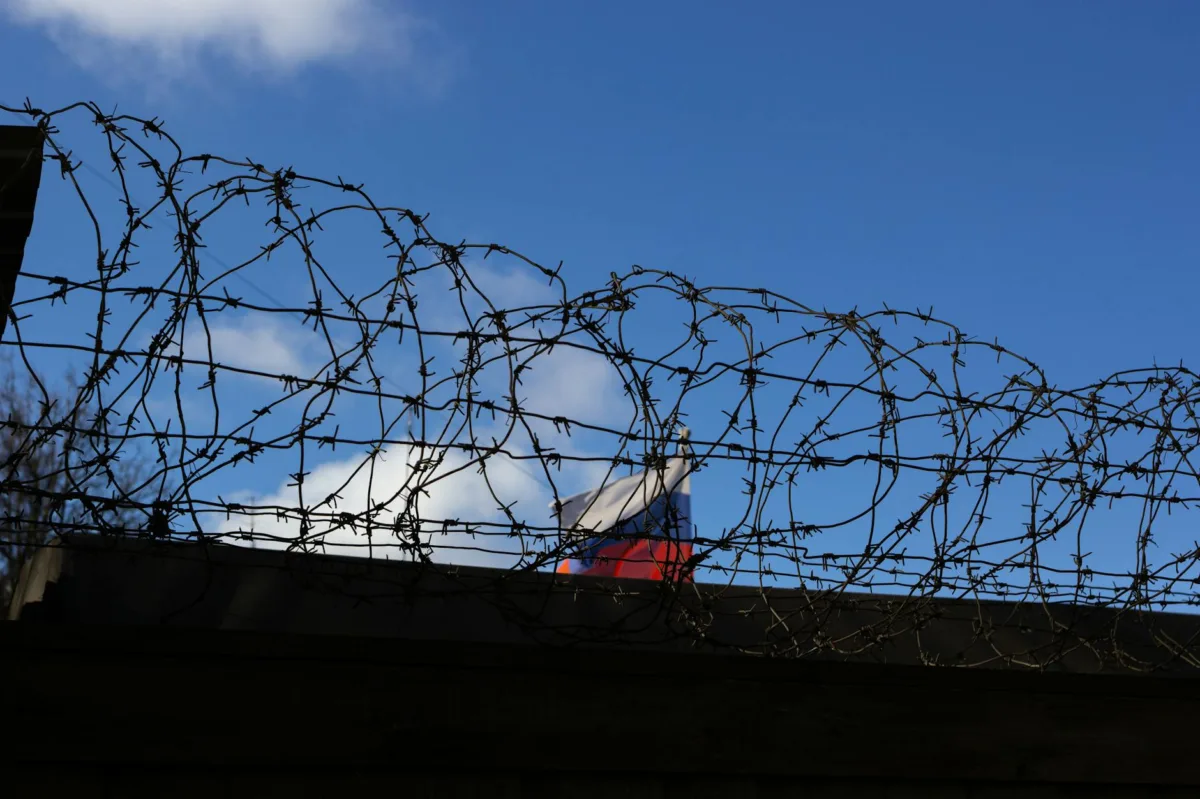
Eighteen Bangladeshi immigrants escaped from a government-run detention center in the Sepahijala district of Tripura, India, early Wednesday morning, prompting a massive security manhunt across the border region. Local police confirmed the breach occurred at the Matinagar detention facility, where authorities have launched an intensive search operation involving state police and border security forces to locate the individuals who fled under the cover of darkness.
Background on Regional Detention Protocols
The Matinagar facility serves as a temporary holding center for foreign nationals apprehended while attempting to cross the India-Bangladesh border illegally. These detention centers are designed to house migrants pending legal processing, deportation hearings, or identity verification by their respective home countries.
Tripura shares a porous 856-kilometer border with Bangladesh, much of which remains challenging to monitor due to the rugged terrain and dense vegetation. Over the past year, Indian border authorities have reported an increase in unauthorized crossings, citing economic instability and political volatility in neighboring regions as primary drivers for the migration surge.
Details of the Security Breach
Initial investigations suggest the escapees exploited a gap in the facility’s perimeter security during the early hours of Wednesday. Officials are currently reviewing CCTV footage and questioning the security personnel on duty at the time of the incident to determine if the escape involved internal negligence or a sophisticated coordinated effort.
The Tripura police have set up multiple checkpoints along major arterial roads and transit hubs leading away from the border. Senior officials have confirmed that neighboring districts have been placed on high alert, with photographs of the escapees distributed to local law enforcement agencies and community leaders.
Expert Perspectives on Border Management
Security analysts point to the incident as a significant challenge for existing border management infrastructure. Dr. Arindam Roy, a regional security expert, notes that while physical barriers are essential, the efficacy of detention centers relies heavily on human surveillance and intelligence gathering.
“The escape exposes systemic vulnerabilities in how we manage temporary detention centers near high-traffic border zones,” Dr. Roy stated. “When facilities become overcrowded or under-resourced, the risk of security lapses increases exponentially, necessitating a shift toward more robust, technology-driven monitoring systems.”
Implications for Future Enforcement
This incident is expected to trigger a comprehensive audit of all detention facilities across Tripura. The state government is under pressure to enhance perimeter security and increase the frequency of headcount protocols to prevent future breaches.
Observers should watch for upcoming policy shifts regarding the treatment of detainees and potential upgrades to surveillance technology at border facilities. Furthermore, the event may influence ongoing diplomatic discussions between India and Bangladesh regarding bilateral security cooperation and the expedited repatriation of apprehended migrants.