









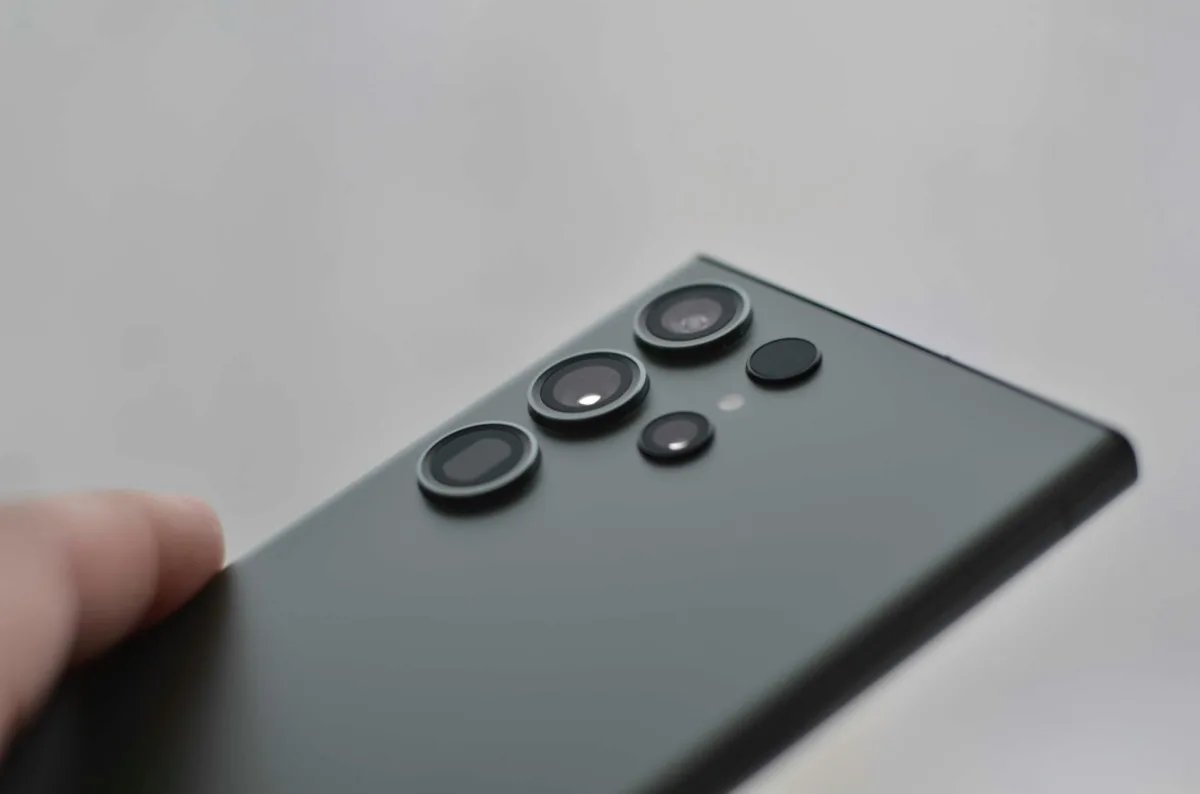
The Evolution of the Xperia Flagship
Sony officially launched its latest flagship smartphone, the Xperia 1 VIII, this week across global markets, introducing a redesigned chassis, the Snapdragon 8 Elite chipset, and a triple 48MP camera array. While the hardware specifications signal a high-end leap for the company, the inclusion of a new ‘AI Camera Assistant’ has ignited a firestorm of criticism among photography enthusiasts and tech reviewers alike. The tool, designed to automate complex photographic settings, represents a controversial shift in Sony’s philosophy toward mobile imaging.
The Context of Computational Photography
For years, Sony positioned the Xperia line as the ‘camera for professionals,’ eschewing the heavy-handed computational processing favored by competitors like Google and Samsung. By offering granular manual controls and a ‘pro’ interface, Sony catered to users who preferred raw, authentic images over algorithmic enhancements. The introduction of an AI-driven assistant marks a significant departure from this heritage, signaling that even the most purist-focused hardware manufacturers are bowing to the industry-wide trend of AI-assisted photography.
Analyzing the AI Camera Assistant
Early reviews from outlets such as GSMArena and 9to5Google suggest that the AI Camera Assistant frequently over-processes images, leading to unnatural color saturation and aggressive noise reduction that strips away fine detail. Critics argue that the assistant often overrides the user’s manual inputs, effectively neutering the very features that made the Xperia series unique. Despite the hardware upgrade—which features significantly larger camera sensors—the software layer appears to be creating a disconnect between the sensor’s raw potential and the final output.
Expert Perspectives on Industry Trends
Data from recent industry reports indicate that mobile consumers increasingly demand ‘point-and-shoot’ perfection regardless of lighting conditions. Manufacturers are responding by embedding neural processing units (NPUs) deeper into the camera pipeline to stabilize shots and balance dynamic range in real-time. However, analysts at Moneycontrol point out that Sony’s attempt to bridge the gap between pro-grade hardware and consumer-friendly AI may be alienating its core user base without fully capturing the mainstream market that already prefers the established ecosystems of Apple or Google.
Industry Implications and Future Outlook
The reception of the Xperia 1 VIII suggests a growing tension between hardware fidelity and software convenience. If Sony continues to prioritize automated AI features that diminish the quality of raw captures, the brand risks losing its distinct identity in a crowded smartphone market. Industry observers are now watching closely to see if Sony will issue firmware updates to allow users to disable or customize the AI assistant’s intervention. Whether this trend represents a permanent pivot for the Xperia line or a temporary misstep in software implementation remains the defining question for the brand’s future.