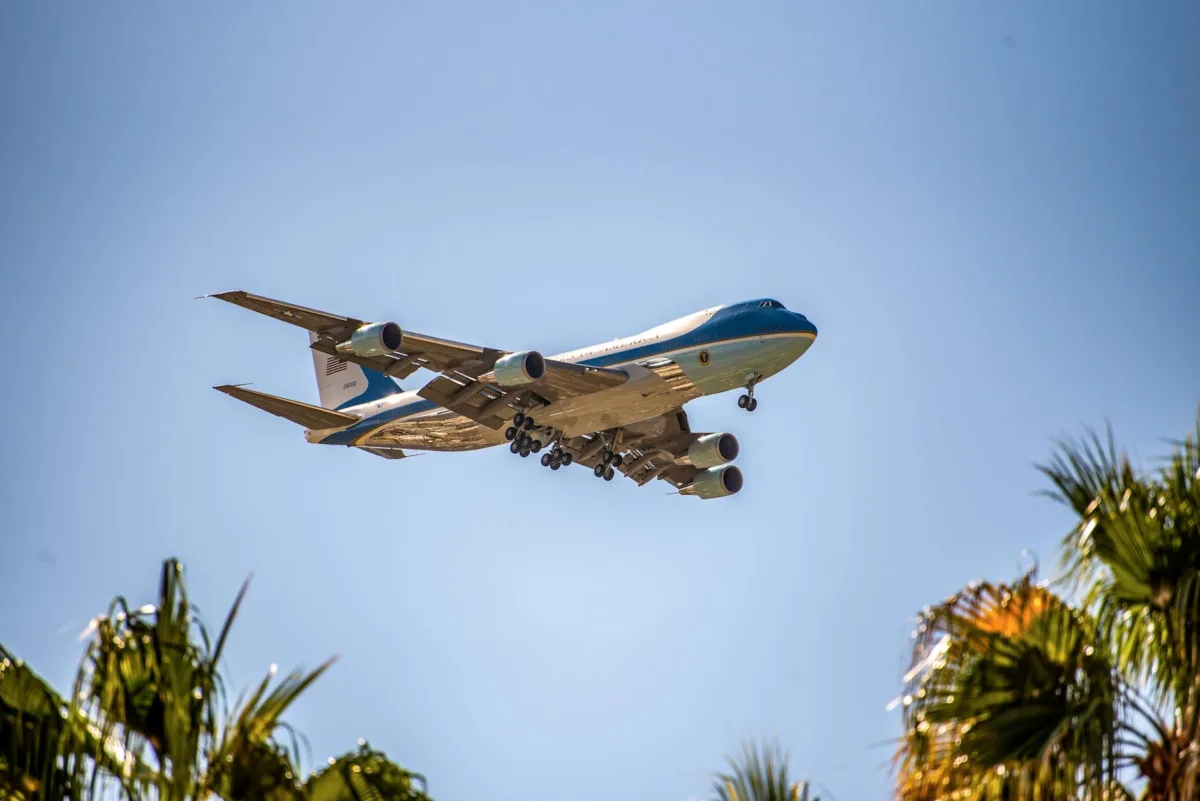










A Strategic Coalition in Beijing
An influential delegation of American business leaders, including Nvidia CEO Jensen Huang, Tesla’s Elon Musk, and Apple’s Tim Cook, joined President Donald Trump in Beijing this week for high-level diplomatic talks with Chinese President Xi Jinping. The summit, which convened amidst shifting global trade policies, aims to address critical friction points in US-China relations, specifically regarding semiconductor exports, manufacturing supply chains, and market access for American technology firms.
Contextualizing the Economic Diplomacy
The presence of these corporate titans underscores the deep integration between the world’s two largest economies, despite recent geopolitical tensions. Historically, US presidents have frequently utilized business delegations to stabilize bilateral relations, leveraging the economic influence of private industry to facilitate dialogue where traditional diplomacy has stalled. This current mission arrives at a pivotal moment, as the global tech sector navigates complex export controls and a tightening regulatory environment in both Washington and Beijing.
The Stakes for Global Industry
For the executives involved, the stakes are exceptionally high given their significant reliance on Chinese manufacturing and consumer markets. Nvidia, currently a leader in the global artificial intelligence chip market, faces ongoing scrutiny regarding its export capabilities to Chinese partners. Similarly, Apple maintains a vast production footprint within China, while Tesla’s Gigafactory Shanghai remains a cornerstone of the automaker’s global production strategy.
Expert Perspectives and Data
Analysts note that the combined net worth of the delegation is staggering, with some estimates suggesting the group’s collective assets rival the GDP of the world’s third-largest economy. Critics, however, have raised concerns regarding the lack of diversity within the delegation, with various observers labeling the group as exclusionary and heavily skewed toward male-dominated industries. Data from international trade monitors suggests that while these face-to-face meetings provide a forum for negotiation, they do not guarantee immediate policy shifts, as both nations remain entrenched in long-term strategic competition.
Industry Implications and Future Outlook
The primary implication of this summit is the potential for a ‘de-risking’ strategy that balances national security concerns with the necessity of trade cooperation. For investors and industry stakeholders, the primary focus will now shift to whether these discussions lead to tangible regulatory easing or if they merely serve as a symbolic gesture of engagement. Observers should monitor subsequent announcements regarding specific semiconductor export licenses and manufacturing subsidies, as these will serve as the true indicators of progress following the Beijing talks.