









Deep Roots in Geological Time
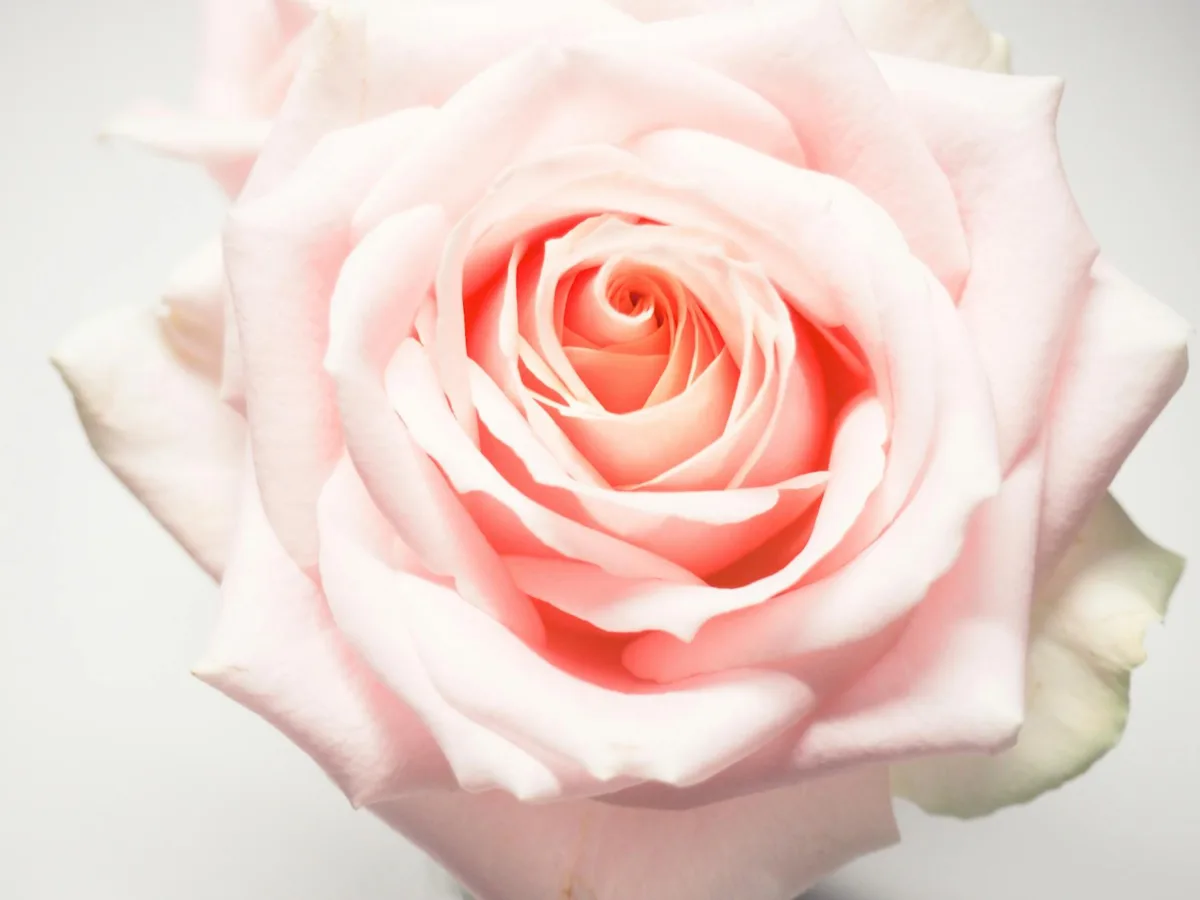
Botanists and historians have confirmed that the rose, a flower synonymous with romance and passion, boasts a biological lineage spanning approximately 35 million years. Fossil evidence places the origin of this genus in the distant past, long before human civilization began assigning symbolic weight to its petals.
Symbolism and Mythological Significance
The rose has long served as a vessel for human emotion, becoming sacred to ancient deities including Isis, Aphrodite, and Venus. Greek mythology suggests the flower was birthed from the tears of Aphrodite and the blood of her fallen lover, Adonis, establishing an enduring connection between the bloom and the concept of sacrificial love.
Beyond its mythological roots, the flower gained political and social weight throughout history. Cleopatra famously utilized the scent of roses to create an olfactory association with her presence, ensuring that Marc Antony would remember her through the fragrance of petals scattered in her quarters. Later, in the 19th century, Empress Josephine of France turned the Chateau de Malmaison into a horticultural epicenter, commissioning Pierre Joseph Redoute to create Les Roses, a collection still revered as a masterpiece of botanical illustration.
The Secret Language of Flowers
The cultural footprint of the rose extends into the realm of diplomacy and privacy. In ancient Rome, placing a wild rose on the door of a room signaled that the discussion within was confidential. This practice gave rise to the Latin phrase sub rosa, or “under the rose,” which remains a common idiom for maintaining secrecy today.
Modern Innovations and Botanical Marvels
While the rose remains a fixture of tradition, the industry has seen significant scientific evolution. In 2006, breeder David Austin introduced the “Juliet” rose, a cultivar that required 15 years and an investment of approximately $5 million to develop, officially crowning it the world’s most expensive rose.
Scientific inquiry has even pushed the flower beyond Earth’s atmosphere. In 2002, the “Overnight Scentsation” miniature rose was sent into space to analyze how low gravity affects floral fragrance. The data gathered from this mission continues to inform the development of consumer fragrances and essential oils.
Implications for the Future
The resilience of the rose is best exemplified by the 1,000-year-old bush currently thriving on the walls of the Hildesheim Cathedral in Germany. This botanical longevity highlights the plant’s remarkable ability to adapt to changing environments over millennia.
As researchers continue to study the rose hip—a fruit noted for its high concentration of Vitamin C—the industry is shifting its focus toward the medicinal and nutritional applications of the plant. Moving forward, observers should watch for advancements in bio-engineering that aim to preserve the iconic fragrance and aesthetic of the rose while increasing its hardiness against climate-driven agricultural shifts.