






Budget Impasse Extends into Seventh Week
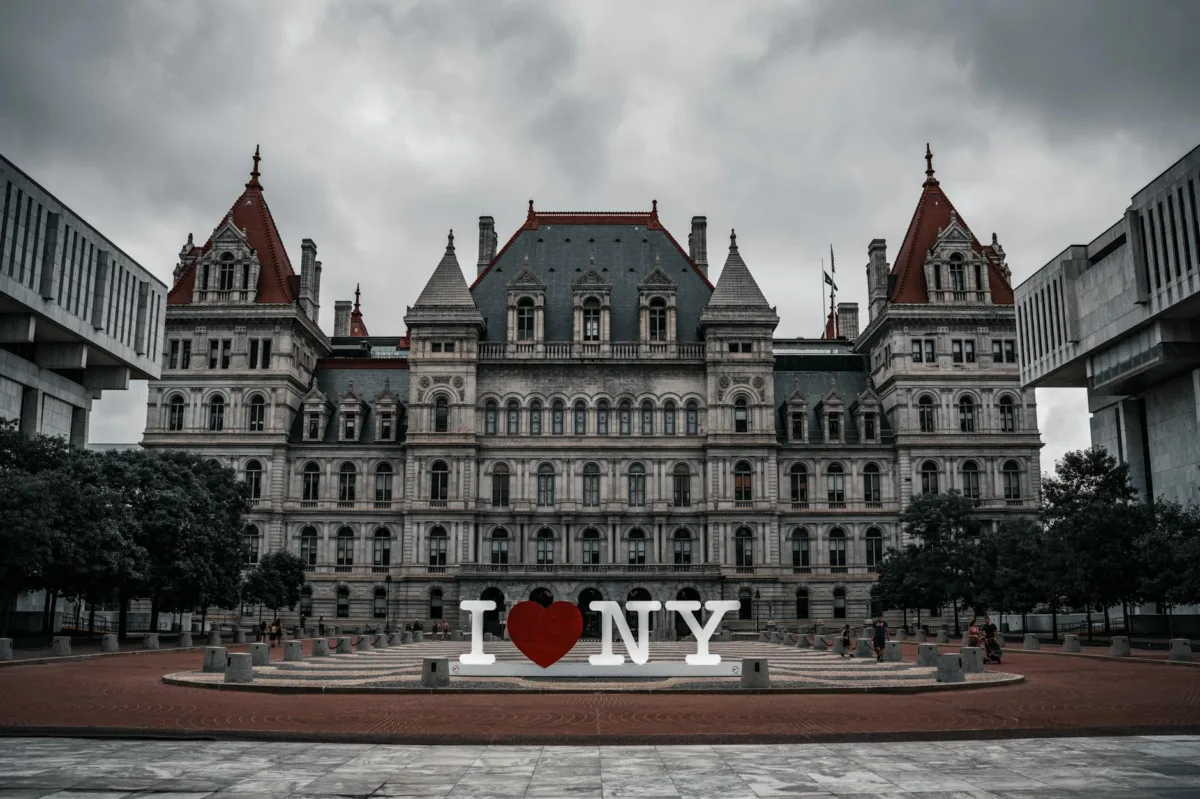
New York State government officials in Albany are currently operating 41 days past the mandated March 31 deadline for the state budget, as Governor Kathy Hochul and legislative leaders continue to navigate complex, closed-door negotiations. While a general agreement on a $268 billion spending plan has been announced, the lack of printed budget bills and finalized policy details continues to delay the legislative process for the state’s 19 million residents.
Contextual Challenges in the Capital
The current fiscal negotiation is defined by a series of high-stakes policy decisions that remain unresolved. Key areas of contention include the specific structure of a proposed surcharge on high-value secondary homes, adjustments to public education funding formulas, and significant reforms to the Tier 6 pension system. Without these details finalized, the state remains in a period of fiscal limbo, forcing local municipalities and school districts to wait for clarity on incoming aid.
Detailed Policy Hurdles
A primary focus of the ongoing talks is the financial stability of New York City. Governor Hochul and Mayor Zohran Mamdani are coordinating to address a persistent $5.4 billion budget gap in the city, with discussions centering on foundation aid adjustments and pension amortization legislation. Hochul recently characterized the collaboration with the mayor as positive, though the operational specifics of this aid remain pending.
Meanwhile, the proposed “pied-à-terre” tax on non-primary residences valued at $5 million or more faces scrutiny over its implementation. Lawmakers are debating the assessment methodology, which will dictate the tax’s scope and total revenue yield. Simultaneously, the overhaul of the Tier 6 pension category is being scaled back; a “skinny” version currently under consideration aims to lower the retirement age for teachers to 58 after 30 years of service, at an estimated cost of $500 million—a significant reduction from the initial $1.5 billion proposal from the New York State AFL-CIO.
Expert Perspectives and Public Safety
Beyond fiscal policy, the administration is managing emerging public health and social issues. State Health Commissioner James McDonald has confirmed that three New Yorkers are currently under observation following exposure to a hantavirus outbreak on a cruise ship. While Governor Hochul has mobilized state resources to prepare for potential risks, she emphasized that the state is coordinating closely with the CDC to prevent a larger spread. These logistical preparations underscore the administration’s dual focus on managing routine legislative duties and unexpected public health crises.
Implications for Future Governance
The delay in finalizing the budget serves as a barometer for the broader political climate in Albany, where ideological divides often complicate administrative efficiency. As negotiations continue, observers are closely watching the resolution of protest buffer zone legislation and the impact of the final budget on the state’s long-term tax-and-spend strategy. The coming weeks will be critical as the state moves from general agreement to legislative action, with the final print of the budget bills expected to set the fiscal trajectory for the remainder of the year.